Magazines sit at the history of the Australian newsagency channel. However, the distribution of product has changed, the position of magazines has shifted.
Last week, I surveyed newsagents across the country to understand their experiences with delivery, costs, and customer satisfaction. The results highlight a clear need for structural change.
High Dissatisfaction with Current Services
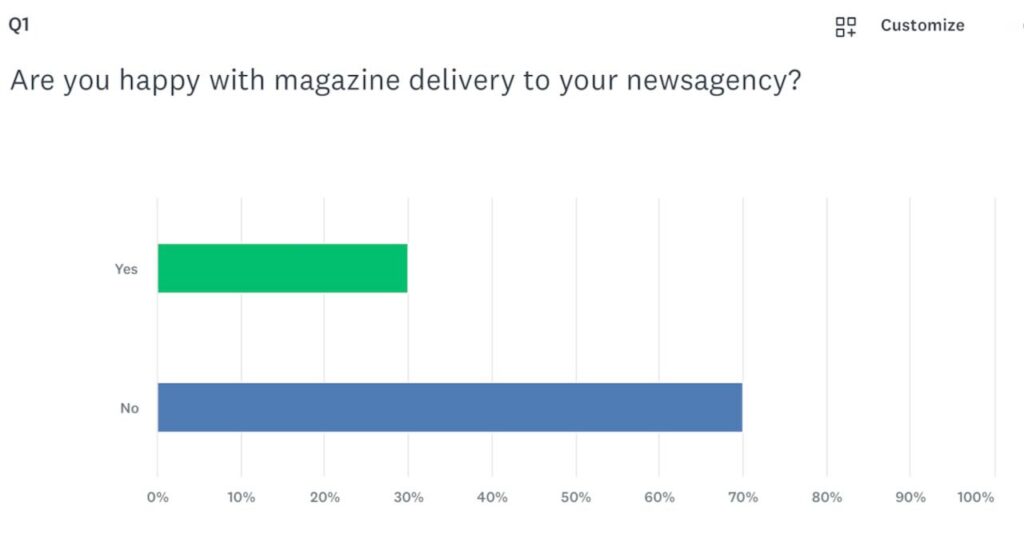
A primary finding of the survey is the level of unhappiness among newsagents. 70% of respondents stated they are not happy with the current magazine delivery to their newsagencies. This represents a significant majority of the industry.
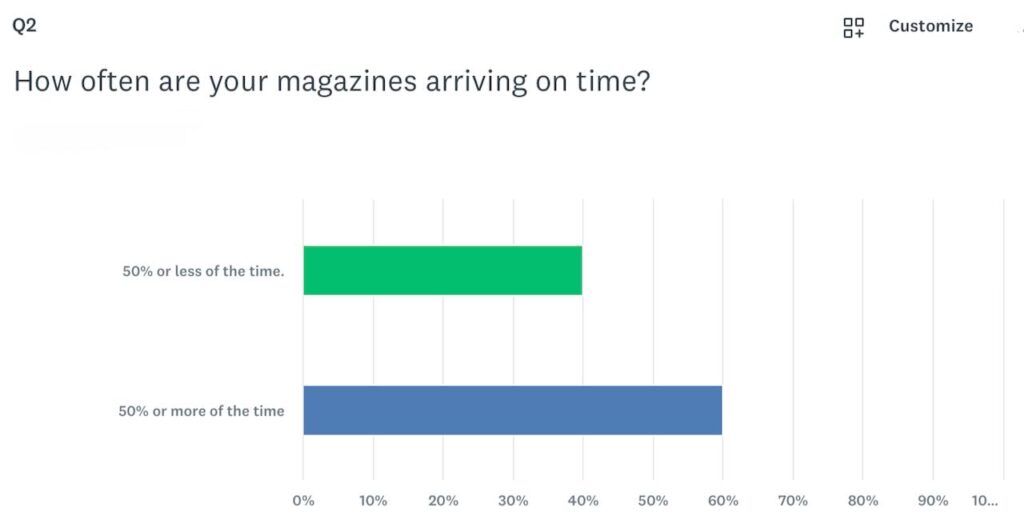
Reliability appears to be a major factor in this sentiment. While 60% of newsagents report that magazines arrive on time more than half of the time, a substantial 40% see on-time deliveries less than 50% of the time. In a retail environment that relies on specific release dates, this inconsistency is difficult to manage.
The Real Cost of Delays
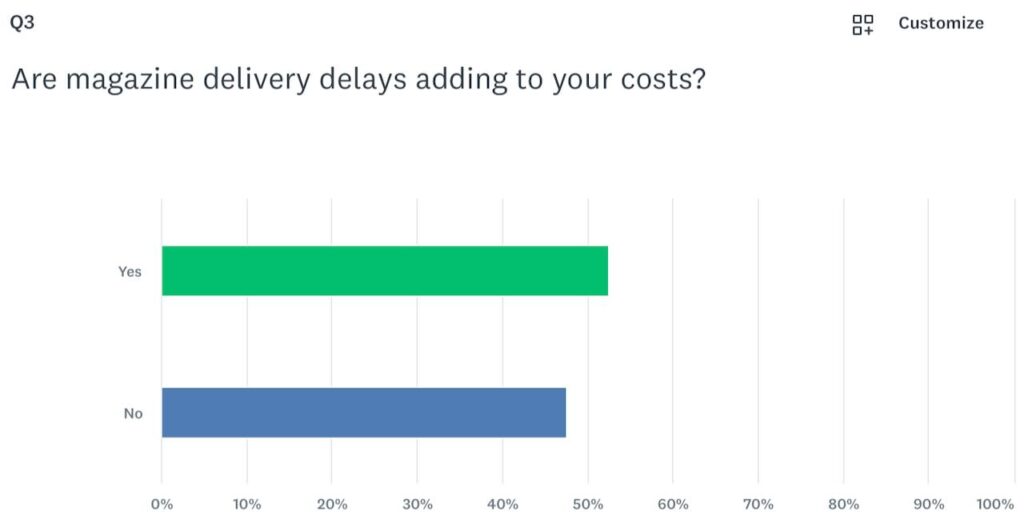
The impact of these logistical issues extends beyond simple frustration. It is affecting the financial health of local businesses. Over 50% of newsagents reported that delivery delays are directly adding to their operating costs.
These costs often manifest as:
-
Extra staff time spent reconciling late invoices.
-
Increased administrative work.
-
Lost sales opportunities when stock is not on shelves for the weekend trade.
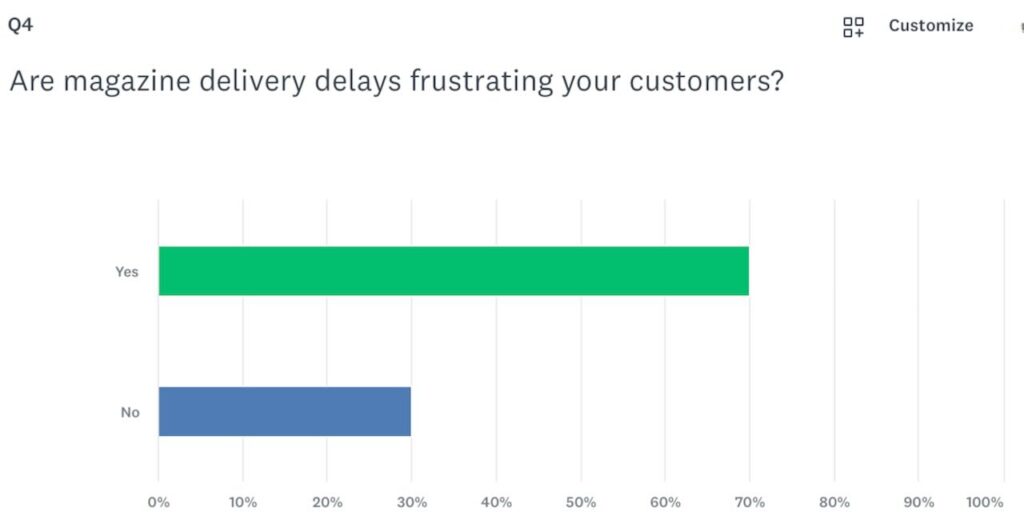
Furthermore, the “customer experience” is suffering. 70% of newsagents believe that delivery delays are actively frustrating their customers. When a loyal shopper visits a store for a specific title and finds it missing, it damages the reputation of the newsagency.
A Vision for the Future
The survey asked newsagents what they would change if they could influence distribution. The answers point toward a desire for more autonomy and modern trading practices.
The most popular solution, supported by over 60% of respondents, is for newsagents to have control over the magazines they carry. Currently, many feel burdened by titles that do not suit their local demographic.
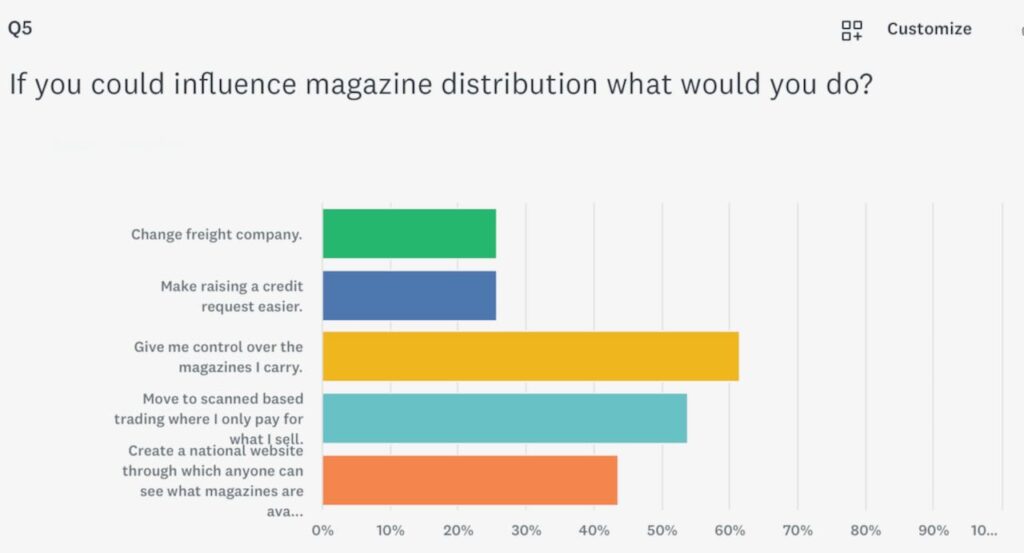
Other key suggestions include:
-
Scan-Based Trading: 54% support moving to a model where they only pay for what they sell.
-
Better Visibility: 44% want a national website to see real-time magazine availability.
-
Operational Ease: Many cited the need for easier credit request processes and more reliable freight partners.
Summary
The message from the newsagents is clear. The current “push” model of magazine distribution is creating unnecessary costs and customer friction. Newsagents need a more flexible, transparent, and efficient system that respects the local expertise of the retailer.
I understand there are complexities in the distribution of print media, including cover price suppression, which impacts the availability of margin to fund efficiencies in the supply model.
Something has to change. There’s been too much talk for too many years with little beneficial action for newsagents, and their customers.
Now, an important footnote
I have no agenda here other than service of and for newsagents and newsagency businesses, including my own shop.
This magazine category, from which we make 25% gross profit from sales, sits at the core of so many businesses unprofitably. It’s why I say something has to change. For example, I think if I had control over supply for my shop I could grow sales. Next, if I could achieve a higher GP from a reasonable cover price I’d be less inclined to reduce magazine floorspace.
Publishers, distributors, logistics companies and newsagents are all in this together. It feels to me like local small business newsagents are carrying a heavier burden.
…
Mark Fletcher founded newsagency software company Tower Systems and is the CEO of newsXpress, a marketing group serving innovative newsagents who continuously evolve their businesses to be enjoyable, relevant and successful. You can reach him on mark@newsxpress.com.au or 0418 321 338.
These are interesting results. We’re only a small player with a small voice. It’s clear from our side of the table that the distribution of titles is dominated by the big publishers and we are there to fill up trucks yet it is titles like ours that are actually growing.
Calls for greater control and efficiencies from newsagents to publishers and distributors have largely fallen on deaf ears for the 27 years I have been in the industry.
The opportunity for change is getting progressively smaller as newsagents embrace opportunities that provide both margin and control, and unless publishers and distributors embrace radical changes they have a finite lifespan in newsagencies.
They won’t listen they never have. I am glad though that this issue is aired here with the survey as it validates how I feel.
Yep, I get it: magazine publishers don’t care about us, Are Direct runs off business processes that are decades out of date, that don’t serve us, that disadvantage us compared to our biggest competitors in the magazine space.
This survey, however, offers up evidence to anyone in the publishing and distribution businesses who wonder about our side of things.
Sure we can complain, this is, in a small way, an attempt to do something more useful than complaining and, for sure, in my own business, I’m focussed on net new traffic drivers and overall gross profit builders.