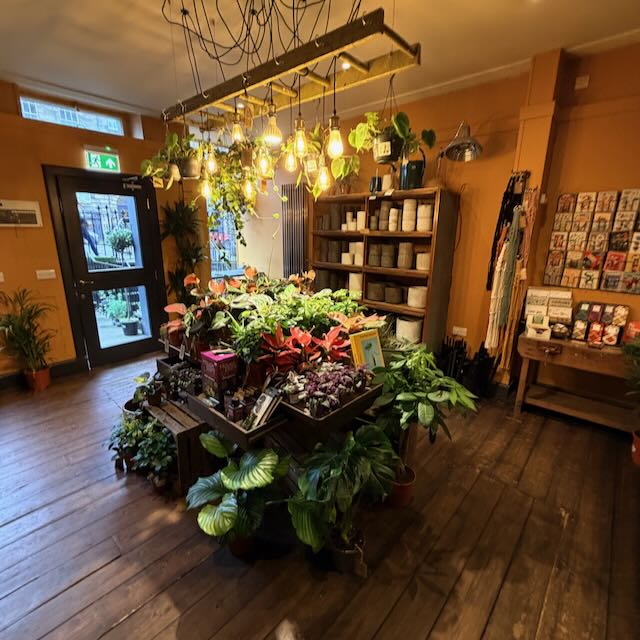
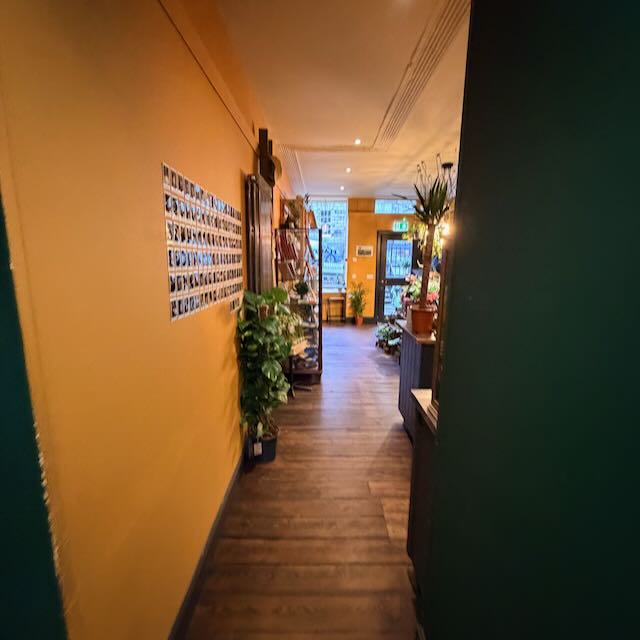
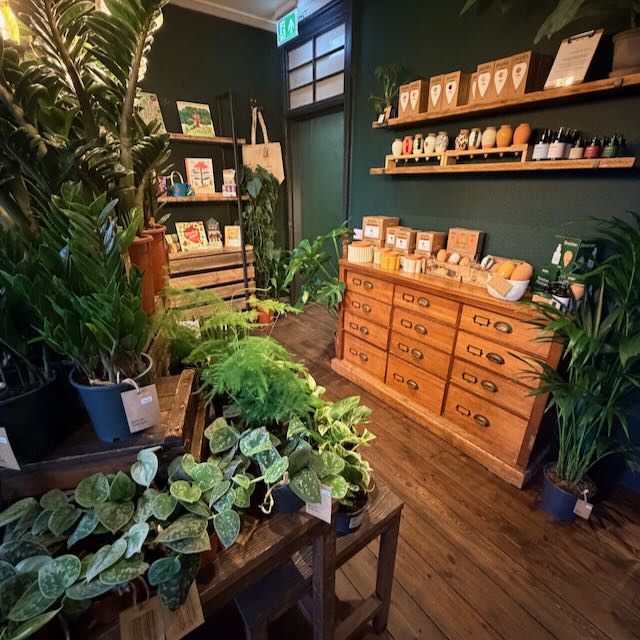
High street or shopping centre? It’s the ultimate retail fork in the road. On one hand, you have the “all-inclusive” nature of a mall—expensive and restrictive, but with a guaranteed audience. On the other, the high street offers total freedom, but leaves you at the mercy of the weather and your own marketing chops. There is no right answer, only the answer that fits your personality. If you value autonomy over amenities, the choice is simple. If you value certainty over control, the path looks very different. This post is advice on navigating the nuances of both.
Choosing between a bustling shopping mall and a traditional high street isn’t just a real estate decision; it’s a lifestyle one. While one offers the polished convenience of air conditioning and built-in foot traffic, the other offers the raw freedom of being your own master. Having sat on both sides of the lease, I’ve learned that the ‘better’ location doesn’t exist on a map—it exists in your own management style.
To find that fit, we first need to be on the same page regarding the landscape. Let’s clear terminology up before we start. To me, a shop on the high street, main street or a strip shop are all the same. These different terms are used in different states and countries; they all represent a shop that’s not in a shopping mall or shopping centre of any kind.
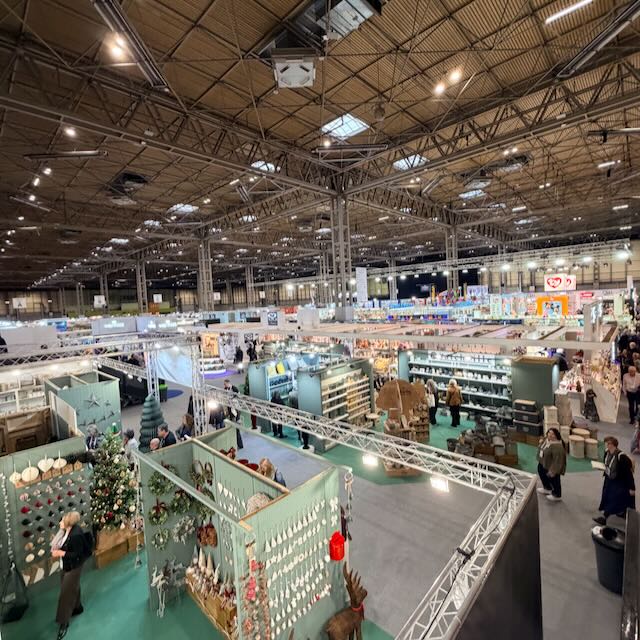
Now, in terms of a shopping centre setting, I appreciate that these can vary from centres with, say, 20 shops through to centres with hundreds of shops. For ease, I’ll consider these as all the same, as the challenges are similar enough.
One can make a case for both situations: high street or mall. Determining which is better is subjective, based on what you want, need and expect at that point in time.
However, before weighing up the physical dirt and bricks, we have to acknowledge the digital elephant in the room: Online. The importance of your physical location is inversely tied to your digital success. If your online store provides the lion’s share of your revenue, say, more than half, the convenience of your ‘front door’ for in-store shoppers matters significantly less. In that case, your shop acts more as a showroom or a brand billboard than a primary engine for sales.
But for those whose heart and soul (and bank account) rely on people walking through the door, the choice between high street and shopping centre remains critical.
Let’s look at the shopping centre setting first. In a shopping centre, you have a landlord, who has control over the appeal and marketing of the centre, and who determines the rules relating to the centre and each shop in it. They manage the walkway space in the centre, including leasing this for short-term use, and are responsible for the overall amenities of the centre in terms of the shopper experience.
A shopping centre can be appealing to a retailer because someone else is responsible for attracting shoppers; tough work for any retailer. However, it’s one thing to bring people to a shopping centre and another one entirely to get them into your shop.
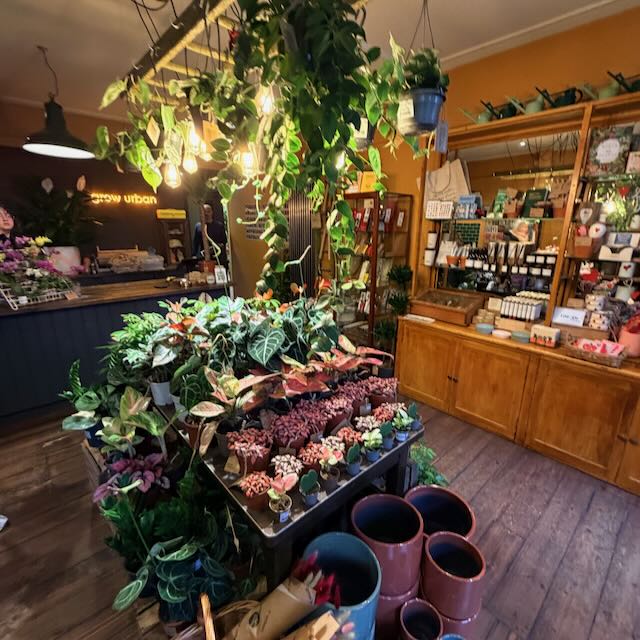
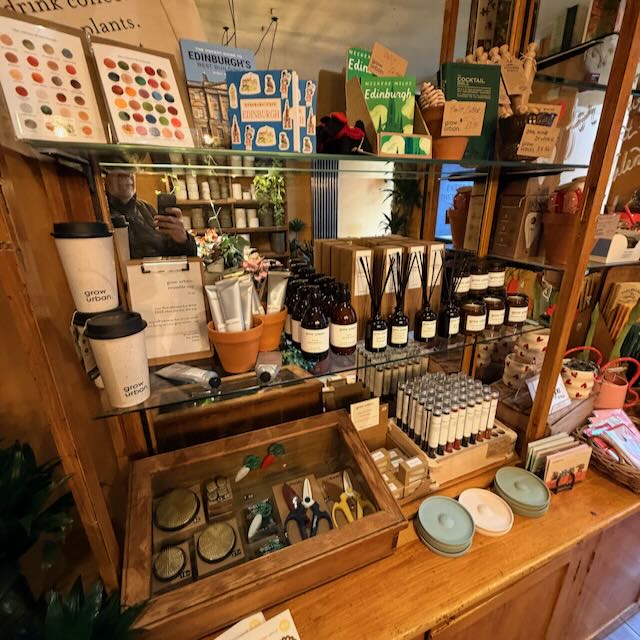
Shopping centres do usually offer appealing amenities, such as parking, being indoors, air conditioning, easy access to a variety of shops and easy browsing.
Renting space in a shopping centre can be expensive. The space itself is often priced at a premium. Then, there are additional costs, such as cleaning and marketing, regardless of whether you directly use or benefit from them. There is often a higher cost, too, for physical works because centre landlords tend to require service providers they approve.
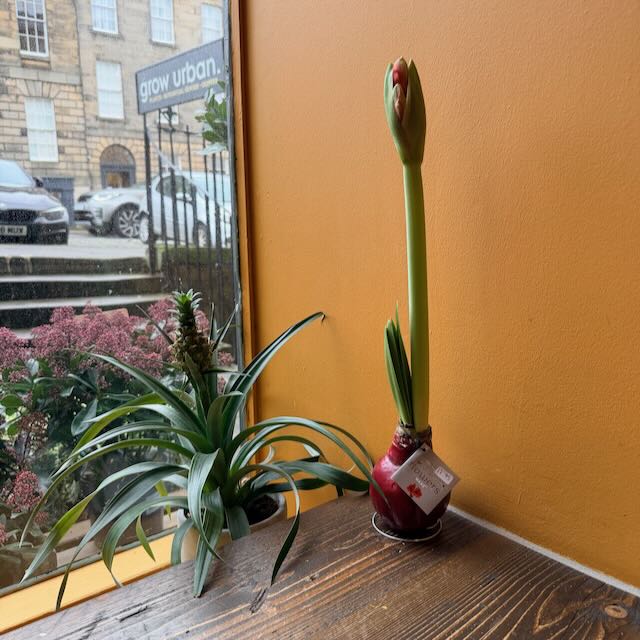
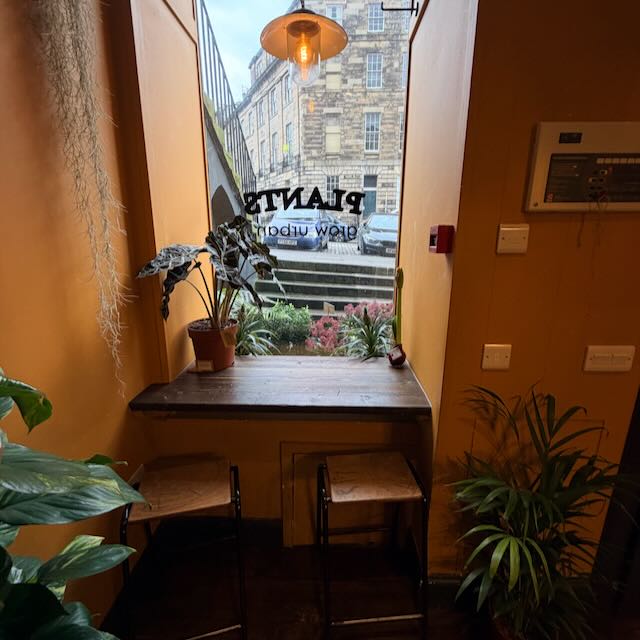
On the high street, the appeal of freedom has to be countered with challenges such as access to parking, cleanliness of the area around the shop, no restrictions on the businesses located near your shop and being at the mercy of weather that may impact shopper enjoyment.
In the high street setting, more is up to you. This includes being noticed and attracting shoppers, and practical issues such as dealing with large deliveries where there is no delivery dock.
The decision about the location you prefer must come from an honest and thorough review of what you want from your business, how you want to manage the business, and what you’re like as a person.
This is a decision about you.
For example, if you crave freedom, a high street will be better than a shopping centre. However, if you want the certainty of passing traffic and the centre you’re considering has good traffic-attracting businesses, being in a centre may be more appropriate.
My point is that there is no black and white here. It really does come down to what you want, what appeals to you.
Personally, having had shops in shopping centres and in main street settings, my preference as I write this is the main street. I prefer the freedom. I feel more in control of my business.
Ultimately, there is no “correct” choice on paper, there is only the choice that aligns with your personality as an operator.
While shopping centres offer a structured, high-traffic ecosystem, they require you to play by someone else’s rules.
The high street offers a blank canvas and total autonomy, but you have to be willing to sweep your own pavement and shout louder to be heard. I’ve operated in both, and for me, the freedom of the main street wins every time.
Before you sign a lease, ask yourself: do you want the security of a managed crowd, or the independence of a wide-open door? The answer to that question will tell you exactly where your business belongs.
…
Mark Fletcher founded newsagency software company Tower Systems and is the CEO of newsXpress, a marketing group serving innovative newsagents who continuously evolve their businesses to be enjoyable, relevant and successful. You can reach him on mark@newsxpress.com.au or 0418 321 338.