A blog on issues affecting Australia's newsagents, media and small business generally. More ...

The future of your newsagency is in your hands: it’s time to transform

The world of retail is constantly evolving, and for newsagencies, the pace of change can feel relentless. Traditional revenue streams are shrinking, and it’s easy to feel like you’re fighting a losing battle. But I’m here to tell you that there’s a vibrant and profitable future for the Australian newsagency – it just might not look like the one you’re used to.

In a recent industry presentation, I broke down the current state of our industry and, more importantly, the incredible opportunities that are waiting for those who are willing to adapt and innovate.

But first, the reality we’re facing

Let’s not sugarcoat it. We’re seeing some challenging trends in the traditional pillars of the newsagency business. In 2025, we’re looking at:

  • Magazine unit sales are down by around 9% year-on-year.
  • Newspaper sales have dropped by 11%.
  • Stationery revenue has seen a 3% decline.
  • Tobacco and convenience candy sales are “pretty much dead.”
  • Parcel service revenue is flatlining or declining.

These numbers paint a stark picture, but they don’t tell the whole story. While these areas are in decline, others are experiencing phenomenal growth.

Where the growth is: a path to a thriving newsagency business

The key to a successful future is to shift your focus to where the customers are. And right now, they’re looking for products that cater to their passions and hobbies. Here’s where we’re seeing significant growth:

  • Toys: Up by 15% year-on-year.
  • Cards: A solid 8% growth.
  • Games: An impressive 18% increase.
  • Jigsaws: A resurgence in popularity with a 10% rise.
  • Plush Toys: Another strong performer at 15% growth.
  • Gifts: A healthy 9% increase.

The demand is out there. Consider the millions of online searches each month in Australia for terms like “Pokémon,” “Minecraft,” “Lego,” “Barbie,” and “Hot Wheels.” These aren’t just fads; they represent passionate communities of consumers eager to spend.

From agent to retailer: a fundamental shift in mindset

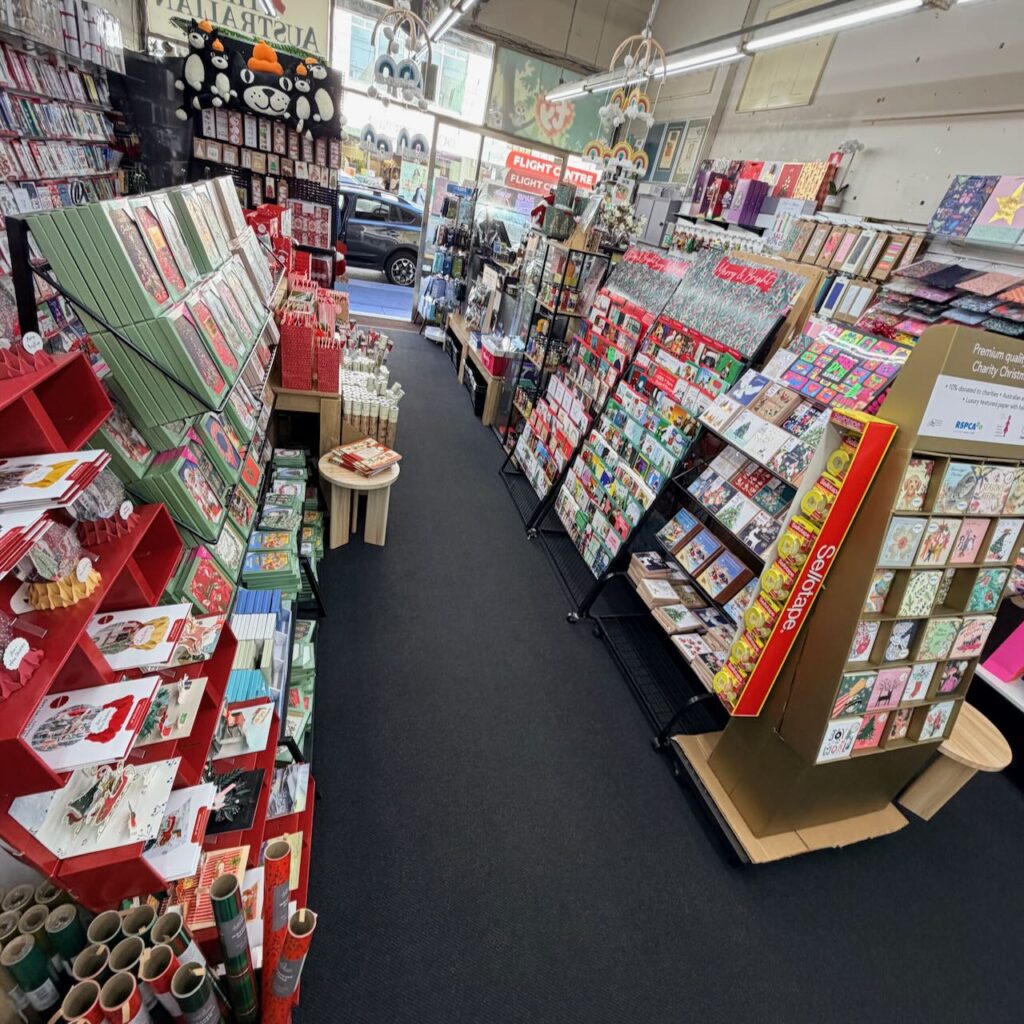
For too long, we’ve operated as “agents” for suppliers. It’s time to reclaim our role as “retailers.” This means taking control of our stores, curating our product selection, and creating an experience that draws customers in.

Experimentation is key. You don’t have to overhaul your entire store overnight. Start small. Dedicate a small “experimental fund” to bring in new and unexpected products. You might be surprised at what resonates with your customers. I’ve seen newsagencies have success with everything from high-end giftware and coffee to books, homewares, and even niche categories like haberdashery and sensory products.

Transforming your space and engaging your customers

Think about the environment of your store. Is it a welcoming and exciting place to be? Or is it cluttered and stagnant?

  • Declutter: Get rid of dead stock. Anything that hasn’t sold in the last six months is taking up valuable space and tying up your cash.
  • Change your displays: Keep your store fresh and interesting by regularly changing your displays. Don’t be afraid to get creative with your fixtures.
  • Engage with your customers: A simple, friendly welcome can make all the difference. Create a space where people want to spend time, not just make a quick transaction.

Know your numbers and take control

Ultimately, the success of your business comes down to financial accountability. You need to be looking at your profit and loss statements regularly, not just once a year when you see your accountant. If your business isn’t making money, you need to be the one to drive the change.

The future is bright

The Australian newsagency is not dead. It’s evolving. By embracing change, focusing on growth categories, and taking control of your business, you can build a profitable and sustainable future.

If you want your business to change, you have to change. Let’s make every day our payday.


Mark Fletcher founded newsagency software company Tower Systems and is the CEO of newsXpress, a marketing group serving innovative newsagents keen to evolve their businesses for a bright future. You can reach him on mark@newsxpress.com.au or 0418 321 338.
13 likes
newsagency of the future

How long should you hold stock for in your retail business?

How long should you hold stock for in your retail business? Someone once said never let a stock item have a birthday in your shop.

The total cost of holding inventory is a combination of direct holding costs (like storage space and labor) and the opportunity cost of the capital that was used to purchase the stock.

Imagine you have $10,000.

  • You can either buy $10,000 worth of stock (inventory).
  • Or you can put that $10,000 into a savings account that earns 5% interest ($500 per year).

If you choose to buy the stock, you give up the chance to earn that $500 in interest. That forgone $500 is the opportunity cost. It’s separate from the money you then have to spend on a warehouse shelf (holding cost) to store your new stock.

If your $10,000 in inventory is not generating at least a good interest result, you’re behind.

1. Identify and Categorise: Use your POS software  to run a Stock Aging Report. This is your most important tool. It will show you exactly which items haven’t sold in 30, 60, 90, 180, or 365+ days.

2. Create a Markdown Cadence: Don’t wait for the birthday! Create a store policy for taking action. For example:

  • 60 Days (No Sale): Review product placement. Is it visible? Is it merchandised well?
  • 90 Days (No Sale): First markdown. A small discount (e.g., 15-20%) to encourage a sale and start recouping capital.
  • 120 Days (No Sale): Second, more aggressive markdown (e.g., 30-40%). Move the item to a dedicated clearance section.
  • 180 Days (No Sale): This item is officially “dead stock.” The goal is now liquidation, not profit. Bundle it with a popular product, reduce it to cost, or even sell it at a loss.

Why sell at a loss? Because the $20 you get back from a $50 cost item is $20 of fresh capital you can reinvest in a new product that will sell. Keeping the dead item on the shelf gives you a return of $0 and continues to incur holding costs.

3. Learn and Prevent: After you clear the dead stock, analyse it. Why didn’t it sell?

  • Was the price wrong?
  • Was it a poor product choice?
  • Did you buy too many?
  • Was it a seasonal item you bought too late?

Use this data to make smarter buying decisions in the future.

I see too many retail business owners ignoring the age of stock, allowing dead stock items to take up space on the shelves, not providing a return for the business. This is poor retail management.

7 likes
Newsagency management

Innovative local retail

Every year I get to travel with retailers from newsXpress to look at innovative and inspiring local independent retail. This video explores two shops in Edinburgh, Scotland. Each offers products that would easily work in local Aussie newsagencies and each pitches their products in ways we could.

.

Local independent retail is vital for local towns. Newsagents are these businesses – if we innovate and offer appealing shops to visit.

Newsagents who operate traditional businesses focussed primarily on lotteries, magazines, papers and cards are not the innovative businesses to which I refer here. No, innovative newsagents are those selling products outside what is usual for our channel, products people talk to others about, products people will travel an hour to two to buy.

Innovative newsagency businesses are those offering experiences in-store that are fresh, enjoyable and memorable.

A pathway to running these types of businesses is to look at what others are doing. These overseas retail study trips are key to that. Often, it is the shops you discover along the way that are truly inspiring, the shops from which we learn the most.

Translating what we see overseas to the Australian context is not about copying these shops item for item. It’s about adopting their strategic mindset. It’s about having the courage to reduce your reliance on low-margin traditional products to make space for something new and exciting. It’s about identifying a passion, whether it’s puzzles, games, crafting, or local gourmet foods, and committing to being the best local source for it.

This transformation requires a shift from being a passive stockist of goods to an active curator of a collection. It involves visual merchandising that inspires, staff training that empowers your team to be passionate advocates for the products, and a marketing approach that highlights your unique offerings.

For those who can’t make the trips, we create videos like this one with snippets of inspiration. Often, for those interested, this is followed-up by one-on-one discussion as to what can be done to improve the business in ways we see happening in some amazing local indie retail overseas.

These conversations are where the inspiration from a video can be forged into a practical, actionable plan tailored to your specific location, your customer base, and your personal interests. We can explore how to source new products, how to manage inventory for niche categories, and how to use your shop’s physical layout to create a more engaging and profitable experience. The journey from a traditional newsagency to an innovative retail destination is a significant one, but it is a journey that secures not only the future of your business but also reinforces its vital role as a cornerstone of your local community.

I hope the video is interesting and useful for you.


Mark Fletcher founded newsagency software company Tower Systems and is the CEO of newsXpress, a marketing group serving innovative newsagents keen to evolve their businesses for a bright future. You can reach him on mark@newsxpress.com.au or 0418 321 338.
5 likes
newsagency of the future

Journalists need to do better when reporting on retail performance

What is it with news outlets today? A shop closes and they run a story about doom and gloom for retail relying on what the owner of the shop closing has said. reading the articles, journalists appear to do little journalism.

Of course someone closing their business will tell you their side of the story. Of course it will have a bias.

A search on line this morning brought up six stories in recent months of newsagencies closing. Often, headlines scream gloom.

“Supermarket delivery trucks and road closures” Newsagency closing doors amidst dire retail landscape

The stories offer little evidence to support their claims. Let’s take a look at the state of retail today, the state of newsagencies. before I look at a good sample size of the channel in my next post on this topic, I want to look at my own shop. It’s in a high street setting. It doesn’t have lotteries. I have owned it now for three years.

In the three months to yesterday:

  • Total revenue (excluding online): up 15%.
  • Average sale value: up 30%.
  • Cards: up 11%.
  • Collectibles: up 1,350% (off a low base).
  • Gift: up 118% (off a modest base).
  • Magazines: down 3% (off annual $400K in sales)
  • Newspapers: down 5%.
  • Plush: up 252% (off a good base).
  • Stationery: down 35% (we are reconfiguring our offer).
  • Toys: even.

This business is run on a frugal budget with a tight roster, no capex and no external marketing.

When I bought it, the business was a traditional newsagency with an element of convenience retail. Today, the focus is on smart gifting with a skew to pop culture.

The single most valuable move in the first year was to switch out the card company that had been in control for more than a decade. The positive impact on card sales and profitability was immediate.

What we are doing in this business is something I see replicated in many newsagencies around Australia. It is certainly not unique.

Journalists should look at this and consider this and similar evidence before writing about retail being in a dire situation or that newsagencies are declining because print media is declining.

We make our own success in local small business retail. People have money and they are spending. This may not be the same cohort that spent with you last year, but they are there. Our job as retailers to find them, to appeal to them.

If you read stories about newsagencies closing and find yourself agreeing with them, stop and think about an alternative, positive, narrative you can create for your business.

12 likes
newsagency of the future

The local Aussie newsagency is thriving and not as you might remember it

The local Aussie newsagency is likely to not be the newsagency of your memories if you’ve not visited for a while. What we sell and how we sell has evolved. You can no longer assume what a newsagency sells. Sure, some of us offer some products and services you remember us for. We offer much more, too. Check this out:

Two days ago I shot some videos in my newsagency on Glenferrie Road in Malvern Victoria, stitched them together, ran them through a comic filter and laid some music underneath. All up, the video took less than ten minutes to produce.

If your newsagency is different, outside of assumptions people make about newsagencies, show the world, make videos and other social media posts to tell your story.

I made this video as a pitch for newsXpress, the marketing group I own. newsXpress has a single focus: to help newsagencies evolve. Evolution is vital to the future health of any newsagency business.

Change is vital for our channel, essential for its future and for the future of the businesses in the channel. There is no one-size-fits-all change though. What is needed and right for your newsagency will be different to the newsagency down the road or in the next town. Finding changes that are right for you takes work and time. Be wary of those who say they have the answer, especially if they have not looked at your business, it’s data and your own situation.

The extent of change we can bring to our newsagency businesses has no barrier. The shingle itself is irrelevant, it’s what you do in the business that matters. I see too many newsagents restricting their businesses because of a belief that they need to live within outdated expectations about their shingle.

The video is nothing special. Like all social media content, it’s disposable. That’s one reason I didn’t spend much time on it. It’s also disposable because next week I’d have different content to film, and the week after that. The thing about successful retail today is regular change. It’s what makes owning a local indie retail business exciting.


Mark Fletcher founded newsagency software company Tower Systems and is the CEO of newsXpress, a marketing group serving innovative newsagents keen to evolve their businesses for a bright future. You can reach him on mark@newsxpress.com.au or 0418 321 338.
5 likes
Newsagency management

The mistake of using a visual merchandiser to create displays in your retail newsagency

I was talking with a newsagent yesterday who had decided to bring in a visual merchandiser each fortnight to create stunning displays in their shop. Their plan is to spend $145.00 each fortnight on the visits. They chose the merchandiser because they have experience with David Jones.

While a visual merchandiser with David Jones experience sounds good, I doubt the relevance to a local independent shop, like a newsagency. I’d want to know their independent retail experience and what they think they could do in my shop, with what I have. They might create nice displays that get customer comments and make you feel good. The key would be whether the displays generate the revenue you need.

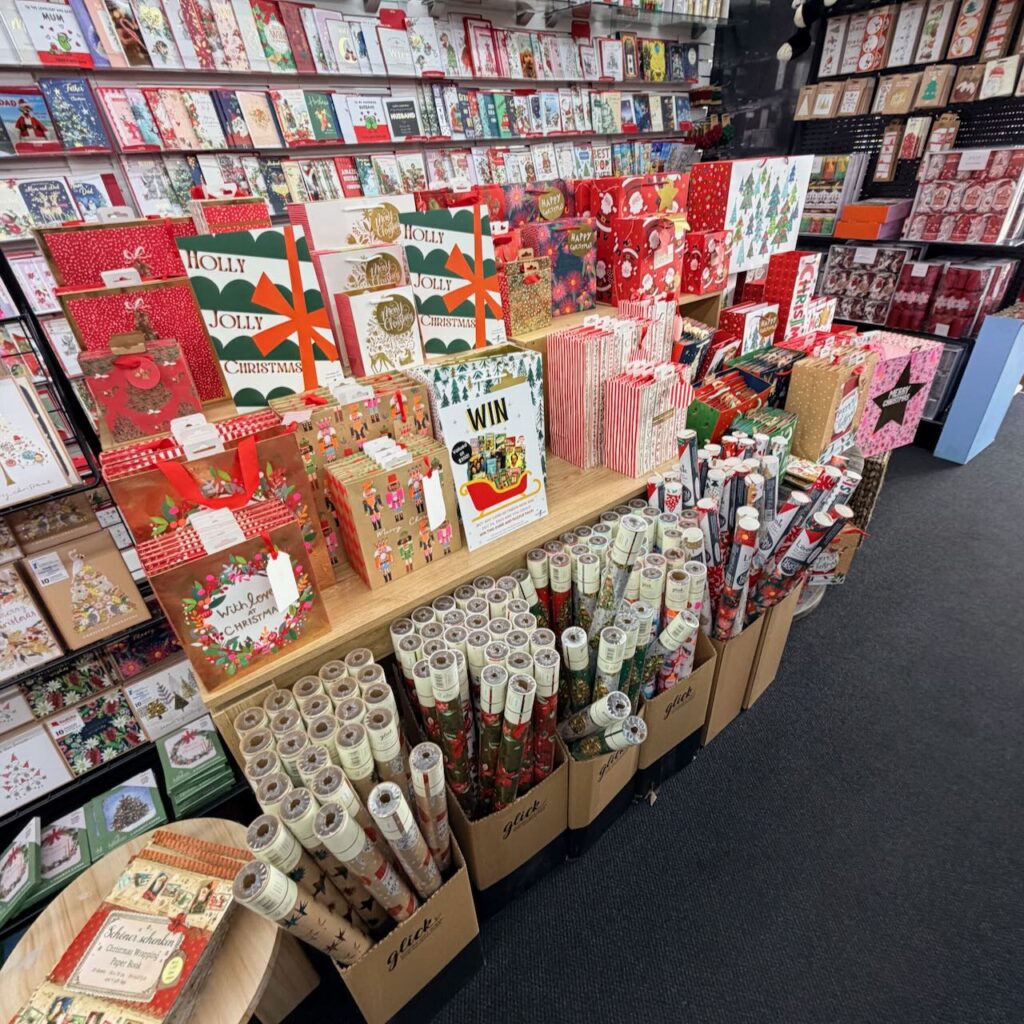
Department store experienced Visual Merchandisers tend to focus on brand-centred displays. Best practice today is not brand-centred displays. Rather, best practice displays today tell a story across multiple brands.

Rather than hiring a visual merchandiser for the newsagency, my advice is to do it yourself. Displays need to change regularly, more often than each fortnight. Changes daily are the key to an ever evolving business.

Most newsagents I talk with say they can’t do displays.

Everyone can do VM!

Here is my advice for someone who have never created a display before.

  1. Start with a clean space, a flat surface, in a good location.
  2. The best display looks like a pyramid.
  3. Your hero product is at the top of the pyramid.
  4. If the display is for a season or some other sign-post event, the poster should be placed with the display so shoppers can see it without having to look for it.
  5. Flowing from the hero product down to the base of the display are other products. But not so many that you can’t see what you want people to see.
  6. The display is balanced, even.
  7. A display of gifts always includes cards.
  8. If the display is promoting homewares the pyramid approach is not needed. Instead, go for something that looks more natural, like in the home.
  9. Use coloured paper to highlight certain products. But don’t go for a rainbow.
  10. From a colour perspective, a good display has no more than two core colours as the focus.
  11. A display can look untidy and that is okay in some circumstances. For example, a box of Beanie Boos exploding from a box .
  12. Mistakes are okay.
  13. Oh, and don’t treat this as an engineering challenge. Keep it simple and fun! :

Take your time, have fun.

Remember, the alternative is no display at all, or you spending $145.00 a fortnight for someone who does not know your shop or your customers coming in and creating something beautiful.

In my opinion, the best displays have a narrative relevant to the business, a story or purpose. This is code for saying I am not a fan of single product or single supplier displays. suppliers love these, of course, as they are a billboard for them. What suits them will likely not suit you.

A good display is a collection of items from multiple suppliers, categories and segments that make sense together, from which a shopper could choose several for a gift, or for themselves. Choosing the items for the display us you curating the display, making editorial choices to tell the story you want to sell.

Leave the display up for one week, two at the absolute maximum. Having a length of time for which a display will be live helps you allocate appropriate time for the creation of the display. if you are not sure how long to spend on it, set yourself and hour tops. Get it done within that time.

Once you’ve done a display, if you are new to this, ask for opinions. Learn. Each display will be an improvement on the last.

4 likes
visual merchandising

Your local newsagent is the best place to buy Father’s Day cards this year and here’s why

For Father’s Day this year, the best place to find your card and gift is your local newsagent. The reasons are simple: better product range, better shopping experience, and best choice for your community.

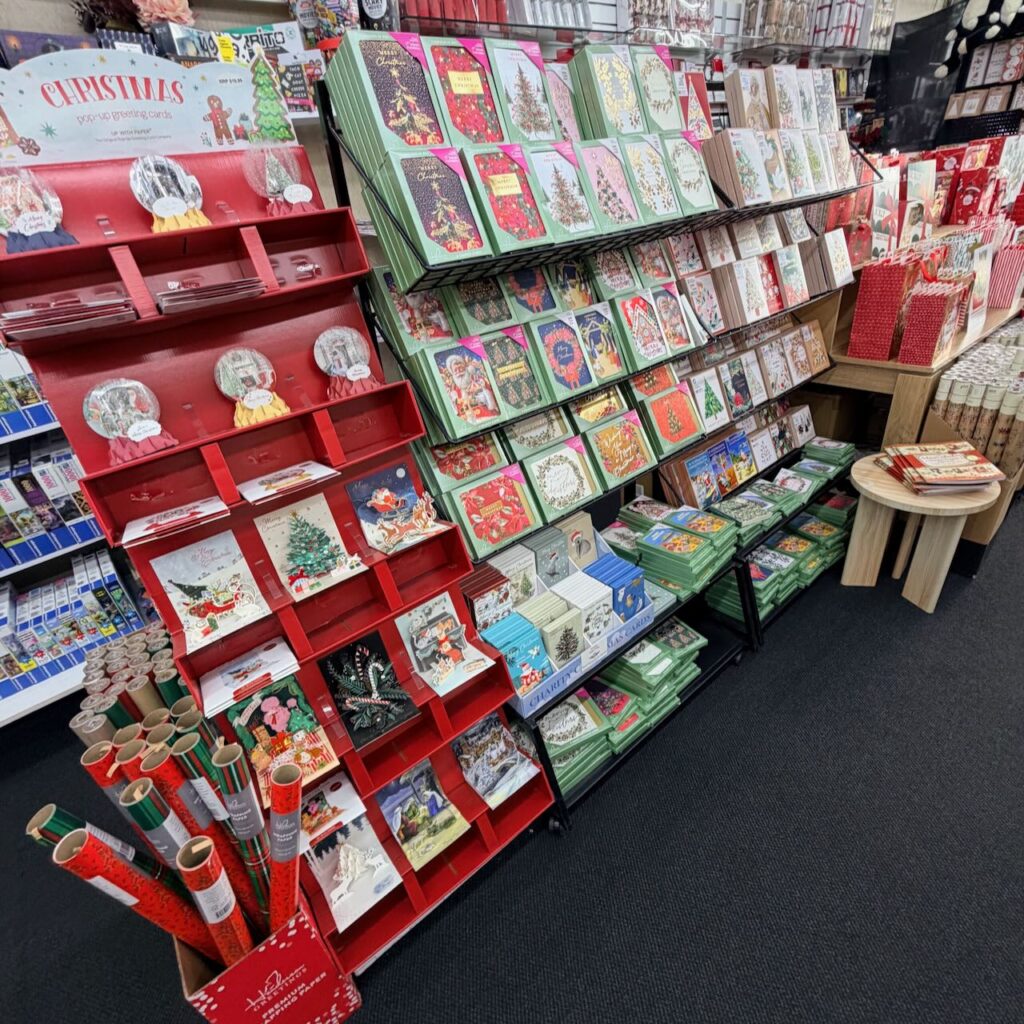
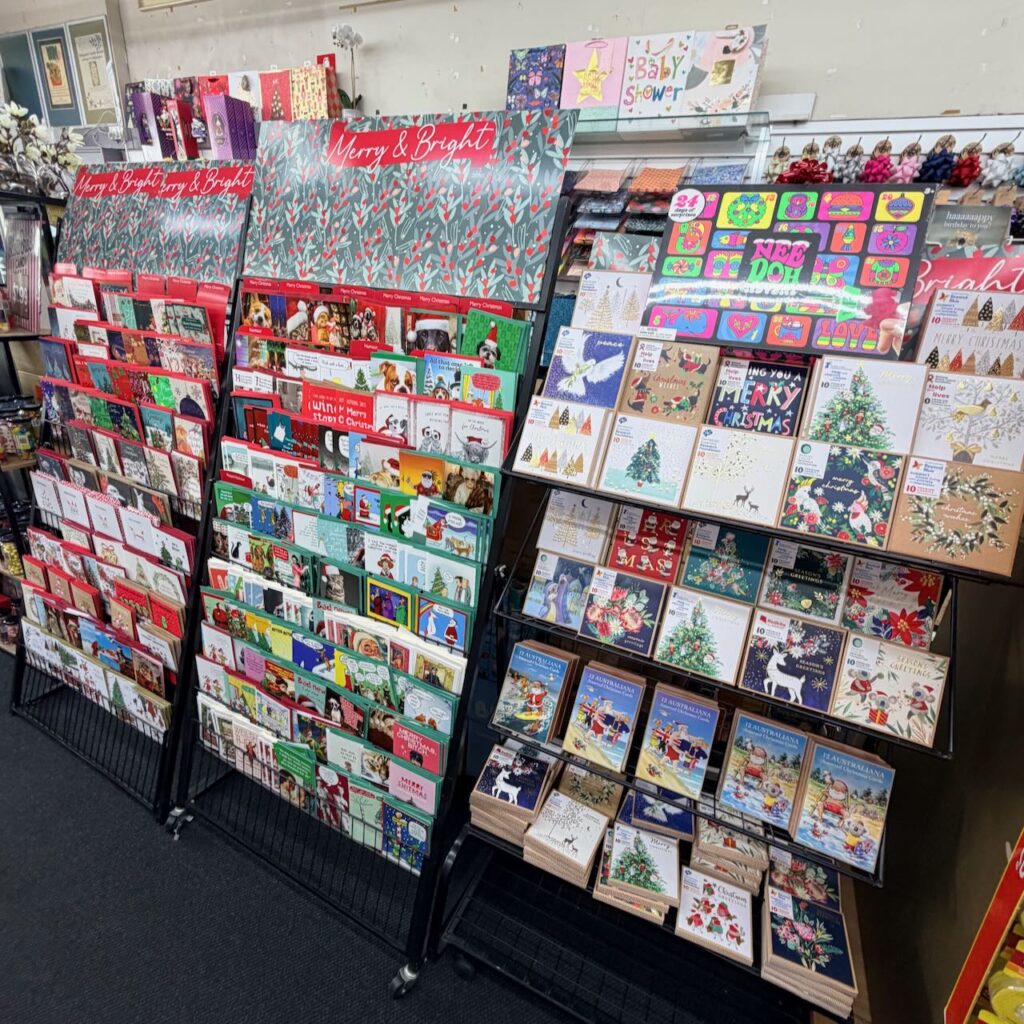
Your local newsagency is where you are likely to find Australian made Father’s Day cards and Australian made matters to anyone who wants local jobs. If you’re not sure, turn the card over and check where it is made. And, while you’re there, check any charity your Father’s Day card purchase will support – that is usually listed on the back of the card

Buying a Father’s Day card from your local newsagency is a direct investment in your community. When you shop at your local newsagent, your money stays local. These are Australian-owned small businesses, often run by families in your suburb. They are the shops that give local kids their first jobs and support local community clubs and groups. Supporting them keeps your local shopping strip alive.

You’ll find a better card. Newsagents do have the best range of cards, better than supermarkets for sure.

  • More designs: They stock cards from multiple companies, giving you a wider variety of styles to choose from.
  • Specific captions: If you need a card for “Grandpa,” “Pop,” “Uncle,” a mentor or a step-dad, you are far more likely to find it at a newsagent.
  • Higher quality: You can feel the difference. The cardstock is often better and the finishes are superior. You can be proud to give a card that feels special.
  • Australian made: Newsagents are the number one supporters of Australian-designed and made cards that capture our unique sense of humour and style.

In my own newsagency we are grateful to sell cards from Henderson Greetings, an Australian company that makes the cards here in Australia.

Henderson Greetings has helped Australians celebrate life’s special events through beautiful, quality products for over 70 years. Our commitment to quality drives both great product and trusted relationships with our customers. Our Head Office is based in Melbourne. Our products and Sales representatives reach leading retailers and newsagents in every state of Australia.

Buying a Henderson Greetings Father’s Day card supports the wonderful work of the McGrath Foundation, a trusted and beloved organisation.

For almost 20 years we’ve supported families through cancer. McGrath Cancer Care Nurses have a proven positive impact on the lives of people experiencing cancer and their families. Learn more about how we’ve supported over 161,000 people and their families right across Australia.

The shopping experience for a Father’s Day card at your local newsagency is simpler You can browse the cards at your leisure in a calm environment. The staff are there to help if you need it, but they won’t pressure you. Many also offer genuine value through loyalty programs. For convenience, you can often find gift bundles ready to go, making it a quick and easy stop.

A Father’s Day card is a lasting memory A great card is more than just a piece of paper; it’s a keepsake. It’s something Dad can look back on for years to come, a tangible memory of the day. Choosing a quality card makes that memory even more special.

To find the best Father’s Day card selection, be sure to shop early. Do a quick search for “newsagency near me” and you’ll find one of the 2,800 local stores around the country, ready to help you find the perfect thing for Dad.

Where can you find the best Father’s Day cards this year: your local newsagency of course!


Mark Fletcher founded newsagency software company Tower Systems and is the CEO of newsXpress, a marketing group serving innovative newsagents keen to evolve their businesses for a bright future. You can reach him on mark@newsxpress.com.au or 0418 321 338.
7 likes
Greeting Cards

How can I reduce the rent I pay for my local shop? Advice for small business retailers

You’d think that rent would be flat or declining considering the number empty shops around. Rent is not always set based on a traditional supply and demand model.

Some landlords have their funding arrangements set based on the value of the property, which is tied to the rent they are asking. Reducing the rent reduces the value of the property and this can negatively impact the funding they have in place.

I talk to many retailers who ask for advice on how to negotiate to pay less rent. These conversations can be frustrating when the retailer has been told by someone that they can get a rent reduction for them, often for a negotiation fee. Leasing brokers and some others who negotiate rent for retailers usually charge a fee for their services with the fee not tied to a successful negotiation.

My advice on how to negotiate a rent reduction is always the same:

Ensure your business is appealing to the landlord: that it attracts traffic to the location, you pay your rent on time, you’re a low maintenance tenant and other retailers in the centre (if you’re in a centre) would not want you to leave.

Gather evidence supporting your case: your P&L, comparative rent for similar nearby shops, details of what you have done to improve the business and details of what makes your business  unique – for example, the lack of control you may have over the price you can change for much of what you sell. In this process you may discover that your results don’t support a reduction in rent.

Have a plan b: another location from where you can operate if you had to. The old adage of location location location is not as relevant today with plenty of revenue for a god shop coming from online. Relying less on a perfect location that delivers traffic to you gives you options. Having another location in mind also depends on you configuring your business to be one that is sought out – that people will come to you. Keep and plan b you develop to yourself.

Make your case early: write to the landlord, in a professional and nun emotive tone. Be clear in your ask. Don’t waffle. Make your pitch compelling. There has to be something in your pitch for the landlord. This pitch best comes from you as you’re the person who has the most on the line – a leasing broker is paid to spend time on your behalf.

The most common mistake I see a retailer make us believing that they should play less rent because they think they should. This is a dangerous mistake.

Another mistake is that the business is declining and less able to pay the rent. A business declining is the responsibility of the retailer to resolve and not the landlord to fix by reducing rent.

There is no common trajectory in terms of rent for retail locations in Australia. The situation varies by state and region, type of location and more. In Perth and Brisbane, for example, CBD retail vacancy rates of 21.7% and 18.3% respectively. There is no national trend on which you can rely.

Recent data from the first half of 2025 indicates that the national CBD retail vacancy rate has decreased to 11.1%, the lowest it has been since the first half of 2021.

How can you reduce the rent you pay for your local shop? The answer is to start planning early and to take responsibility yourself for working what is one of the highest operating costs in your business.


Mark Fletcher founded newsagency software company Tower Systems and is the CEO of newsXpress, a marketing group serving innovative newsagents keen to evolve their businesses for a bright future. You can reach him on mark@newsxpress.com.au or 0418 321 338.
11 likes
Newsagency management

Digital plays a key role in performance of The Lottery Corporation

The Lottery Corporation released its full year results this morning. Digital continues to play an important role for the performance of the business. The digital share of Lotteries turnover grew to 41.8% in FY25, up from 40.9% in the previous year.  Here are a couple of quotes from their results documentation:

Note: higher margin in this second quote. This slide from their deck speaks to the value of digital for their business.

Lotteries remains a vital offering for many newsagents. If you have it in your shop, ensure you are not reliant on it to remain open – attract shoppers for other product categories. Just as TLC appreciated better margin from its growing online sales, you should chase better GP from products far away from lotteries.

I wish TLC would ease its requirements on retailers for prime position into which no other products can be promoted. While I get their focus on store within a store  format to provide identity under The Lott brand”, their approach is, in my opinion, unfair on small business retailers in my opinion – especially considering their focus on driving digital.

5 likes
Lotteries

An unfair burden: Why the RBA’s payments review fails Australia’s small businesses

The Reserve Bank of Australia’s recent consultation paper on merchant payment costs was a critical opportunity for reform. Instead, it signals a profound disconnect from the realities faced by small businesses, threatening to entrench an inequitable system dominated by major banks and multinational payment organisations.

A month ago, the Reserve Bank of Australia (RBA) released its Review of Merchant Card Payment Costs and Surcharging Consultation Paper. While sounding procedural, its implications could be serious for small businesses, especially small business retailers, like newsagents.

Are you paying attention?

The paper’s proposals, or lack thereof, fail to address the fundamental unfairness baked into the Australia’s payment systems, leaving small businesses, what we are told regularly is the backbone of our economy, vulnerable while protecting the interests of powerful incumbents.

The RBA’s review overlooks the core issues and, if its current direction holds, could force small business retailers into an impossible choice: absorb unsustainable costs or lose competitiveness.

The are three critical flaws in the current system.

1. Least-cost routing (LCR): savings left on the table. Least-cost routing is a simple and powerful mechanism. It automatically processes a customer’s tap-and-go debit payment through the cheapest available network, typically eftpos. The RBA’s own data suggest that merchants with LCR enabled enjoy debit card transaction costs nearly 20% lower than those without.

Yet, LCR is not the default. The RBA is merely considering a formal mandate. This hesitation leaves significant, achievable savings out of reach for small businesses who are often unaware the option even exists. In a landscape of rising operational costs, withholding a straightforward tool for cost reduction is inexcusable.

2. Interchange fees: A system rigged for the big business. An inequity exists in the structure of interchange fees, the fees paid between banks for the acceptance of card-based transactions. Big businesses leverage their bargaining power to negotiate substantially lower rates than small, independent businesses for the exact same transaction. The cost to the provider is identical, but the price for the small business owner is artificially inflated.

The RBA acknowledges this gap and says it is exploring measures to address it. This issue does not require exploration; it requires regulation. A fair system would establish a level playing field where the cost of a transaction is not determined by the size of the business processing it.

3. The surcharging ban: treating the symptom, not the disease. Perhaps the most alarming proposal is a potential ban on surcharging, promoted as a $1.2 billion saving for Australian consumers. This figure is a mirage. Banning surcharges does not eliminate the cost; it simply transfers the full burden onto the business owner.

Without first mandating LCR and legislating fair interchange fees, a ban on surcharging would be a dumb. Small businesses would be forced to either absorb these costs  or raise their prices. This punishes customers, makes small businesses less competitive, and ignores the problem. The surcharge is a symptom of excessive costs, not the cause.

What you can do now

While we must demand the government and RBA work in tandem to fix this broken system, waiting is not an option. Small business owners can take immediate, proactive steps to mitigate these unfair costs.

1. Mandate least-cost routing on your terminals. Do not assume it is active. Contact your bank or payment provider (e.g., your bank, Tyro, ANZ, Suncorp) and state clearly: I am calling to ensure that Least-Cost Routing is enabled on my payment terminal(s). I want all eligible debit card transactions to be processed through the cheapest network. This single phone call can reduce your debit transaction fees by 15-20% at no cost to you.

2. Scrutinise your merchant statements. Analyse your most recent statement to understand your true cost of acceptance. Calculate your “blended rate” by dividing the total fees paid by your total card sales for the month. This will give you a clear percentage. If you pay $150 in fees on $10,000 of sales, your blended rate is 1.5%. You must know this figure to effectively negotiate.

3. Leverage a competitive market. Armed with your blended rate, shop around. Contact other payment providers, from traditional banks to modern fintech companies. Ask them directly: My current blended rate is X%. Can you offer a better rate? What are your terminal rental fees and is there a lock-in contract? Loyalty to a single provider can be expensive; in a competitive market, providers must earn your business.

Politicians from all parties laud small businesses as the engine room of the Australian economy, now is the time for them to act. Without decisive intervention to create a fair, transparent, and equitable payment system, our nation’s retailers are about to be dealt a significant financial blow. It’s time for policy to match the rhetoric.

I have written about this again today to put in front of newsagents again. Complaining later will not be as powerful as acting now.


Mark Fletcher founded newsagency software company Tower Systems and is the CEO of newsXpress, a marketing group serving innovative newsagents keen to evolve their businesses for a bright future. You can reach him on mark@newsxpress.com.au or 0418 321 338.
19 likes
Newsagency management

Crossword sales up in the newsagency

I’m not sure if this is widespread but I’ve seen data indicating a sweet rise in crossword sales in recent months. The store sample size is small, not enough to say it’s a channel-wide trend.

That said, for the newsagencies for which I have seen data, sales of crosswords are up between 7% and 18% un terms of unit sakes in recent months. For one store, sales of crossword titles rose from 157 to 189 in July.

Crosswords typically account for between 5% and 8% of total magazine sales. Growth for this segment is a nice gain for the magazine department that is challenges in other segments.

The common features of newsagencies achieving growth in crossword sales is consistent placement, easy customer access, location near newspapers and co-location of some titles occasionally at the counter.

Crosswords are an easy gift, especially if you are located near hospitals, retirement villages and/or nursing homes.

It’s best to not rely on the destination crossword shopper for growth. In my own experience the easiest growth comes from suggesting crosswords as a gift. They work in many situations. They are also easily posted.

Yes, our GP is only 25%, which sucks. That said, any magazine segment delivering growth is something to lean into, I think.

5 likes
crosswords

How we are using AI in our local newsagency in Malvern, Victoria

I’ve been in retail since 1996, and I’ve never seen anything with the potential of AI. Join me as I take you inside my small business and reveal the AI-powered tools I’m using to stay ahead of the curve. You’ll be surprised at how accessible and affordable these game-changing technologies really are. I shot this video on the weekend:

The term ‘AI’ gets thrown around a lot, but what does it actually mean for a local shop on the high street,for a newsagency? In this video, I cut through the hype and show you the real-world results. Forget complex theories; I’m talking about practical tools that automate our invoicing, optimise our pricing against nearby competitors, and even help us write compelling product descriptions for our website. If you’re a small business owner who’s curious but unsure where to begin with AI, this is for you.

In retail, standing still means falling behind. The tools we use today are just the beginning of the AI revolution. I’ll not only cover what’s working for my business right now but also share my thoughts on where this is all heading—from AI-driven reports that offer growth plans instead of just data, to insights that will help us serve our customers better than ever. Watch this video to understand the steps you can take today to future-proof your business for tomorrow.

Now if you’re from the camp that says it’s all too hard – it’s not.

If you’re scared of AI and what it will do, that’s healthy, it’s nit a reason to learn how to use it, and use it properly.

By this time next year we will look back is some business practices today and wonder how we did what we did. Ai will have that much of an impact – for those businesses that do embrace the opportunity and use it.

The key is to learn the tools and figure out how to best leverage them for your business.


Mark Fletcher founded newsagency software company Tower Systems and is the CEO of newsXpress, a marketing group serving innovative newsagents keen to evolve their businesses for a bright future. You can reach him on mark@newsxpress.com.au or 0418 321 338.
13 likes
Newsagency management

Does AI scare you as a retailer?

This is a question we put to local small business retailers using the Tower Systems software. That led to us hosting a free workshop last Friday in which we explored the question and plenty more about AI and its use today in POS software in retail.

In the discussion we talk about how retailers, including newsagents, are using AI in their businesses and we show several examples of this.

POS software embedded AI tools absolutely help you save time, cut mistakes and make more profitable business decisions. I know because I use them myself.

AI use in business, especially small business, is a hot topic. Thursday I recorded an interview for the ABC Am program and Friday I recorded an episode of a podcast for a specific channel of small business retailers in Australia (not newsagents), in which AI was a hot topic.

There is no avoiding it. The smart move is to learn and embrace. The video of the discussion Friday shares insights around protecting your IP and some easy to access tools that can enhance your business performance.

I know of plenty of newsagents using AI tools today to save time, support better business decisions and to provide business performance insights that otherwise might have taken hours or days to do the old way.

I know of newsagents who have cut external accountant and consultant fees by using AI to do the analysis work for them, to find weaknesses in the business performance data, to lay out a pathway for improving the business.

These are real uses of AI tools in Aussie newsagency businesses today. Anyone can access them. The Tower software has terrific AI tools embedded in the software. You can also use excellent AI tools outside of any software.

Personally, I think we are in an exciting moment in time with AI. It’s scary too, for sure, given the bad than can be done with AI. I have no control over that though, and it cannot be regulated now. My interest is in what I can do today to run a more successful business. AI tools are key here. The video I share in this post is barely a start in the conversation about what you can do in your newsagency with AI tools.

Our goal in the discussion Friday was  to transparently discuss and answer questions as part of our mission to help small business retailers be aware of AI tools for retail and to show how AI may not be what they think of it as being.

Are retailers using AI today? for sure!

Is AI safe? Yes, as safe as any tool used properly.

Can small businesses use AI to compete? Yes, AI tools help small business retailers do more with less and to more quickly analyse their performance in ways that big businesses only used be able to.

Is AI changing? Yes, rapidly. What our POS software with AI today is very different to just a few months ago.

For small business retailers who are hesitant about using AI, this discussion directly addresses common fears and misconceptions. We transparently answer questions and show how AI can be a powerful, safe tool.


Mark Fletcher founded newsagency software company Tower Systems and is the CEO of newsXpress, a marketing group serving innovative newsagents keen to evolve their businesses for a bright future. You can reach him on mark@newsxpress.com.au or 0418 321 338.
5 likes
newsagency of the future

Lotterywest offers WA retailers access to free online counselling

It is terrific seeing Lotterywest offer Western Australian retailers access to PeopleSense, a free professional and confidential counselling delivered by psychologists.

The service aims to help retailers gain practical skills to help with personal or work-related challenges. PeopleSense has been around for 22 years.

PeopleSense directly employs over 170 psychologists and 30 wellbeing experts, as well as working with a network of clinicians across the country. Access a team that works in unison to develop and implement the highest standards of care. We use modern best-practices and adapt our care plans to your unique needs. And our clinical governance continues to show real and meaningful improvements in care outcomes.

This is service that could help retailers facing challenging situations that are negatively impacting their own wellbeing.

I am not aware of any other suppliers offering a similar service.

3 likes
Newsagency opportunities

Are Direct rolling out weekly daytime magazine deliveries

Are Direct conducted an 8-week trial in part of Victoria metro in May/June 2025 with a weekly daytime delivery with proof of delivery.

The trial results in terms of sales performance and newsagent feedback, including labour and time savings managing the category only once a week.

I think this is a good move. It’s also an expected move as engagement with print media evolves. Newsagents should not be worried about this. I think they should take the move as a reason to work on their business in the context of traffic drivers – for the sustainability of the business.

Below are more details provided by Are Direct and their plans for rolling out the weekly daytime deliveries (Mon, Tues, Wed).:

NSW country has been split into different areas as we have multiple contractors here.

  • Part of Vic Metro (roughly the Western side of Melbourne) rolled out 5 May
  • Regional QLD rolled out 7 July
  • Next:
    • 25 August – Balance VIC Metro
    • 25 August – NSW Country (Newcastle, Greater Newcastle)
    • 1 September – VIC Country
    • 8 September – NSW Country (Central Coast, Goulburn, Blue Mountains)
    • 15 September – SA Metro
    • 22 September – NSW Country (Wagga)
    • 22 September – NSW Country (South Coast, Illawarra, Canberra)
    • 30 September (at the latest) – SA Country
    • 13 October – TAS
    • 3 November – QLD Metro
    • NSW Metro – Feb 2026 TBC

Newsagents are being communicated on the changes 4 weeks in-advance of the change and these comms include the FAQ’s that I attach for reference. These are very similar to what was shared when we ran the Vic metro trial. We are also supplying A2/A4 posters prior to the delivery change to help stores communicate the delivery change to their customers.

By the end of this year approx. 70% of retailers will be on the new weekly daytime delivery model. We are planning to complete NSW metro in Q1 2026, and this will just leave WA although we have weekly deliveries in remote areas already.

This information above provided by Are Direct is terrific, and straightforward. The company has also provided terrific FAQ details:

 Why are you having to change the on-sale days of magazines? 

Magazine distribution continues to be challenged with volumes decreasing by 10% a year and with warehousing and transport costs increasing well above inflation, we need to look at ways of building a sustainable future for all our businesses. 

Why are you changing from deliveries overnight to daytime? 

Content, even in weekly titles, is becoming less time sensitive to consumers and sales are now more spread through the day. Most newsagents are also opening later than they used to when they were managing newspaper home deliveries and the number of sub-agents for magazines has been decreasing. 

Daytime deliveries allow us to ensure magazines and TheMarketHub stock is safely delivered during opening hours with proof of delivery like many other suppliers you deal with. Later this will also allow us to offer our services to other suppliers delivering direct to your store and aggregate stock. 

We conducted an 8 week trial in part of Victoria metro in May/June 2025 and after some initial impact from customers getting used to the new on-sale pattern, we now see trial stores weekly sales performance in line with non-trial store performance. General feedback received has also been positive now the delivery time is becoming more consistent, and there are labour and time savings managing the category only once a week. 

What magazine days will be part of the weekly delivery? 

The weekly delivery will combine the delivery you would normally have received separately on Monday and Thursday for that week. 

Will all retailers in the same area receive magazine deliveries on the same day? 

Working closely with our distribution partner NDS we have mapped all delivery runs and tried to ensure all retailers in the same geographical area receive their magazines on the same day. The delivery days for magazines will move to Monday, Tuesday or Wednesday. As you would expect in some areas there will be some borderline overlaps, and we will continue to review these. 

As you receive your new magazine delivery, you are encouraged to place new copies on shelf to maximise sales for your store. 

What time will I receive my magazine delivery? 

Deliveries will commence from 7am and will be completed by the afternoon of your confirmed delivery day. Your store will be in a set position every delivery based on location. We expect the delivery time to become more consistent as the service beds in. We know this is important so you can roster staff appropriately for the larger single delivery volume. 

When magazine deliveries fall on a public holiday (Monday-Wednesday) then all deliveries will move back 24 hours. i.e. Public holiday falls on a Monday; deliveries will be Tuesday, Wednesday & Thursday for all retailers. 

Will I still have 48 hours to claim shortages/short deliveries for magazines and TheMarketHub product? 

Yes, nothing will change from the current process. We would ask that magazine stock is checked after it is delivered so new products can be put on the shelf for customers and old products taken off show. 

Will the weekly returns form still be available on the Are Direct website from Wednesday for unsold products to be returned? 

Yes, the weekly returns form will continue to be made available on the website from Wednesday to process on-time returns. 

Will my XchangeIT files be available to me for my new delivery day? 

Yes, your delivery files for the single weekly delivery will be available from Friday afternoon/evening when we have completed the packing of your weekly delivery at our Sydney warehouse. All invoice header’s will now all show a Thursday on sale date. 

How do I view my proof of delivery photo showing my delivery was made? 

You will be able to view your proof of delivery photos that will be date and time stamped via the Are Direct website. In the Retailers menu under ‘My Documents’, you will now have a new tab for “Proof of Delivery” images. We have proved an updated user guide with step-by-step instructions on how to access this new website feature. 

How will you help us communicate with customers on the new delivery day? 

We will provide your store with A3 and A4 poster to display to your customers your new delivery date for magazines. This will arrive with your first consolidated delivery. We would also ask if you could also communicate the change to your regular weekly magazine customers in advance of the change in on-sale delivery. This should include the weekly Are Media titles That’s Life and Take 5 that will now be delivered earlier. 

As I noted, this move is good I think. It makes sense. Newsagents need to consider this in the context of their businesses and consider other changes they could make for a more sustainable retail business.

7 likes
magazine distribution

Small business retail advice: the battlefield is customer experience, not price

In today’s world of huge online retailers and national retail chains chasing business, the local retail business advantage is in creating memorable, human-centric experiences. This is where retail businesses, like newsagencies, shine.

I was in Japan in business a few weeks ago and visiting retail there reinforced the importance of the in-store experience. Retail staff are grateful you are shopping with them. Their engagement is gentle. They take pride in serving. Their attention to detail is excellent.

The service we provide in our shops is a key and valuable differentiator to online and big business competitors. It is the best place to start if you want to differentiate your business from them.

Double down on in-store service. Train your staff to be genuine experts and consultants. Remember customers’ names and preferences. Offer a level of personalised service and product knowledge that an algorithm cannot replicate. Create a welcoming physical atmosphere that makes people want to visit.

Anyone making the effort to shop in-store versus online needs to feel welcome. We need to remember they could be looking for more than just the product.

  1. Personal is your differentiator: Online (Amazon) can’t compete with the feeling of walking into a welcoming space. No matter how much they try, they can’t offer a friendly, face-to-face conversation, a curated sensory environment, or the immediate satisfaction of discovering something unique. Your physical experience is your moat against online giants.
  2. Personal builds emotional loyalty: A transaction is forgettable. An experience is not. Positive experiences create emotional connections that build genuine loyalty. Loyal customers are less price-sensitive, they recommend you to others, and they choose to support you because they want you to succeed.
  3. Personal supports your price point: A customer who has a wonderful experience in your shop is less likely to go home and search for the same item to save a few dollars online. The personal experience you provide become part of the value they take away. The experience itself makes the purchase feel more worthwhile.
  4. Personal creates a “third place”: Retail experts talk of in0store shoppers looking for a “third place”, somewhere that isn’t home (first place) or work (second place) where they can feel comfortable. Your shop can be that place.

Here are some tips for pursuing these points:

  1. Welcome every visitor.
  2. Help when needed.
  3. Provide a warm experience: fewer bright lights, for example.
  4. Ensure the shop always smells good with scents that appeal.
  5. Ensure the shop sounds good with music people hum along to.
  6. Add value every time you can: like how to use a product or when giving something as a gift is best.
  7. Thank them for stopping by.
  8. Support local in every way you are able.

The path to success against online giants isn’t about competing on their terms of price and scale, but by mastering the one area they can’t touch: the in-store experience. By offering a welcoming atmosphere, fostering genuine human connections, and embedding your shop in the local community, you  build a loyal following and create a memorable destination that customers will choose to support, ensuring your business not only survives but thrives.

In local small business retail we can complain all we like about online and big retailers, or we can provide in ur own a shop an experience that sets us apart and demonstrates in every contact the value of shopping local.


Mark Fletcher founded newsagency software company Tower Systems and is the CEO of newsXpress, a marketing group serving innovative newsagents keen to evolve their businesses for a bright future. You can reach him on mark@newsxpress.com.au or 0418 321 338.
9 likes
Management tip

Good first day at Reed Melbourne Gift Fair

Yesterday was a good first day at the Melbourne gift fair with a diverse mix of retailers attending and most keen to do business.

Whereas five or so years ago this trade show would be dominated by gift shop owners and staff, now the retail channel mix is broad. yesterday I saw folks from jeweller, garden centre, pet and newsagency businesses, as well as gift.

There were plenty with online only businesses. There were also several over from New Zealand for the trade show.

While I think Reed is running for show one or two days too long, day one augurs well for the value of the event for the suppliers who have stumped up big money to be there.

1 likes
Newsagency opportunities

Promoting jigsaws in Winter in the local newsagency

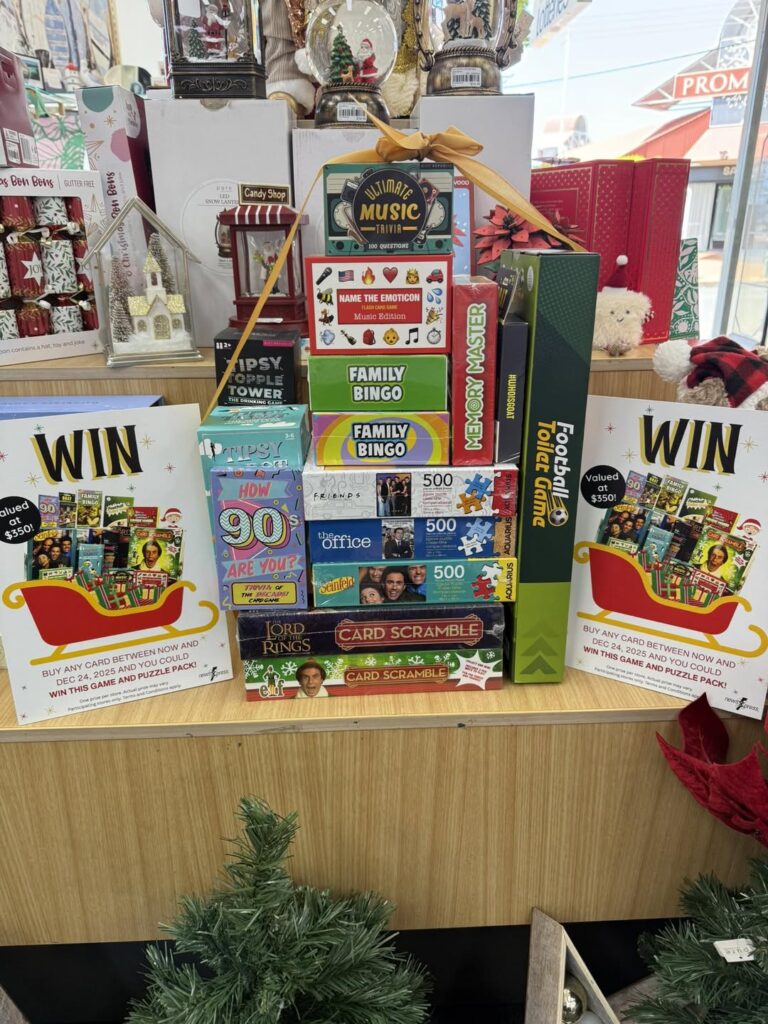
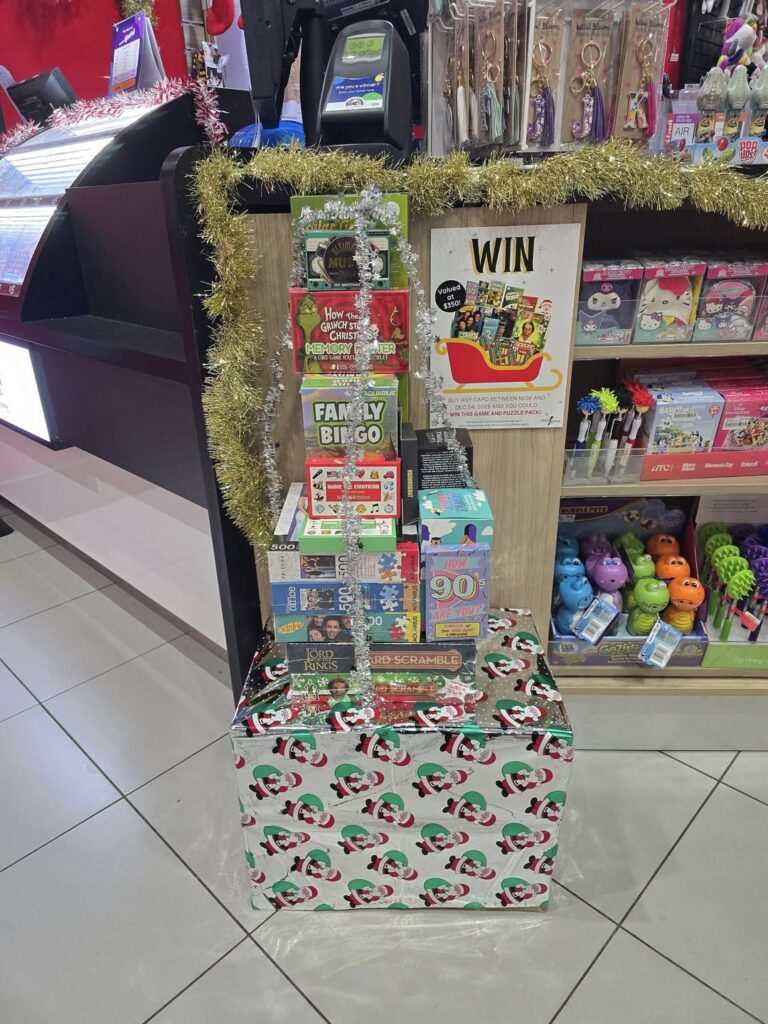
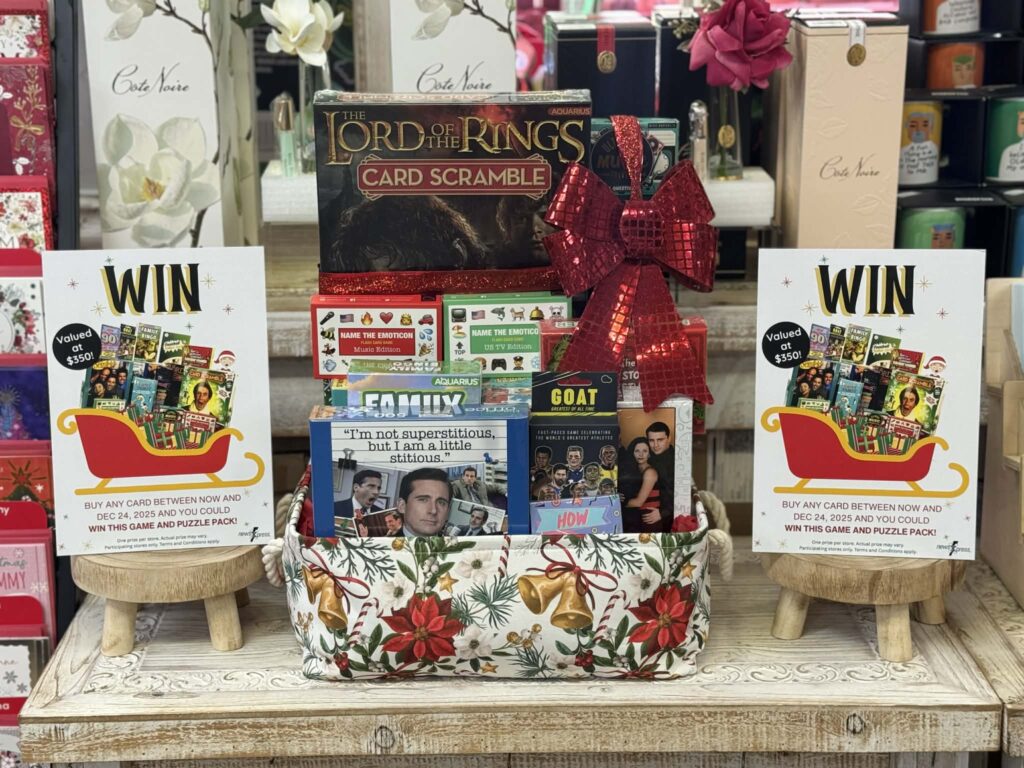
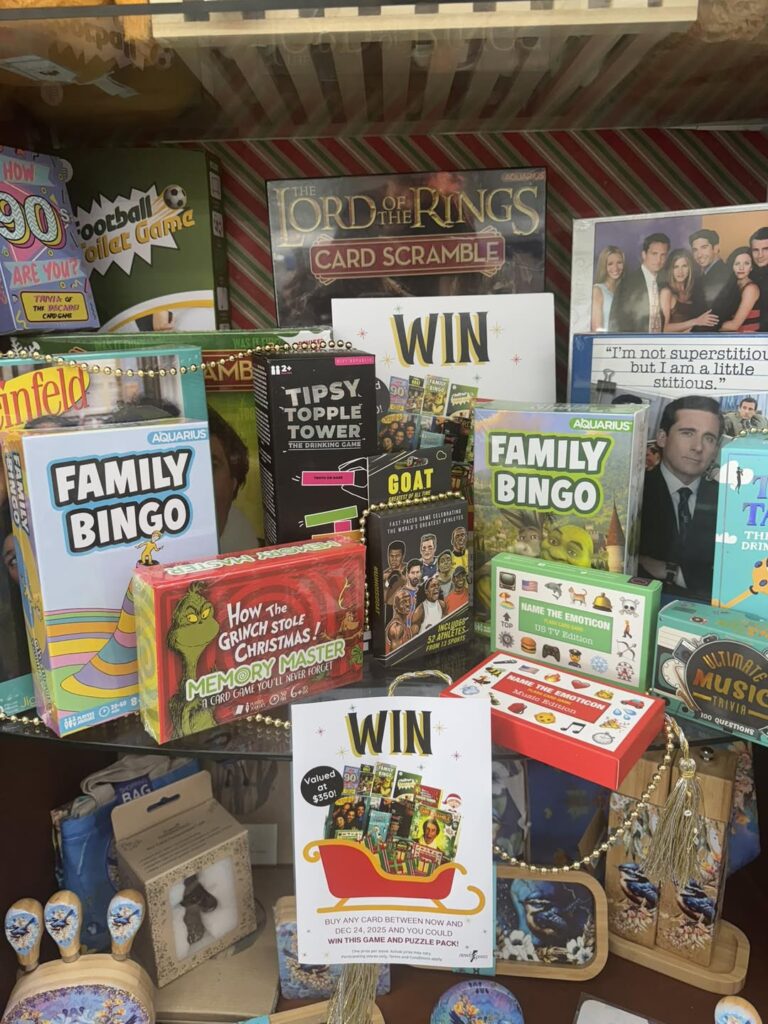
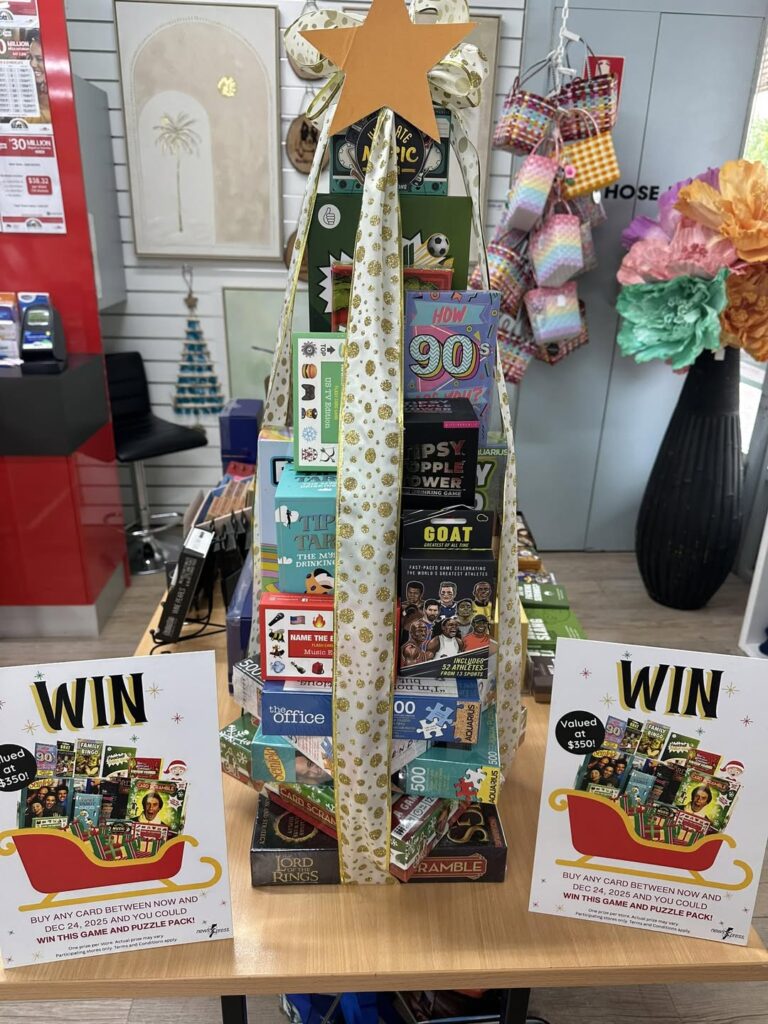
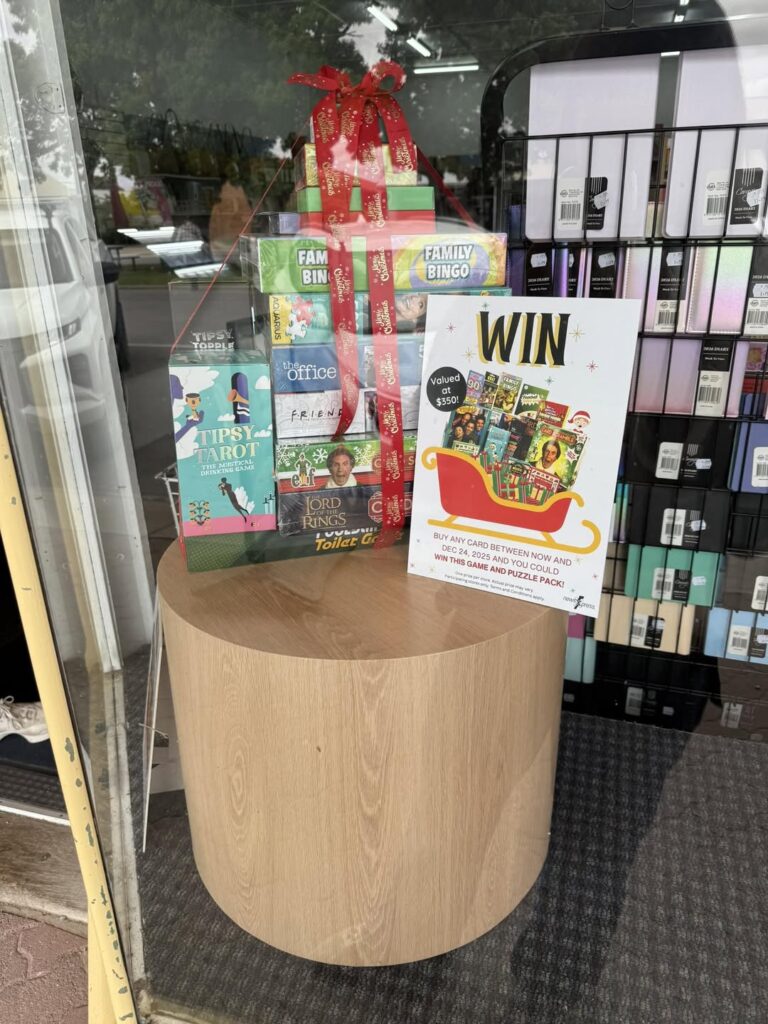
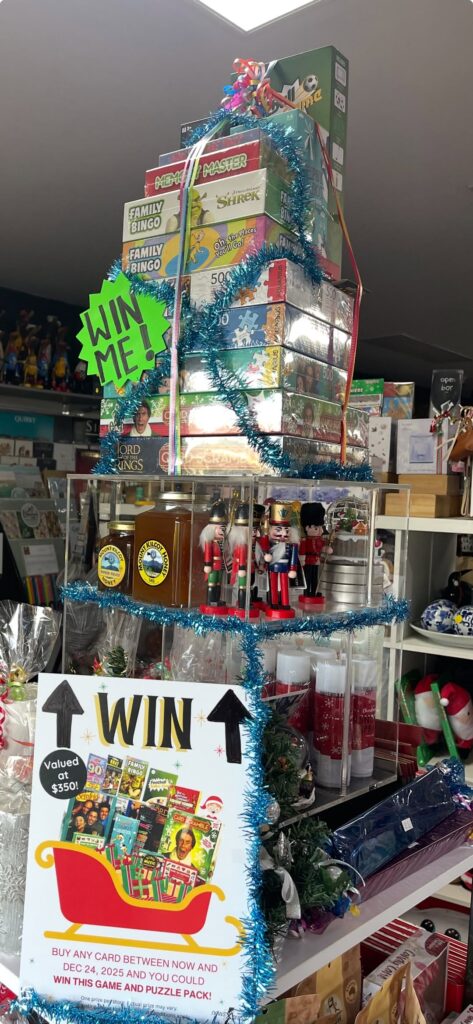
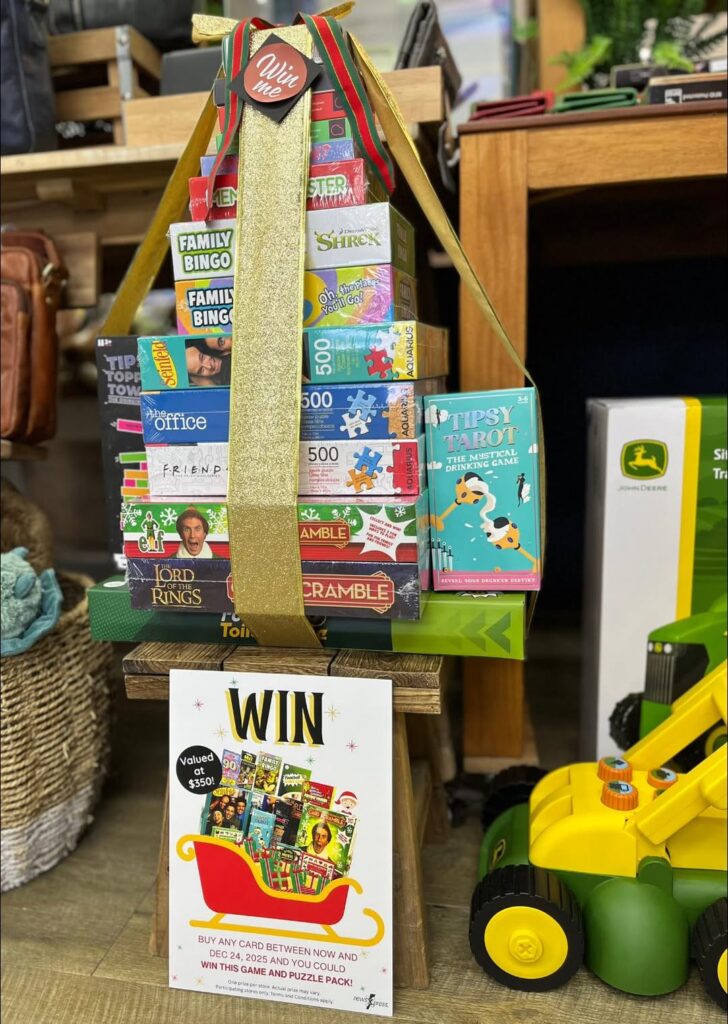
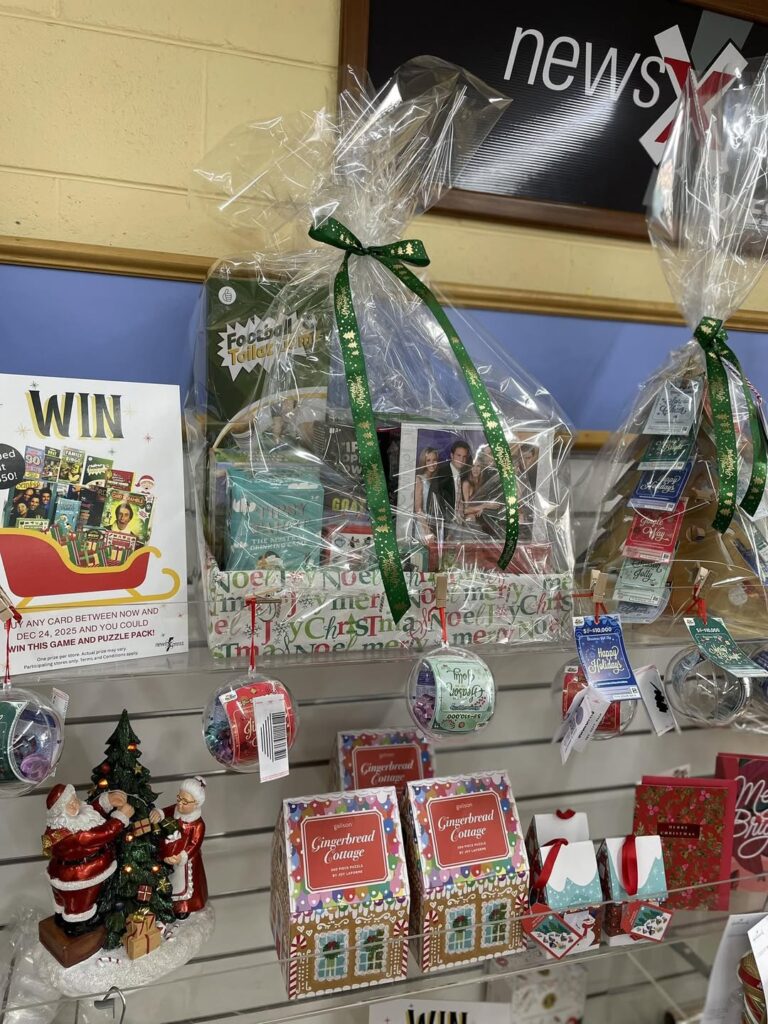
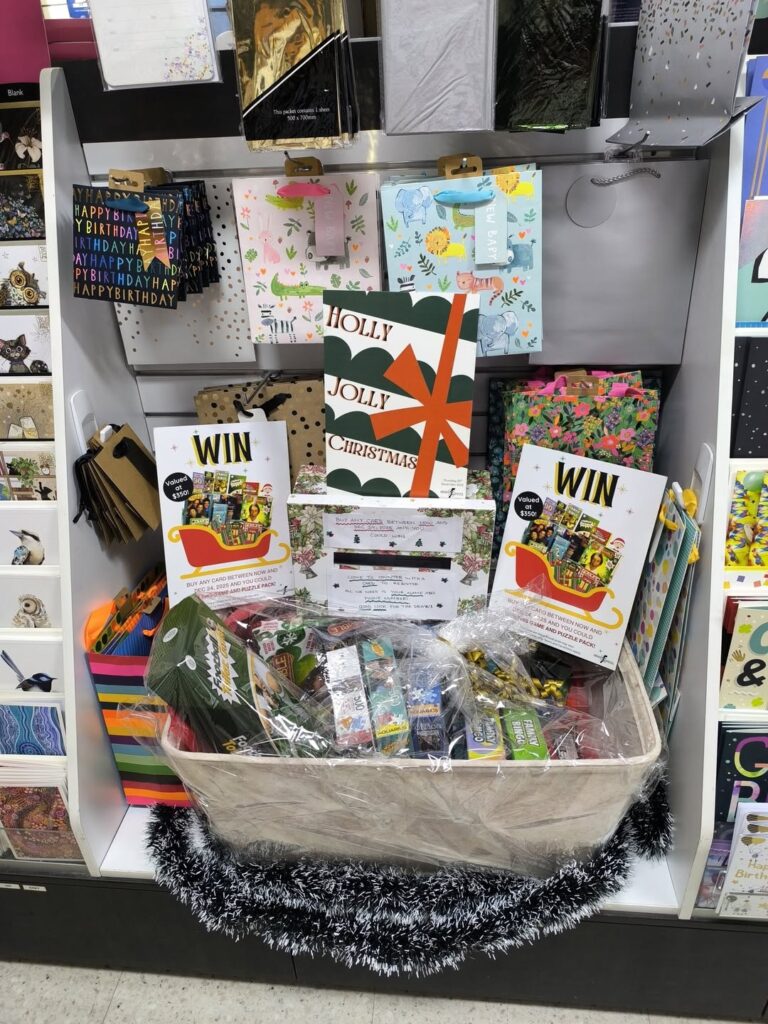
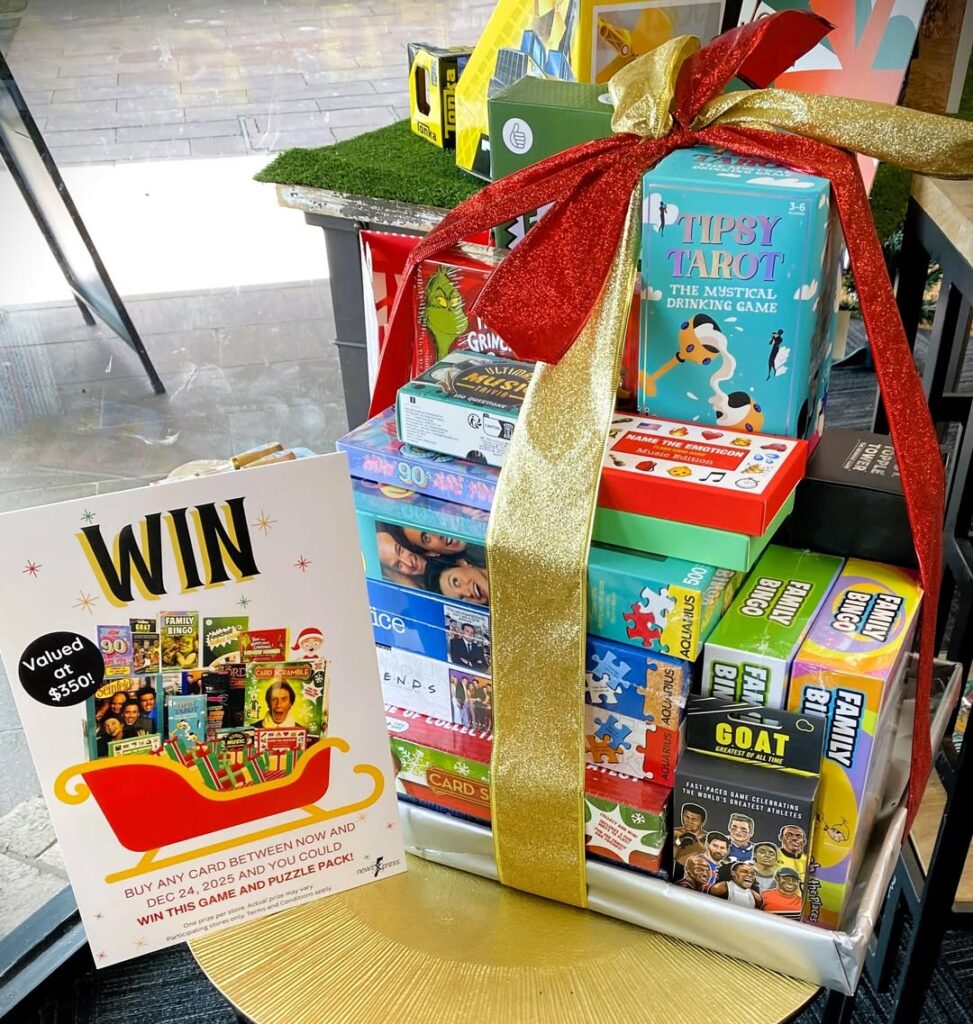
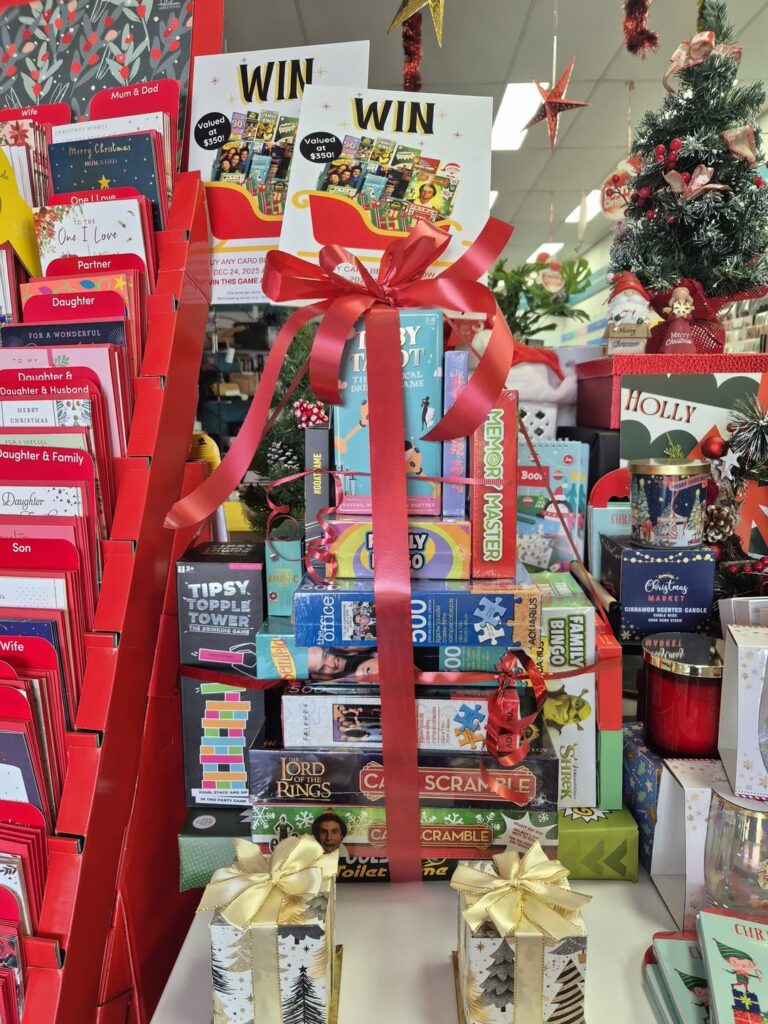
newsXpress stores are running an in-store promotion around the jigsaw category. Each store has been provided access to product deals with bonus gross profit, a terrific good-value prize for one lucky local shopper along with collateral for promoting the competition.

This type of local store promotion with a local winner is successful for local retailers. It’s part of the exclusive newsXpress Seasonal Edge promotion series, which costs nothing for participating retailers.

Here is a small sample showing in-store activation with the promotion.


The proof of the campaign is in sales, and they are up.

Simple and local campaigns like this work well, especially when thoughtfully timed for the right season, which Winter is for jigsaws.


Mark Fletcher founded newsagency software company Tower Systems and is the CEO of newsXpress, a marketing group serving innovative newsagents keen to evolve their businesses for a bright future. You can reach him on mark@newsxpress.com.au or 0418 321 338.
5 likes
newsagency marketing

Have your say on card payments

The Independent Payments Forum, a lobby group of which ALNA and newsXpress are paying members, is working on the RBA and politicians in relation to merchant. They’d like input from small business retailers, like you. This quick survey is anonymous. Your response will strengthen small business representation.

Here is a link to the survey: https://forms.gle/nhpzXd1GN7ncTjZp9

If you are concerned about the costs of payments in your shop, spent a minute or so and complete the survey, please.

5 likes
Newsagency management

Ignorant op. ed. by Dave Sharma in the AFR

Liberal senator Dave Sharma penned an op. ed. for The Australian Financial Review claiming the RBA position on card surcharges is a considered way forward toward a more modern and competitive system.

The opening line of his piece sets up up for his ignorant take.

Paying a fee in order to spend your own money is a strange state of affairs.

Does he not understand business, that businesses have costs and the costs are reflected in the costs of products. With the current approach to surcharging, retailers are advising consumers the cost of this part of their business. I would not, however, that some lazy retailers go for a high cost payments option in the knowledge that they can pass that on. I think this is poor form by these retailers when there are payments costs well under 1% readily available. But, I digress.

The currently published position by the RBA if implemented fails small business retailers.

Sharma goes on to write:

The abolition of card surcharges would bring card payments in line with cash and be of immediate benefit to consumers and households, saving them a collective $1.2 billion. Mandating the reduction of wholesale fees linked to card use will benefit merchants, and particularly small businesses.

It seems like Sharma has not read the RBA consultation paper.

My concern is that small business retailers like newsagents are ignoring what’s is being discussed here and that they will only arc-up when it is too late.

Right now is when we need to be approaching our local federal politicians so they understand the risk to small business retail of the flawed RBA position on surcharges. The RBA claim to eliminate the cost of surcharges on consumers is nonsense unless small business retailers are given payments costs that match the sweetheart deals given to big business.

Dave Sharma needs to do better research before writing next in the big business mouthpiece, the AFR.

Meanwhile New Zealand’s Commerce Commission has retained a zero debit interchange option, continued card surcharging and reduced other interchange fees for businesses accepting Visa and Mastercard payments. Hmm, what is it with politicians and their lack of apparent understanding of business.

10 likes
Social responsibility

Free offer: for newsagents with a website and those considering one

I’ve been deeply immersed in the world of online retail for over a decade. From building websites for my own newsagency businesses – individual shops, online-only stores, and multi-shop single-category sites – to guiding the web development efforts at Tower Systems, the software company I founded, I’ve gained extensive experience. Through my work at Tower, I constantly leverage search, traffic, and other data to help retailers attract more shoppers online. I also have access to insightful, paywalled data on website traffic and keywords, giving me a unique edge.

Now, I’m extending that expertise to you. My goal is simple: to help more newsagents make money online. This starts with creating websites that are easily found, trusted, and enjoyed by visitors. Data play a vital role in achieving these goals, and thankfully, there’s plenty of good data available to inform actionable advice.

Here is what I offer, for free:

1. If you already have a website:

Email me your website URL at mark@newsxpress.com.au. I’ll review your current traffic data, analyse your website’s performance, and examine your social media presence. I’ll also take a look at some of your competitors’ online strategies.

What you’ll receive is a clear, actionable “To-Do” list of steps you can take yourself to improve traffic and convert more visitors into paying customers, ultimately growing your online revenue.

2. If you’re considering a website (or don’t know where to start):

Email me at mark@newsxpress.com.au with your initial ideas for a website. I’ll research relevant keywords and analyse the traffic potential your competitors are already getting.

You’ll receive valuable evidence and insights to help you make informed decisions about the type of website that’s right for your business. If you’re completely new to this and have no idea where to begin, feel free to email me about that too – just tell me a bit about your shop.

Also, know that your website does not have to be connected in any way with what you sell in your newsagency today. In fact, I’d encourage that.

Why am I offering this for free? 

This service is genuinely free. I am not trying to sell you anything. I’ve offered similar analyses to Tower Systems customers, most of whom are outside the newsagency channel. Each project has broadened my own knowledge and helped me refine this service.

So, why the free offer? The health of the Australian newsagency channel matters deeply to me. I care about our industry, and this free service is simply another way I can give back and help newsagents run thriving retail businesses in today’s digital landscape.

The more newsagents selling online with successful websites the better.

A Word of warning: The Truth Matters

What I’ll share with you will be the unvarnished truth. I won’t sugarcoat it. If you’re serious about making money online, understanding the real picture is crucial.

Please email me at mark@newsxpress.com.au.

Footnote: Each analysis takes time. Plus I have a day job. I will get to your request as soon as I can.

18 likes
Newsagency management