Why men’s journals are worth space in your newsagency right now
Young men aged 18 to 40 are buying journals in growing numbers. Not diaries. Structured, guided journals built around habits, daily prompts, and goal-setting pages. They found the category through Stoicism podcasts, productivity YouTube channels, and communities built around self-discipline and mental health. Projects like Better health, Blokes Talk, men’s Shep and more speak top it. Local churches too.
Structured and guided formats now account for 54% of planner sales globally. Gen Z is 35 to 40% of that buyer base — well above where the industry expected them to be. The broader men’s wellness market is forecast to nearly double by 2030. Journaling is a small corner of it, which is exactly what makes it worth trialling. Low cost to test, no specialist range needed.
For a newsagency, there are two buying occasions worth understanding. The self-purchaser is deliberate. He checks paper weight, flips through the layout, and walks past a cheaper option that does not feel right. Matte black, charcoal, leather. Words like “focus”, “discipline”, “morning ritual”. He will pay $45 for a journal that suits him and ignore a $15 one that does not. Get the range right once and he comes back.
The gift buyer does not know the category but wants something that looks considered. A journal and pen together with a simple “Gift for him” sign does the job. She does not need to know anything else.
A small display near the counter — four to six SKUs, one pen, one leather sleeve, clean signage — is enough to find out whether it works in your store.
newsXpress provided its members a full brief on this category a while back, and it goes considerably further than what I have covered here. Merchandising detail, display headers, bundle pricing, paper specifications, what to avoid stocking and why. Built on market data and retail behaviour research. Not a supplier recommendation.
Finding new shoppers is the problem most independents are trying to solve. Categories like this one — real demand, accessible to trial, underserved by most newsagencies — are where that starts. The traditional product mix is not going to bring in people who have never had a reason to walk through the door.
If you are a newsXpress member, the full brief is in your member resources. If you are not a member and this is the kind of support you have been looking for, it is worth a conversation.
And, for what it’s worth, I know of a local retailer playing in this narrow segment and achieving $15,000+ a year in direct sales and more than double that if you consider what is added to the basket during the destination purchase.
It all comes down to whether you do want to attract new shoppers, or whether you are happy with things the way they are.
… Mark Fletcher is the CEO of newsXpress and founder of Tower Systems, a POS software company serving independent retailers across Australia. mark@newsxpress.com.au | 0418 321 338
The customer who brought scissors
We had a humour card with a small floppy balloon penis on it. Funny card. Customers loved it. Sold consistently.
Then cards started appearing on the display with the balloon missing. We assumed a product fault — attachment not holding, supplier issue, something in the handling. We chased it down. Nothing explained it.
We checked the security footage.
A woman, late seventies or early eighties. She’d come in, browse, wait until no one was close, and snip. Clean off. She’d done it to several cards before we caught on. Came back and did it again after that.
It’s genuinely funny in hindsight. A dedicated, recurring mission to rid the shop of a balloon penis.
It also points to something that isn’t funny. Some customers believe they have standing to decide what a shop carries. Not by choosing not to buy something — that’s their right — but by removing the choice for everyone else. She didn’t want the card there. So she solved the problem herself, repeatedly, with scissors.
We see other versions of this regularly. Customers who complain about products they didn’t buy. Who tell you directly that you shouldn’t stock something because they find it offensive. Who seem genuinely surprised that their discomfort doesn’t automatically override your ranging decisions.
A retail range isn’t built for the most easily offended person in the customer base. It’s built for the whole of it. That card made people laugh and it sold. One person felt differently and handled it with craft supplies.
Stock what your customers want. Not what survives the most conservative person in the shop.
Back to our snipper. We confronted them and asked that they stop it. They complained. We invited them to shop elsewhere.
While our approach may have lost us customers through word of mouth (we certainly heard the complaint had reached others) we felt better for being true to the retailer we see ourselves as, stocking what more customers like and what we can have a laugh about.
…
Mark Fletcher founded newsagency software company Tower Systems and is the CEO of newsXpress, a marketing group serving innovative independent retailers, including newsagents, who continuously evolve their businesses to be enjoyable, relevant and successful. You can reach him on mark@newsxpress.com.au or 0418 321 338.
The price increase you most likely haven’t tried yet
If you are like a ship I visited a few days ago, you are likely sitting on hundreds of well-selling products right now where a 50 cent or one dollar increase would go completely unnoticed by customers but would add real dollars to the bottom line by the end of the year. Not a dramatic margin overhaul — just a quiet, deliberate look at what you’re charging versus what the product is actually worth to the person buying it. That gap exists in almost every shop. The retailers who go looking for it find it.
When did you last put a price up just to see what happened?
Not because a supplier raised their cost. Not because the margin report flagged something. Just because you thought a product might be worth more than what you’re charging for it.
Most newsagents never do this. Prices move when costs move. Margin percentage drifts down without anyone noticing, and the business quietly earns less than it should for years.
The products worth testing are the ones customers want rather than need. A card for a specific occasion. A gift that’s genuinely hard to find locally. A collectible that’s selling faster than you can reorder it. For those products, shoppers will often pay more than the current price suggests — you just haven’t asked yet.
Put one price up. Watch it for a couple of weeks. If it keeps selling at the same rate, you’ve found margin you were leaving behind. If it slows, adjust it. Neither outcome is a problem. One earns you more money. The other tells you something useful about your customers.
The retailers doing this well aren’t testing everything at once. That’s not experimenting, that’s chaos. They pick lines with strong, consistent demand and move carefully. Over time those small experiments add up to a margin position that looks nothing like where they started — without a supplier negotiation or a ranging overhaul in sight.
Your POS data already shows you which products are moving consistently. Start there. Pick something with steady demand, nudge the price, and watch what the data shows over the next few weeks.
The worst that happens is you learn something. The best is that you find margin that’s been sitting there the whole time, waiting for you to notice.
Selling your lottery business and keeping your shop might be a smart move
More newsagents outside of Western Australia are selling their lottery business. Not because they’re struggling — because they’re thinking ahead. I am seeing this move more and I guess others are too.
Some do it while winding down. The lottery licence has value, selling it separately makes the exit numbers work better than a whole-of-business sale. That’s been happening for years.
What’s newer is the transformation sale. Retailers actively rebuilding what their shop is and who it serves are looking at their lottery setup and seeing floor space, staff time, and capital locked into a product they no longer control.
The Lottery Corporation’s direction isn’t hard to read. Digital. Direct. Their money is going into moving lottery players onto their own platform. Every campaign pushing customers to the app reduces the long-term value of a retail licence. Newsagents paying attention are moving before the market moves for them.
Selling in that context isn’t giving up ground. It’s freeing it up.
The footprint a lottery terminal takes matters when you’re rebuilding a shop around gifts, collectibles, or homewares. That space earns more doing something else. The capital from the sale funds the change. The staff hours no longer absorbed by lottery transactions go somewhere that actually builds the business.
Buyers are around. Supermarkets adding a service draw. Chemists expanding their convenience offer. Standalone operators shifting the whole thing to a kiosk. For those buyers the licence fits traffic they already have. For the newsagent selling, it’s a clean separation.
This isn’t the right move for every retailer. If lottery is still generating foot traffic that converts into other purchases, the calculation is different. But look honestly at what lottery customers buy beyond their ticket. In a lot of shops the answer is not much.
The Aussie newsagency channel is mid-transition – well, for most retailers at least.
The retailers shaping what comes next are making deliberate decisions about what stays in the business and what doesn’t. Lottery deserves that same deliberate look — not held onto by habit just because it’s always been there.
I haven’t had lotteries in my newsagency businesses for 14 years now. It’s not necessary for success. What I love about not having it, having had it for years, is to not have to deal with what I personally found to be a bullying partner who thought they knew about newsagency retail, when they didn’t.
Your rent problem started the day you signed the lease
When a retail business hits financial trouble, rent is usually the first thing that gets blamed. The landlord is charging too much. The centre isn’t generating the foot traffic that was promised. The deal that looked reasonable three years ago now feels impossible.
Sometimes those complaints are fair. But more often, the rent problem was created the day the lease was signed — by the retailer, not the landlord.
A rent problem started the day you signed the lease
This video unpacks that hard truth.
Signing a retail lease under pressure is one of the most common and costly mistakes in small business retail. It happens two ways. The first is optimism — a retailer projects the sales they hope to achieve rather than the sales they can reasonably expect, decides the rent is workable on those numbers, and commits. The second is FOMO. A good site comes up, there’s competition for it, and the fear of missing out pushes them to sign before they’ve done the work.
Neither is a business strategy. Both create the same outcome: a cost base the business can’t sustain.
The lease you sign determines your occupancy cost for years. It determines how much revenue you need to generate just to cover the floor you’re standing on. Get that number wrong at the start and you spend the life of the lease trying to catch up.
Before you sign anything — whether you’re starting fresh, expanding, or moving — stop. Get independent advice from someone with no stake in the deal going ahead. Map out a strict budget based on conservative trading figures, not optimistic ones. Understand what the landlord can and can’t control, and know the difference between a shopping centre lease and a high street lease before you commit to either.
Shopping centre leases come with restrictions that high street locations don’t. Trading hours, fit-out requirements, centre levies, exclusivity clauses — these affect your operating costs and your flexibility in ways that aren’t always obvious from the headline rent figure.
The numbers have to work on paper before they can work in practice. If they don’t stack up in a spreadsheet, they won’t stack up in a shop.
…
newsXpress works with members on lease negotiations and landlord issues. I’ve seen what goes wrong and we know what to look for. But this can only help if you seek help before you’ve signed, not after. Once the lease is executed, the options narrow fast.
Is your newsagency remarkable?
Seth Godin wrote an excellent book — Purple Cow: Transform Your Business by Being Remarkable. It was (is) an excellent book, one I highly recommend. It applies today as much as it did in 2003 when it was published. The book inspired me, and it still does. The message is simple: you’ll notice a purple cow on the side of a hill because it stands out, it’s remarkable. The question for newsagents is: is your business remarkable, does it stand out?
Start with your front window.
Not your floor plan. Not your product mix. Not your loyalty programme. Your window. It is the one thing every person who walks past your store sees, and most newsagency windows are invisible. Not ugly. Not offensive. Just invisible. Generic. Expected. Easy to walk past without registering.
Is your window remarkable?
That is a missed opportunity, and it costs nothing to fix.
A remarkable window does not require a budget. It requires a decision to stop displaying what suppliers provide and start displaying what stops people. Those are different things. A supplier poster tells passers-by what you sell. A remarkable window makes them curious about who you are.
Think about what people do not expect to see in a newsagency window. A single unexpected object on a plinth. A handwritten question that makes someone pause. A display built around a local event, a local team, a local story. Something that changes every two weeks so the people who walk past every day have a reason to glance over.
The window is not an advertising space. It is a first impression. It is the thing that decides whether someone who has never been in before thinks your store is worth trying.
Most newsagency windows say: we sell a bit of this and a bit of that. Some say we sell newspapers, magazines, and lottery. Anybody walking past already knows that. You are not telling them anything they did not know, and you are giving them no reason to stop.
A window that shows something unexpected — something that does not fit the category assumption — plants a question. What is that? What kind of shop is this? I did not know they did that. That question is the beginning of a visit.
This is the lowest-cost, highest-visibility change available to any retailer. No supplier approval required. No capital outlay. No staff training. Just a willingness to put something in the window that people do not expect to see there.
Do it this today. Change it in a week. Yes, I know that’s work. It’s worth it! See what happens to the way people look at your store as they walk past.
Remarkable does not have to start big. It just has to start.
Go for that purple cow remarkable.
…
Mark Fletcher is the CEO of newsXpress and founder of Tower Systems, a POS software company serving independent retailers across Australia. mark@newsxpress.com.au | 0418 321 338
What good foot traffic in a retail newsagency actually looks like in 2026
Foot traffic is one of those metrics newsagents talk about constantly but rarely define. When someone says their traffic is down, what does that mean exactly? Fewer people through the door? Fewer transactions? Smaller baskets? The same customers buying less?
The distinction matters because the response is different in each case.
Here is what I see in the businesses that are actually performing well right now. Their traffic story is not about volume. It is about who is coming in and what they are buying.
The old model is not coming back
The newsagency of 2010 ran on high-frequency, low-value visits. A paper every morning. A scratchie. A magazine. Frequent visits, small baskets, thin margin.
That traffic is declining structurally. Newspapers are bought online or not at all. Lottery players are being pushed to apps — deliberately, by the people who run the lottery. Magazine readers have moved on. You cannot run a campaign that fixes a habit change.
The businesses I respect have stopped trying to. They are building something different.
What the better businesses are doing
The stores growing right now attract less frequent but higher-value visits. A customer who comes in three times a year to buy gifts, cards, and a collectible is worth more to the business than one who comes in five days a week for a paper and nothing else.
That requires a different shop. The product mix has to give people a reason to come in when they are not running an errand. That does not happen by stocking what your rep suggested. It happens when you look at what your customers actually respond to and build around that.
Seasonal traffic compounds
Newsagents who take seasonal execution seriously — real displays, a genuine reason to visit around Mother’s Day, Father’s Day, Christmas — see something interesting. The spike visits convert. A customer who comes in for a card and finds a gift range they like comes back.
That repeat visit did not come from advertising. It came from having something worth discovering. You earned it.
The number worth watching
Stop asking whether your traffic count is up or down. Ask whether the traffic you have is getting more valuable.
Check your average transaction value over the past year. Look at whether repeat customers are growing as a share of your total. Ask yourself whether the people coming through the door are browsing or just transacting.
If those numbers are moving the right way, the business is in better shape than the foot count suggests. If they are not, the problem is almost certainly in the product mix and presentation — not in how many people walk past the window.
Volume is a vanity metric. Value is what you actually manage.
… Mark Fletcher founded newsagency software company Tower Systems and is the CEO of newsXpress, a marketing group serving innovative independent retailers, including newsagents, who continuously evolve their businesses to be enjoyable, relevant and successful. You can reach him on mark@newsxpress.com.au or 0418 321 338.
What’s your newsagency marketing group done for you so far in June?
What newsXpress has delivered to members so far in June
We are halfway through June, so here is a look at what newsXpress has delivered to member businesses in the last two weeks. Our job is simple: help members find new shoppers, grow basket size and improve gross profit.
Here’s a new video I did this morning: https://youtu.be/rXdXbr2rvC8
A free Father’s Day traffic driver
Every member store has received a MasterPro 13″ indoor/outdoor electric pizza oven, free. We bought the stock, paid the freight, packed the boxes and shipped them. Marketing collateral came with it.
The oven retails around $450. Stores can run it as a prize draw for card shoppers in the lead-up to Father’s Day. A prize like this gets people in the door and gives them a reason to buy cards from you rather than the supermarket.
All up including the price, in-store collateral and delivery in-store, newsXpress has invested $100,000 in this promotion.
The retail benchmark report
We sent members our benchmark report covering January through May, built from data supplied by 33 opt-in stores. Each store can see how it compares against state averages, the group overall, and categories including greeting cards, stationery and magazines.
One owner called it a kick up the bum. That is the point. Several stores spotted their average card price sat below the group benchmark and have started shifting space to premium cards.
We also produced an anonymised version for suppliers, so they can see how newsXpress stores perform and stock us better.
Category insights and new inventory
Members received a 21-page report on one of the strongest traffic-driving categories in our shops. It covers current performance, what we expect for the rest of the year, and our read on 2027.
On the product side, we secured access to the Royal Australian Mint’s Steam Giants collection and the Dawn Service coin program. Newsagencies have always done well with train and military history customers. These coins suit that shopper, and your local competitors will not have them.
We also introduced new journaling ranges with humour built in. They support the move away from low-margin agency lines toward gift shoppers.
Two more preferred suppliers
We added two preferred suppliers this month, taking the total to 153. More than 100 of them do not deal with regular newsagencies. That is a product mix the shop down the road cannot copy.
One-on-one help
Over the past fortnight our team has worked with two members on lease and landlord negotiations, answered HR and award questions, helped members under financial pressure manage creditors and cash flow, and represented members in lobbying on credit card surcharge reform and the move to payday super.
Is your marketing group doing this?
All of the above happened in two weeks. Five new members joined newsXpress this month.
If you want help turning your shop into a profitable gift and lifestyle business, email help@newsxpress.com.au.
What’s your newsagency marketing group done for you so far in June?
Beyond the hype: why I travelled to Singapore for SuperAI
Today, I am at Marina Bay Sands in Singapore for the opening day of SuperAI, Asia’s largest AI conference. Over the next two days, some of the most influential people working in technology will be here. Actually, it kicked off yesterday with some side sessions that were terrific.
I want to be clear about why I made the trip.
This was not tech tourism. It was not about watching demos of products that will not ship for three years. It was a practical decision driven by a straightforward observation: for anyone running or supporting a small business retail network right now, understanding where AI is headed has stopped being optional.
The conversation has shifted
What made SuperAI worth the flight is that this conference has moved on from where most AI events still are. Frontier lab demonstrations and theoretical research discussions are elsewhere. Here, the focus is on real-world deployment — how organisations are running AI tools at scale, what is working operationally, and what the actual results look like on the ground.
In local retail, we are already seeing tangible results. I am in my shop. Plenty others are too.
Automated invoice processing is saving small businesses hours of manual data entry every week. AI-driven inventory insights are surfacing patterns that would never appear in a standard report. These are not pilot projects. They are running in shops now.
But we have barely started.
What I am here to find
Being here gives me a clearer view of what is coming before it arrives. Three areas I am focused on across the two days:
- Inventory autonomy — how autonomous agents are predicting stock trends, managing supply chain variability, and cutting dead stock without requiring specialist skills to operate
- Accessible data insights — how complex business analysis is being simplified so a local shop owner gets deep, actionable information without needing a data analyst to interpret it
- Operational efficiency — which tools are removing friction from back-office administration so independent retailers spend less time on screens and more time on the floor
Why this matters for local retail
The tools demonstrated at events like this do not stay at the enterprise level. They filter into the software platforms small businesses use every day. The gap between what a large retailer can do with data and what an independent newsagent or gift shop can do is closing faster than most people realise.
Being here on day one means seeing what is coming before it lands. That lead time is the point. The goal is to bring what is genuinely useful home and turn it into something practical for local businesses — not eventually, but as soon as it is ready.
… Mark Fletcher is the CEO of newsXpress and founder of Tower Systems, a POS software company serving independent retailers across Australia.
What we can learn from The Lottery Corporation Investor Day in Sydney
The Lottery Corporation held an Investor Day in Sydney last week and I am grateful for insights someone who attended shared with me. Here are takeaways that could interest newsagents who sell lotteries.
1. DIRECT TARGET: CONVERTING RETAIL CUSTOMERS TO DIGITAL
The absolute biggest priority for The Lottery Corporation (TLC) is converting unregistered retail shoppers into registered digital users. They said this in Sydney and they have said publicly elsewhere. The hiring decisions announced last week also speak to this.
The Gap: TLC currently has approximately 8,600,000 active players, but only 4,300,000 are registered. That’s what they are chasing. Some retailers see these folks as their customers. TLC sees them as their customers.
The Strategy: TLC intends to identify these in-store customers, transition them into app users, and market directly to them to increase playing frequency and retention.
Retail Impact: This represents a deliberate strategy to shift the customer relationship away from the physical counter and directly onto TLC’s own digital platforms.
2. RETAIL NETWORK FRICTION & STRUCTURAL CHANGES
The balance of power is shifting, which is expected to cause what some call a “tricky period” of tension between TLC and independent retailers.
QR Codes: The introduction of new QR codes on physical tickets is seen by newsagents as a direct mechanism for TLC to poach their foot traffic and data.
Cap on Outlets: TLC is freezing the expansion of its physical retail network. That is a huge message on where TKLKC sees retail. Growth will no longer come from opening new outlets; instead, the focus is entirely on extraction, productivity, and quality over quantity from the existing footprint.
The Margin Shift: For TLC shareholders, this migration is highly lucrative: every 1% of turnover that moves from physical retail to digital adds roughly $6,000,000 to TLC’s EBITDA.
3. GAME REFRESHES AND PRICE INCREASES
TLC is taking a more active approach to game management, price increases, and margin optimisation than previous management.
Set for Life (S4L): A major refresh is launching in September 2026. Ticket prices will increase from 60 cents to 70 cents, introducing additional cash payouts while keeping the top prize at $20,000 a month for 20 years.
Oz Lotto: This is officially under review and is expected to be the next major game overhaul.
4. THE YOUNGER COHORT PUSH
TLC is repositioning itself from a traditional lottery operator into a “digitally led entertainment business.” A key focus of this transformation is capturing younger adults. TLC plans to introduce more social features, syndicates, subscription models, and AI-driven personalised recommendations to attract younger sports-betting demographics who are hunting for “lottery-style” high odds.
To me, the big note here are the tight focus on migrating shoppers to digital – evidenced by the QR code move, new hires, freezing new outlets and absolute clarity in the business about the commercial value of the transition.
COMPLAINING IS A WASTE OF TIME.
TLC is a public company with one requirement – to drive shareholder value.
In my opinion, complaining about what they are doing will not improve the situation of any retailer, investing money in lobbying them will not deliver a lasting benefit for any retailer.
If I was representing lottery retailers or if I was a lottery retailer, my focus would be on lobbying TLC for permission to place other products in the lottery area – to support retail and provide a smoother path to the transition TLC is seeking.
The best thing a TLC lottery retailer can do is to urgently recalibrate the business to bring shoppers in for products outside of lottery products, do the bare minimum to satisfy the franchise agreement and create a business that is strong without any lottery revenue.
If you have lottery products are feel you will lose your business as they migrate lottery customers to digital, you have to act today to improve your business. Nothing else matters.
If you’re in Newspower, Nextra or The Lucky Charm, ask what they are doing about this. I say this as what I have been sharing here on this is part of what I share with newsXpress members.
Why Lottery Retailers Are Challenging the New Lottery QR Codes
I made this video this morning because I keep getting asked about it — what the QR code on lottery tickets actually means for newsagents and why so many retailers are quietly frustrated.
The short version: it is a channel shift strategy. Print a QR code on an in-store ticket, point the customer toward an app, and over time that customer stops coming to the counter at all.
Watch the video. I cover the commission economics, the foot traffic problem, and why the contract terms make the whole thing harder to swallow.
The numbers
A $126.00 entry sold over the counter earns the retailer around $15.50 in commission. The same entry sold digitally keeps that with the corporation. Their infrastructure cost is essentially fixed whether they process ten transactions or ten thousand. Every customer shifted online is pure margin gain for them.
That is not a coincidence. That is a strategy.
The foot traffic problem
Lottery customers are habit customers. They come in on the same day every week. While they are there, they buy other things. Point them toward an app and that habit breaks. The cross-sell opportunity goes with it.
The contract makes it worse
Most lottery agreements require retailers to maintain prime counter space exclusively for lottery branding — no competing products, financial penalties for non-compliance. So retailers carry the cost of that space while the supplier uses it to redirect their customers elsewhere.
What to do
I said it in my post earlier this week and I will say it again here. Do the minimum required to hold your contract. Then build your business so it does not depend on lotteries. If losing lotteries tomorrow would threaten your viability, that is the problem to solve — not whether the QR code is fair.
This is urgent, I think.
WA is the exception. The government-owned model there works differently and the retailer relationship is genuinely more cooperative. In the eastern states under private corporate frameworks, the direction of travel is clear.
If you want to talk through how to restructure your range and reduce reliance on restricted categories, contact me at 0418 321 338 or mark@newsxpress.com.au.
What Has Your Newsagency Marketing Group Done for You This Month?
May is almost over. A good time to ask: what has your marketing group actually delivered?
I am Mark Fletcher, owner of newsXpress. Here is what we gave our members this month.
Ink and toner. We published a three-page analysis of the ink and toner category in Australia — opportunities, market leaders, and strategies for both city and country stores. Most newsagencies underestimate this category. The numbers suggest they should look harder.
Credit card chargebacks. Clear, step-by-step advice on handling chargebacks from online transactions. Follow it and your chances of winning a claim improve. For some stores, that is hundreds of dollars recovered.
AI tools for your team. Two resources. First, an AI Acceptable Use Policy you can hand to staff. Second, an AI Starter Guide with 19 ready-to-use prompts for saving time and cutting costs. Not sure yet? Non-members can request a shorter introductory version by email.
Winter retail ideas. Winter is close. We put together 30 ideas for gift and related retailers: 10 micro-events, 10 marketing ideas, 10 lesser-known strategies. The back page has a low-cost business plan that works for any newsagency format.
Mother’s Day sales analysis. We pulled data from 15 newsXpress stores. Members who shared figures got a detailed report with action plans specific to their numbers. Others received an anonymised version to benchmark against.
Royal Australian Mint coin program. We have been working with the Mint on an exclusive coin program launching through newsXpress stores in October. The implementation plan is already with members. It is designed to bring new customers through the door.
The question I started with matters, it speaks to value: What Has Your Newsagency Marketing Group Done for You This Month? Put another way, what have you banked from the relationship? or, is your business better off because of the relationship?
Retail is changing rapidly. Your business needs to chan ge rapidly.
There is a big difference in what the different groups offer and do for newsagents. The list I have shared here from newsXpress work this month is only part of the newsXpress story.
Everything we produce is optional. We put the resources in front of you — what you do with them is your call.
Want to do more with your store? Email help@newsxpress.com.au. Or, call me on 0418 321 338.
How newsXpress Is Helping Retailers Win Winter 2026
Winter is the quiet stretch that most independent retailers simply endure. Mother’s Day is done. Father’s Day is still weeks away. The foot traffic dries up, the social media ideas dry up with it, and the days start to feel flat.
newsXpress has decided to treat that problem seriously.
The group has produced a structured, practical resource for its members covering exactly this challenge: what to do in the weeks between the big gift occasions to keep shoppers coming through the door, keep the business moving, and use the downtime well.
What the Resource Covers
The document is divided into three clear areas.
The first focuses on drawing people in. Not through discounting or desperation, but through low-cost, community-centred micro events that give shoppers a genuine reason to visit. The ideas are grounded in what gift and related retailers actually sell and how their communities actually behave. Some require almost no budget. All of them create social media content as a by-product.
The second area addresses marketing. Not generic advice about posting more often, but specific strategies for building loyalty, deepening community connection, and extending the selling window into Father’s Day earlier than most retailers would think to start. Several of the ideas involve partnering with other local businesses — the kind of cross-promotion that costs little and tends to work.
The third area is operational. Winter quiet periods are the right time to do the business-building work that never gets done when trade is strong. The resource covers stocktaking, roster reviews, supplier audits, front counter rethinks, and content planning. It is a realistic list for a working retailer, not a consultant’s whiteboard.
There is also a bolt-on business idea included, a practical expansion strategy suited to main street retailers looking to attract shoppers they are not currently reaching.
Why This Matters for Independent Retailers
The gap between Mother’s Day and Father’s Day is predictable. It arrives every year. Most retailers treat it as something to survive rather than something to use.
That is a competitive opportunity for the ones who think differently.
newsXpress has framed the resource around that premise: Winter is not a problem to wait out. It is time that most of your competitors are wasting.
The document runs to 30 specific, actionable ideas. Each one is explained in enough detail to act on without further research. Taken together, they represent a genuine playbook for the quiet months, the kind of structured thinking that most independent retailers do not have time to develop on their own.
Access
This resource has already been provided to newsXpress members through the group’s regular comms programme.
If you are an independent gift, homewares, or newsagency retailer and you want access to this kind of practical, retail-specific support, it is worth finding out more about what newsXpress membership involves.
Visit www.newsxpress.com.au or contact the team at help@newsxpress.com.au.
This post was written by Mark Fletcher. Mark has been involved in independent retail in Australia for more than 40 years.
Will the Boxing Day $90M OzLotto jackpot impact sales?
Several lottery retailers have contacted me to discuss this. The thing is, we won’t know until the day.
Boxing Day sales are bigger in some states than others.
In locations where it is a big sales event, lottery customers may impact store traffic and this could dampen sales results.
In locations there Boxing Day sales are not a thing, the jackpot presents an opportunity.
If I had lotteries and was running a Boxing Day sale I’d prepare the shop layout and register placement such that any lottery traffic bounce did not hurt hoped-for Boxing Day sales.
I’d also try and leverage each opportunity for the other.
Lottery jackpots are a terrific boost sales, but unwelcome when they hinder better margin business.
A Boxing Day sale has more opportunity for return business that a lottery jackpot I think.
Pitching Christmas to younger card buyers
It’s terrific seeing Gen Z and Millennials buying Christmas cards. Their preference from what I’ve seen is humour and relevance to what interests them.
Outside of the regular card department we have around 60 Christmas cards and ornaments selected to appeal to them. We have them situated so they can be easily seen from outside the shop, on the street – we do this to attract them inside.
While not for everyone’s taste, it’s important we play outside tradition if we want to reach more shoppers and, after all, we are not our own customers.
Here are some of the cards from this range.
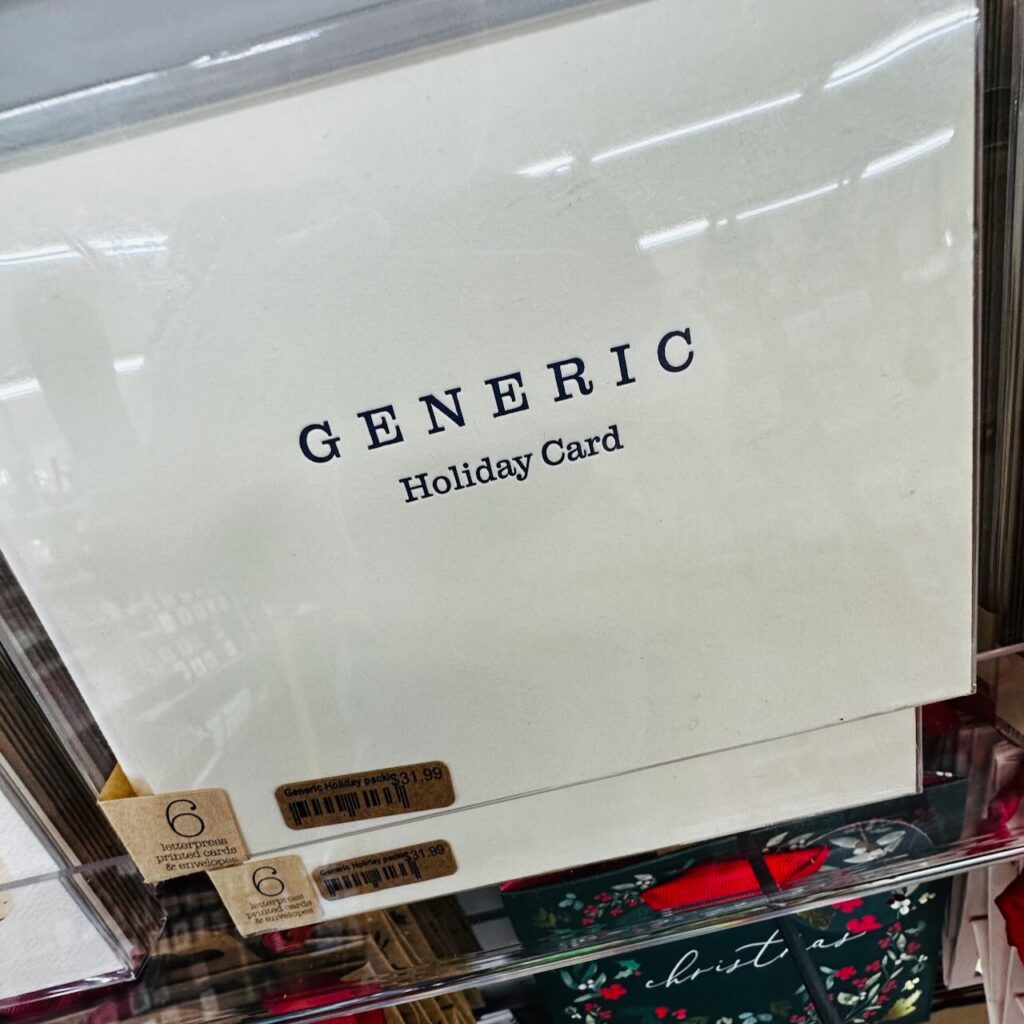







We started playing in this space two years ago and it’s grown since, without any negative imp[act on traditional card sales. We play in this space all year round now and it’s delivered more than $15,000 in additional card revenue this year.
The Lottery Office advertising push
I saw The Lottery Office being promoted on a huge billboard at Essendon Fields in Melbourne a few days ago, promoting huge jackpots. Going to their website they are pitching prices bigger than current Australian lottery jackpots.
I recall politicians saying they would ask on overseas lotteries being promoted in Australia yet here is The Lottery Office as big as ever, representing their global ownership.
The Lottery Office is Australia’s ticket to the world’s largest official lotteries.
The Lottery Office, established in 2018, is fully Australian owned and operated, licensed and regulated by the Northern Territory Government of Australia. With its Head Office in the Northern Territory and a Service Office in Gold Coast Queensland, The Lottery Office is a market leader in the global lottery industry making it the smartest way to play online with real tickets, no bets.
The Lottery Office operates under the parent company Global Players Network Pty Ltd, licensed and operating in Australia since 2003. The lottery draws and business systems are continuously audited by the Northern Territory regulator with regular processes and financial reviews.
While Lottoland may have retreated from this ‘betting’ space, The Lottery Office has not. Theirs is not a betting pitch like Lottoland.
When a player purchases a lotto ticket online in one of The Lottery Office’s official Government licensed lotteries, The Lottery Office purchases a matching ticket with the same numbers in an overseas draw. In the event of a win, The Lottery Office collects the prize amount*, and then pays the winner the exact same amount collected, guaranteed!
If I was a lottery retailer with The Lott, and gee I am glad I am not, I’d be angry at what The Lottery Office is doing since it is expensive to be a franchisee for The Lott.
$1,000,000 in sales in last week benefited newsXpress retailers
80 newsXpress retailers participated in the launch of the $2 coin Anniversary set release with the Royal Australian Mint. The $235.00 collection sold out in under a day.
Total sales = $1,010,500.
80 stores participated in the opportunity. While some took way more than others, the smallest did $10,000 in sales and achieved close to $3,500 in GP. There were newsXpress stores with shoppers queued out the front from 4am. The phones rang hot and emails poured in. While the traffic spike was challenging, the easy revenue was wonderful.
All of this for no risk, and the invoice for stock will not be due until February 2024.
The actual value of the release is greater given what else shoppers buying the coin set purchased and how many of those will return to the now discovered newsXpress businesses.
This is a terrific good news story, and example of a new revenue stream for newsagents brought to the channel by newsXpress.
This latest coin drop is one of many in 2023 from which participating newsXpress members have benefited in terms of revenue, new in-store shopper traffic generation and online sales for those with websites.
newsXpress is sourcing for its members not only coins from the Royal Australian Mint but also Perth Mint, NZ Mint and the UK Mint. Coin collectors, especially those in regional and rural Australia, are loving easier access to mint coin releases.
Coin collectors are wonderful customers to attract. They are loyal, and they purchase other items.
newsXpress is a marketing group that helps newsagents transform their businesses to be more relevant in-store and online serving shoppers today, to attract new shoppers and to run lean.
Nothing newsXpress pitches is mandatory. As you can see from the success with this latest coin release, it is easy for newsXpress members to profit well from opportunities newsXpress brings to the table. This is what a good newsagency marketing group offers.
While newsXpress works with traditional newsagency suppliers, the majority of its supplier relationships are outside what has been traditional for the channel and outside what other newsagency groups offer.
The 2024 calendar is already filling with con releases and other shopper-attracting opportunities for newsXpress members. The goal is simple: to help local newsXpress members run more enjoyable and valuable businesses.
Disclosure: I am a director of newsXpress.
Newspaper publishers are one reason newsagents are time-poor
The Australian Financial Review did not arrive at the newsagency a couple of days ago.
We let the distributor know, and gave them the number of the shop for contact.
An hour later, someone from the distributor called a different number, a mobile for someone not at the shop and not listed as a contact, to advise they didn’t;lt know what happened, there were no spare copies and that we would have to lodge a credit request with the publisher and not them.
To put in the credit request we have to log in to the publisher portal and put in a claim.
What a broken process and waste of time. It should have all been dealt with in one call or, better still, notification via a distributor website rather than what happened.
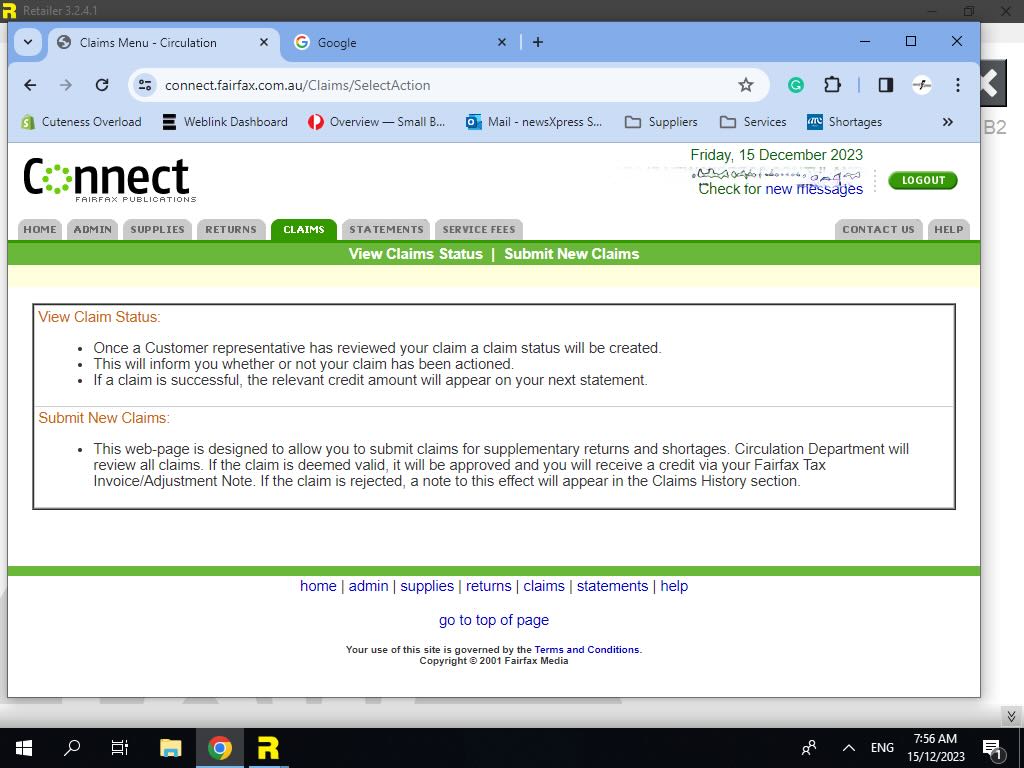
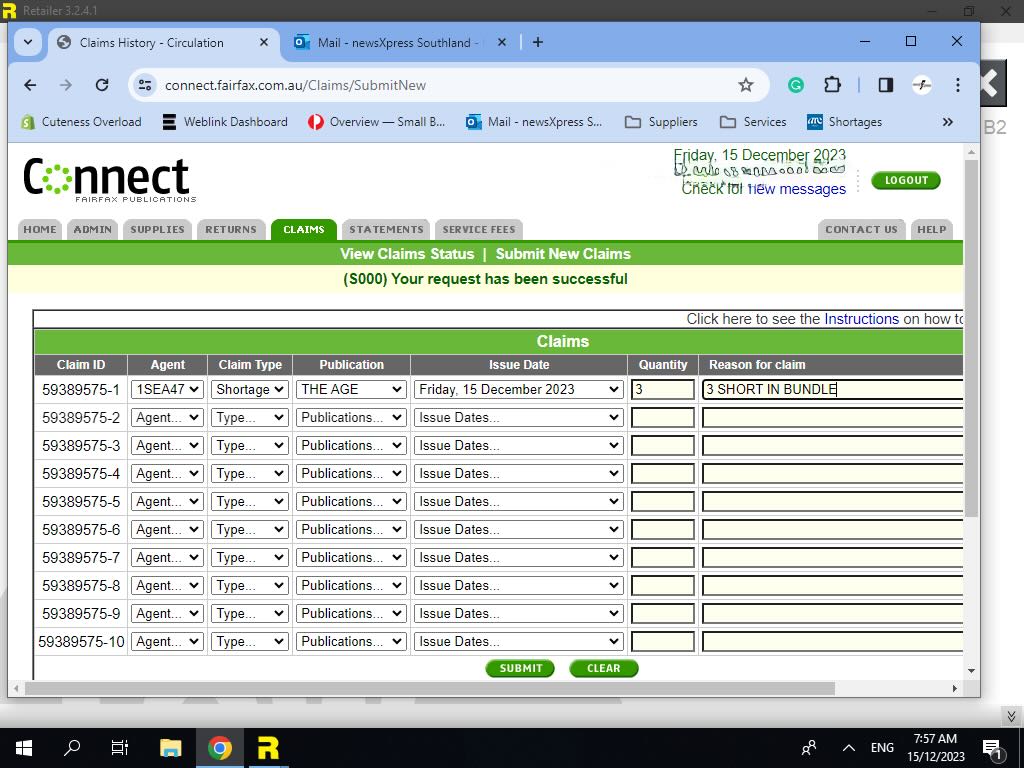
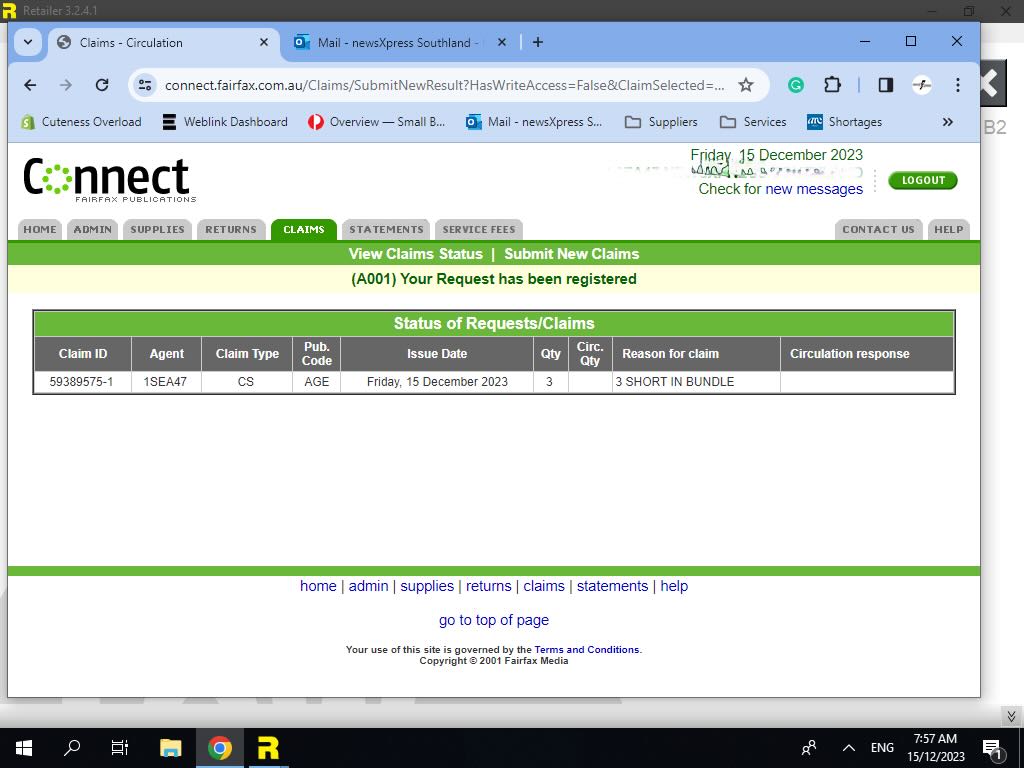
So out of date.
So, yeah, this is another example of newspaper publishers using poor business practices to steal time from newsagents.
A modest investment in technology could improve this situation considerably. It would save time in newsagencies and help them improve customer service. I expect it would save time in newspaper distribution businesses too.
Christmas in the newsagency
People are loving how Christmas flows deep into this shop in suburban Melbourne. The manager of the store has done a wonderful job delivering a true treasure hunt experience. From the moment you step into the shop you have options.
This is my shop in Mount Waverley. I am so grateful for what christ has created.
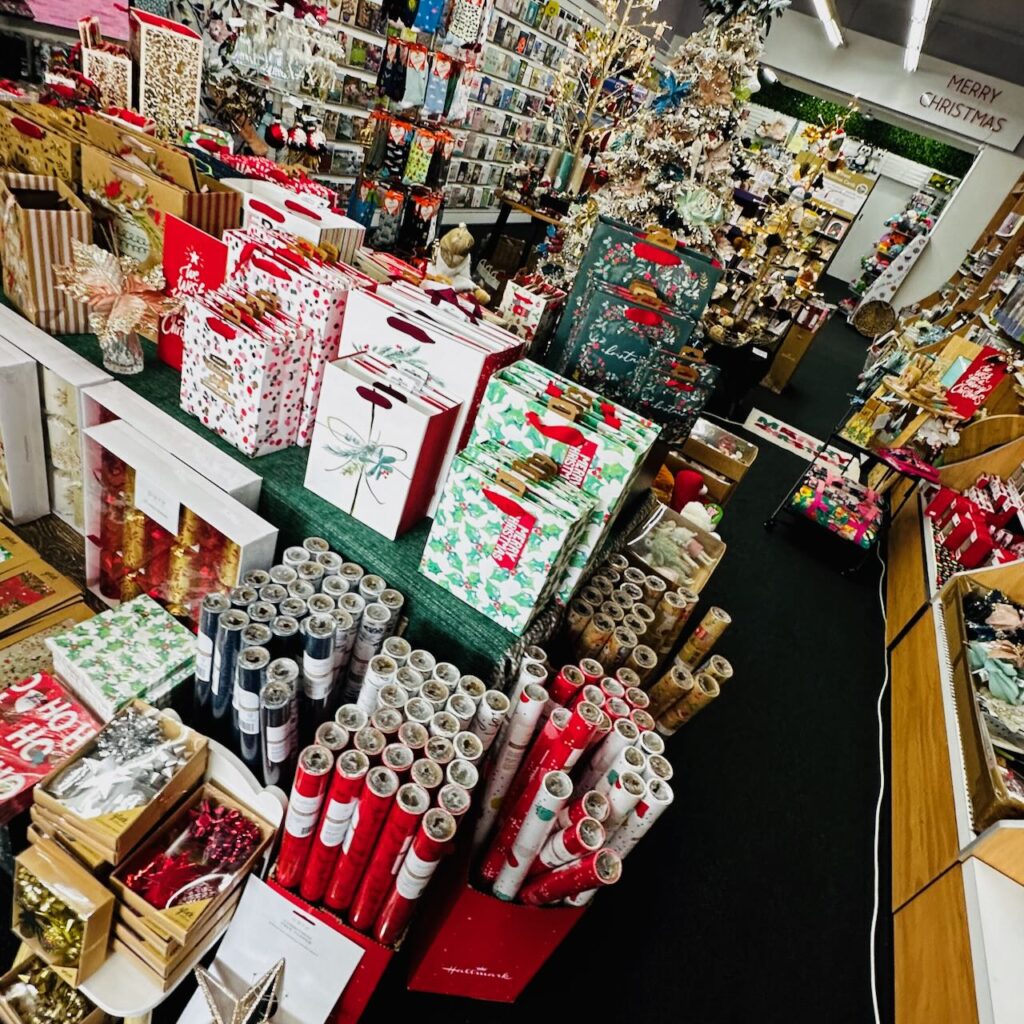
The photos do not do justice to the ease of shopping and the inviting experience.
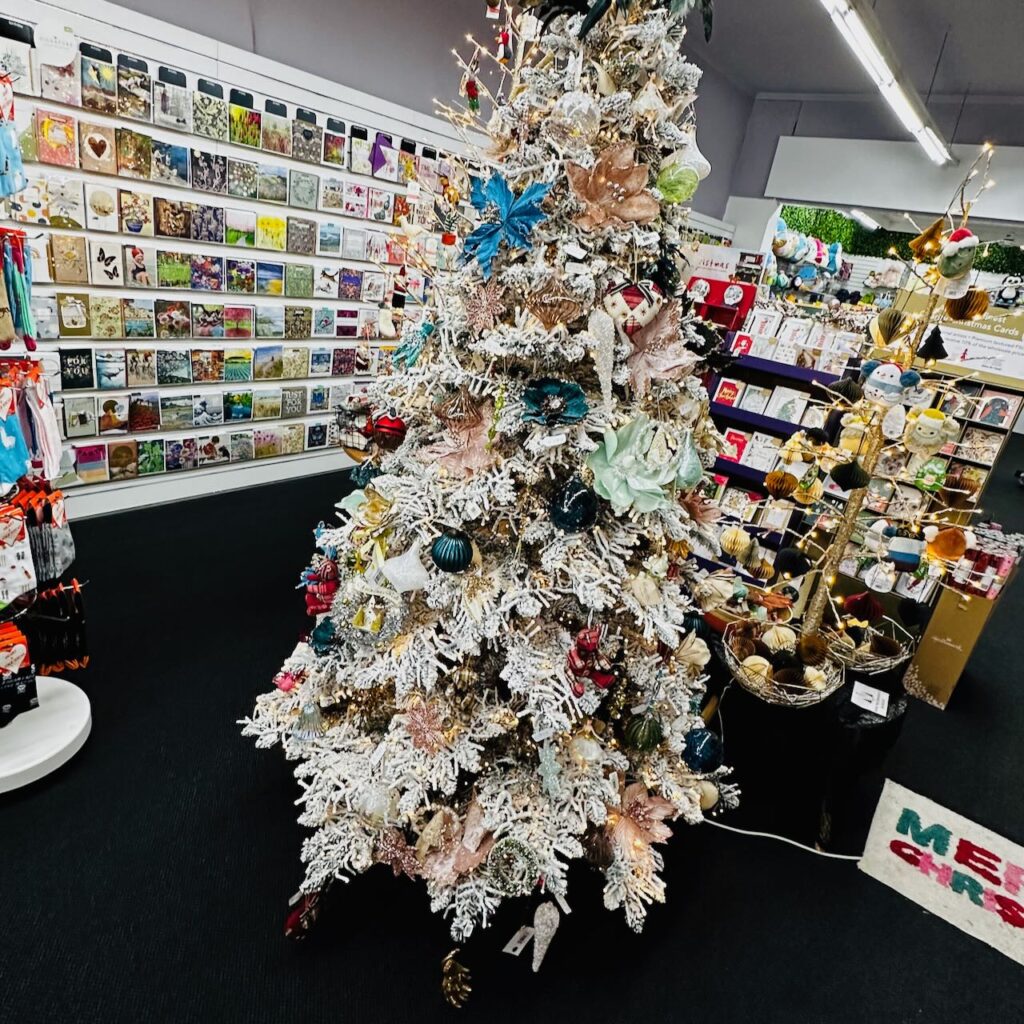
I love how he has used multiple trees for visual merchandising dining. We know that if shoppers can see a outcome they are more likely to purchase.
Over on the left wall you can see our full face card wall. This is our third iteration of this approach to card retailing and it is working a treat.
A key goal in this shop is to welcome shoppers into a happy and friendly space. We know from shopper feedback that they appreciate it.
If you’re in retail, I hope Christmas is tracking well for you.
A closer look at world’s first AI-powered news network
'Channel 1' just revealed their new AI news anchors.
All avatars and voice in this video is AI-generated.
With AI video tech improving week over week- the line between what's real and AI-generated is only going to continue to blur. pic.twitter.com/eLTaoIe1i7
— Rowan Cheung (@rowancheung) December 13, 2023
If you rely on Buy Now Pay Later in your business…
It seems more sales that Afterpay makes – the more challenging financially it is for the company: Revenue $2Bn (From $43Bn transactions) – Merchant fees $1.65Bn – Late fees $211Million (Up from $87Million) Net Loss $615Million Bad debts $475Million.
The recent launch of the AfterPay credit card and the clean out of the merchant and customer books will mean that AfterPay will look very different in 2024. It is expected to evolve into a more traditional consumer lending business with Buy Now – Pay Later being merely a feature.
Zip Pay has a big challenge in that it has to refinance $1.76B in debt next year and commentators say this will be a challenge for them. This article from 2 days ago is worth reading: https://www.bankingday.com/zip-refinancing-burden
So much for disrupting credit cards.
Meanwhile, LayBy continues to be available from many local retail businesses. It is easy to manage in the software and can help people purchase from you within a cashflow budget.
The challenge with LayBy is that the purchase can be easily cancelled. But that is manageable if you factor it into your forecasting.
Through my software company I know of many retailers offering LayBy with terrific success. There are some doing thousands of LayBy transactions each year.
LayBy setup and management is easy, structured, dependable. While there is state / territory based legislation to follow, the business you can win makes offering LayBy worthwhile.
LayBy is another way local small business retailers can differentiate their businesses from big business competitors.
Given the continuing noise in the media about the economy, offering LayBy could be a a response from your business that resonates with some.
My advice is to ensure you have your processes down and your rules in place, and that they sit within the regulations for your jurisdiction. Consider a LayBy establishment fee. This can qualify the participants. What you do here depends of the products you offer and the margin with you operate.
If you compare LayBy with Buy Now Pay Later offers from AfterPay and Zip, it can look good for you.
Do your homework and see if LayBy could be good for your customers and for your business.
Opportunity for small business retailers in the IR reforms
The IR reforms passed by federal parliament give small business owners an opportunity overlooked in much of the commentary in the media. They impose requirements on big business that take away advantages they have leveraged for years. The reduce competitive advantages of big businesses in some areas.
While we in small business, especially in retail, have had the award as our guide, plenty of big business competitors have negotiated agreements that lower their labour operating costs.
The reforms passed, as I read them, reduce the opportunity for this. Click here to see the comprehensive explanatory memorandum.
Also, since many small business retailers have fewer than 15 employees, they are not obligated under some of the changes.
Too much of the media coverage has regurgitated talking points from lobby groups, like the Australian Industry Group, Australian Retailers Association, Australian Energy Producers, Master Builders Australia, Minerals Council and some others representing big business. I don’t feel any affinity with these organisations.
If you go to the source materials on the Parliament website you can read the specifics and form your own opinion.
While there will be concern around changes relating to casuals, I think the changes are ok, fair.
COSBOA, an organisation that claims to support small business, was party to a statement Friday that included:
In addition, the changes to labour hire, also rushed through, will increase costs and complexity for business.
This will hit many small businesses and drive up prices, risk jobs and comes at a time when there are already many pressures on the economy.
I am not aware of any small business retailers who use a labour hire firm.
I can’t see anything in the changes that will drive up prices in small business retail.
I can’t see anything in the reforms that will put jobs at risk.
The changes were not rushed through. They have been on the books for months.
I get that representative organisations need to reflect the wishes of their members and be seen to be doing something. The joint statement from COSBOA and others on Friday reads to me a shouty and lacking detail, being worried for the sake of being worried.
How big businesses have used labour hire arrangements to circumvent awards is problematic I think. It has provided labour at a lower cost, disadvantaging small business competitors who did not enter into such arrangements.
Some media reports and commentators and others have complained that there was no consultation. A quick search online shows that the changes were forecast months ago. Submissions were sought and consultation opportunities were available.
From a small business perspective, if you have less than 15 employees, you’re unlikely to be impacted. If you pay according to the award, you’re unlikely to be impacted. The most contentious issue will be if a casual wants to transition to a more permanent arrangement. It you appreciate them, it’s a good think I think.
But let’s go back to the topic of labour hire arrangements by big businesses. This is about containing the cost of labour to maximise business profit. I’d rather employees have more money in their pockets than the big businesses they work for as the employees are more likely to spend their money in ways that local small business retailers benefit.
My advice to anyone who may think they have an opinion about the IR reforms, read the source material and form your own views on that rather than taking what you read from a news outlet.
The all important window display in retail
I am grateful for the opportunity to see the Christmas window displays at Galeries Lafayette in Paris last week while there for a retail tech innovation conference. Here are some of the many highlights on show at this stuffing retail business.



These displays caught my attention, as any good window display should.
Travel is wonderful for broadening your horizons. This is especially true when looking at retail in Europe. Their aesthetic is quite different to what is common in Australia.
While the videos and photos I have shared here are from a large department store, in local indie retail I saw some excellent window displays and shop floor promotions.
Newsagents ripped-off by News Corp Taylor Swift magazine terms
Newsagents selling the Taylor magazine from News Corp from this Saturday, December 9, for $9.95 make just 10% out of which we have to cover labour, retail space, EFTPOS and theft costs.
Depending on the payment method, newsagents can lose between 1% and 6% of a purchase price in fees. At the high end it would leave 39.8 cents, 4%, from which to cover labour and theft.
Labour on circulation products sits, on average, at 12% of overall revenue and theft sits at somewhere between 3% and 5%.
The Taylor magazine will be loss making for plenty of newsagents. Thanks News Corp.
What News Corp. is doing here setting a 10% commission / gross profit percentage is disrespectful of local small business newsagents. It does not allow newsagents to even make a living wage from selling this title.
All of this from a company heavily invested in shouting (yelling) at the federal government about cost of living. Yet, here they are financially harming newsagents in terms of cost of living.
I wonder how Taylor Swift and her organisation feels about the financial arrangements imposed by News Corp on local small business newsagents and their use of her name and brand to do so.

I am confident the News Corp. has it within its business capacity to treat local small newsagents more fairly with this Taylor Swift title. For a company so opinionated about others and their masthead commitment of we’re for you, their actions speak other words: selfish, uncaring and certainly not for local small business newsagents.
Their pitch to newsagents is gushing:
Taylor Swift fever has swept the globe during her epic Eras Tour, and now it is nearly time for Australia to bask in her glittering glory.
Celebrate the iconic singer with this special 100-page souvenir edition magazine with bonus poster inside.
Ahead of her concert dates in Melbourne and Sydney in February 2024, the Taylor magazine is packed with 100 glossy pages of details about the Eras Tour, the evolution of the singer from sweet country star to global sensation and a deep dive into her music.
Also in the souvenir edition magazine Taylor:
- Discover how big a Swiftie you are with our Taylor-made pop quiz
- The men (ahem, Travis Kelce, Harry Styles and Joe Alwyn please step forward) who have played a starring role in her life
- Her jaw-dropping red carpet fashion moments
- Plus, the records she has smashed as one of the world’s top entertainers
Taylor magazine is on sale from Saturday, December 9, for $9.95 at participating newsagents, Coles and Woolworths.
I wonder what the terms are for supermarkets Coles and Woolworths. While their margin may be the same, is News Corp. paying their a ranging or stocking fee, a promotion fee or offering some break in ad rates to compensate as I doubt that these supermarket giants would sell this for 10% only without any other financial benefit for them.
Taylor Swift has a track record of doing good where she travels and performs, helping local charities. her generosity has been well documented. If only News Corp. seeking to profit from Taylor’s fame was even modestly generous to local small business newsagents when it comes to the sale of this special Taylor magazine.
News. Corp is treating newsagents as if it is the 1950s. It is disrespectful. It demonstrates a lack of care for our channel.
If News Corp did care about newsagents they would offer this product at a considerably better margin.