Interesting history about UK newsagents, and comics
A short history of newsagents and how you bought your American comics from them. https://t.co/pubEBrroWA
— Glenn Miller (@FakeGlennMiller) May 23, 2023
A short history of newsagents and how you bought your American comics from them. https://t.co/pubEBrroWA
— Glenn Miller (@FakeGlennMiller) May 23, 2023
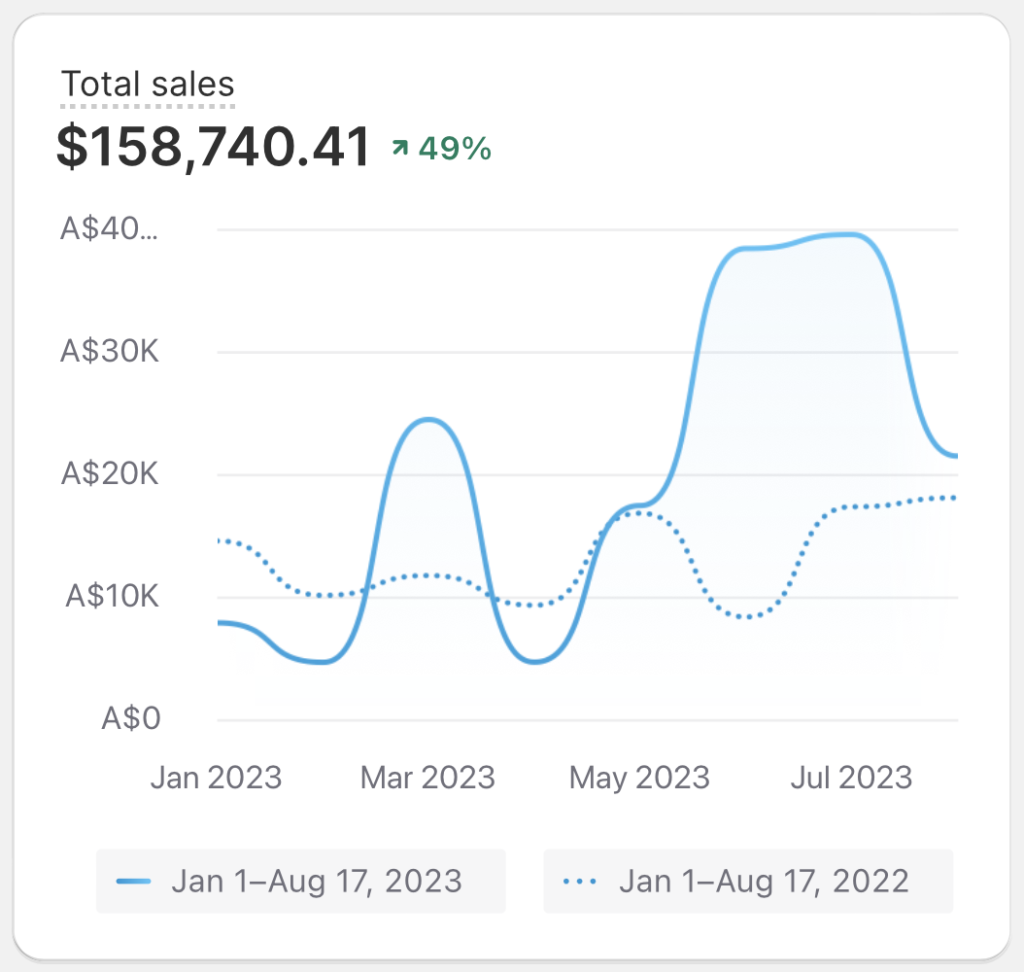
The Vegemite brand is having a moment in the sun thanks to the anniversary this year. Licenced product is selling very well, including the mint coins.

The 100 Years of Happy Little Vegemites – Six-Coin Uncirculated Year Set 2023 and the 100 Years of Happy Little Vegemites – Six-Coin Proof Year Set 2023 are both selling well. Just today alone we have sold more than $600 worth in one shop. People travel for them, and they purchase other items at the same time.
I did not expect this iconic brand anniversary to go this well.
With the federal government set to announce today plans to regulate buy now pay later (BNPL) products under the Credit Act, it could be timely for local independent retailers to pitch LayBy.
The use of LayBy dropped away as BNPL like Afterpay, Zip and others offered shoppers easy access to finance for immediate purchases. While BNPL is used for many products outside the scope of LayBy, I expect the use of LayBy to increase once the BNPL regulations are in place.
While the ACCC defines the LayBy arrangement, LayBy is regulated at the state / territory level. In Victoria, for example, the regulations cover the contract, cancellation, price chan get and more. The level of regulation varies between the states / territories.
There is sure to be plenty of noise about the regulatory changes. I can hear some apologists for the BNPL businesses calling the moves those of a nanny state, lobbyists for the BNPL companies themselves saying that misbehaviour by a few has led to this and oh, self regulation would be better.
As a retailer, I like the BNPL products in that they helped drive terrific sales growth and they provided a level of shopper stickiness with regular BNPL users choosing shops based on their acceptance of the payment method. In one of my online businesses doing close to $500,000 a year, BNPL is the payment method for more than a third of all sales. At Christmas time that can jump to 50%.
In physical stores, the use of BNPL varies by retail channel, but it is a popular payment method, but often expensive to the retailer. Whereas credit card payments today typically cost retailers less than 1%, BNPL payment can cost as much as 6%. The benefit to the retailer is that there is no risk should the shopper default.
The anticipated BNPL regulatory changes give local retailers the opportunity to re-pitch LayBy. But first, we need to ensure our processes are fit for purpose, smooth, understandable, appealing to shoppers and economically viable for us. This is where retail management software comes into play. POS software can offer easy structuring of terms and conditions, managing the appropriate deposit, set different expiry terms for a LayBy based on the products in the LayBy, track payments, following up missed payments and tracking where LayBy products are stored. Plus, you can edit a layBy once commenced – by adding and removing stock, and you can manage partial collection of items in the LayBy.
Introducing a LayBy service fee could be a good way to qualify the LayBy shopper and cover some of the costs involved. There are retailers in Australia charing from $3.00 (Target) to $15.00 (Big W) in LayBy fees. Depending on how you structure it, this could be in addition to a cancellation fee.
My advice to retailers is to focus more on the expectation that all LayBys will be fully paid and collected on time, to consider LayBy as a positive service by the business and opportunity for the customer. Promote it. Welcome its use. Make managing it easy for you and the shopper.
Local retailers can make decisions around offering LayBy that could differentiate their businesses from bigger retailers.
News outlets will carry stories of the BNPL regulatory changes as they make their way to reality. This is why now would be a good time to pitch LayBy in-store and on social media.
While I get that many newsagents are reducing space commitment to magazines on the back of declining sales, at my Malvern store sales are growing. I think this is in part due to our out of store promotions like the video below that we released yesterday.
In one of my other newsagencies we have no magazines while in may third we have 250 pockets, which is under review.
This video shows part of the Malvern range.
This video is part of a weekly promotion outside the shop of magazines, designed to attract new shoppers – and it’s working for us.
It took me all of ten minutes to shoot the video on my phone, strip out shop sounds using iMovie, load it to promo.com, enter the text and lay a music track over iot. Now I have a video that I will use in several places several times over the next couple of weeks.
No other retailer anywhere near our malvern shop is promoting magazine range.
Our crossword sales in the newsagency are up by 29% to $3,343.00, or 308 in unit sales.
There are 2 things we have done that, I think, have helped drive this:
Yes, I am disappointed that we continue to only make 25% GP and that cover price movement has been minimal, not keeping up with inflation. That said, the growth from a small effort is terrific.
I can’t be sure as to why we are seeing this growth in crossword sales. If it is wider than our newsagency then I suspect it is related to the economy or how people feel about the economy at least. If it’s just us then what we have done has to be key here. I do think our small but targeted actions have played a key role.
Overall magazine sales are up 6% year on year, making the 29% growth for crossword titles worth consideration.
While I’ve only seen sales reports from a small number of newsagencies so far, an interesting stand-out in the Mother’s Day card sales is the growth in Mother’s Day Lifestyle cards. It is significant, noticeable. Now, that may have to do with supplier segmentation. It’s too early to tell.
More broadly on the season, the results appear to be okay, not brilliant, bot okay … up on last year.
Outside of Mother’s Day, I am seeing continued good growth in everyday captions, 10% and more. 2023 is developing as a good year for card sales.
Now, this is relevant because of the barriers newspaper publishers place in front of those who wish to cancel their subscription. Both News Corp. and Nine Media deploy time wasting barriers to those wishing to cancel a subscription, I’ve experienced it myself. As the video shows, an AI bot has more energy for the process.
Here is a DoNotPay GPT-4 bot negotiating with the New York Times to cancel my subscription.
It is ridiculous you have to chat with a customer service agent to cancel.
Fortunately, A.I. will end dark patterns, because it doesn’t give up as easily as a human! pic.twitter.com/lUNqtJQ9Pb
— Joshua Browder (@jbrowder1) May 12, 2023
For decades, major card companies in Australia won new business by offering a rebate on purchases, and we all loved it.
Newsagents would change card companies because of a bigger rebate offer. Oh, that and ‘interest free’ loans we could draw based on anticipated rebates.
What many of us soon realised is that the rebate is worthless unless you sell the cards as it is only when you sell something that you bought at a discount off wholesale, which is, after all, what a rebate from a card company is, that you bank the rebate value.
Switching to a new card company because of rebate could be a mistake unless their cards sell as well as or better than what you have today.
The main reason to switch card companies in my view is to sell more cards.
It’s only when you sell cards that you make money.
Already in 2023 we have seen enough trading to consider 12% year on year growth in card sales as a reasonable benchmark against which to compare your newsagency business.
If a card company’s main pitch is the quantum of the rebate, my advice is question why they pitch this ahead of the actual products.
What you want, and need, is cards that drive new traffic and more purchases in each visit, you want product that perform above average. This is about card company choice and about how your in-store range is managed – two quite different things.
Cards are the best margin products in our businesses. They deserve our active management attention.
My advice is check your year to date performance against 2022. Are you up 12%? If not, think about what you might do about that, and consider it in the context of any rebate pitch put to you.
This has been on my mind because of conversations with some newsagents recently where rebate was the topic.
One stuck out – they said they would not switch unless a card company matched their current rebate. Their card sales are down 9% year on year. That decline is twice the overall business decline, meaning there is a problem with card range. They refused to look at any other supplier, thereby =not considering that range might be the issue.
I see any rebate as a pot I can draw from to help drive card sales, and I do that to fund a loyalty program, and more. each month I am seeing terrific results, like for April.
![]()
Yes, that’s 19% growth in 2023 over 2022. If I compare back to 2019, cards in this business are more than 50% up.
I know that if I get the card story right in-store and in socials pitches not only does that department benefit but the whole shop benefits because of card shopper dwell time. And, all that flows to margin dollars banked, which are far more value than the promise of a rebate in the hope of selling something.
This post is not about any specific card company. I am not suggesting you switch to any specific card company. My advice is that you make your business decisions on what you bank, and that spends solely on sales.
Join me via Zoom Tuesday May 16 @ 11am Melbourne time for a Newsagency of the Future workshop.
I will share up to date retail newsagency performance data, sales data from outside our channel for categories allied to what we do, thoughts on the rest of 2023 and into 2024. I will also cover some trends into the future that present opportunities.
There will be an open Q&A.
While Covid continues to circulate, it is over from a disruptive perspective. I think there are things we can leverage from the pandemic experience. I also think there are category opportunities for growing business GP% and attracting new shoppers.
I am not running the session to sell you anything, or to get you to sign ups to anything. My sole motivation is for the retail newsagency channel to be strong, vibrant.
It is a competitive world out there and I think all of us in retail newsagency businesses can do better.
Here is the link:
https://us06web.zoom.us/j/84982771189?pwd=RWdRM0s3bENpZ2F5UGxNblkzKzN3QT09
Meeting ID: 849 8277 1189 Passcode: 103292
I’ll record the session.
Anyone is welcome.
I was talking with a newsagent the other day and was surprised to discover that they discover the profitability of their business twice a year, when their accountant meets with them, and even then, the information relates to a trading period from two or three months prior.
They have no processes in place to track and report profitability more frequently. They are not looking at GP% mix, say, weekly, looking for trends.
Their reasoning is that the accountant is the expert and that as the retailer they do not have the skills to understand the business performance at that level.
Not knowing business profitability at more frequent intervals and close to the actual performance is a problem for any business.
Gross profit is the pot from which you pay rent, employees, loans and yourself. Not managing that in a timely manner can see a business slip away.
Too often I see local independent retailers get caught in a narrative no one has any money or the economy is really tough or we’re busier than ever or no that doesn’t sell. More than half the time the statements are checked with business data, which is rare in itself, the statements are not supported by the business data.
My point here is that what matters more than anything else about newsagency performance and any local independent retail business performance is what business data report, your P&L, profitability reports from your POS software, your evidence. Your business data will guide better business decisions. Waiting a month or two for an accountant to provide their take on what they see is too long.
If you own a newsagency you need to be serious about your business data as it sets you up for trading profitably and selling more easily when that time comes.
So, are you making money in your newsagency?
Seek out that information and establish processes for you to have easy access to the information regularly. If you are not making money, your only option is to make changes in the business. There is never a real barrier to making such changes.
Fixing profitability starts with knowing where you are at.
In his 1960 book, Reality in Advertising, Rosser Reeves, a respected US advertising executive, introduced the world to the concept of the Unique Selling Proposition, USP for short.
Reeves defined USP in an advertising context:
In the 1960s and 1970s, the concept of a unique selling proposition evolved from being essential to advertising to being essential in business. Finding your business USP was considered mission critical to businesses, retailers especially. Businesses drifted however and forgot about the importance of a USP.
Today, it is common to see ads with we will not be beaten on price or if you find it cheaper elsewhere we will sell for 5% (or more) less. These pitches are from lazy marketers who think price is the most important USP and while it is a factor to some shoppers, value is often about much more than price.
Jack Trout told us a few years ago that USP was relevant today. In 2000, he said that a Unique Selling Proposition was mission critical in business in his aptly titled book Differentiate or Die: Survival in Our Era of Killer Competition.
Differentiate of Die. There is no doubt about the call to action in the title, no doubt about the consequences of inaction.
Yet many retailers, for the most part, have remained still in the face of an onslaught of competition. Some newsagents have remained still.
Retail is complex, challenging and changing rapidly today. The differences between competitors fewer. Retailers are surrounded by competition and it grows by the day. Yet many have remained still and done nothing.
Our channel continues to be confronted by the migration to digital, more local retail competitors and online shops selling what we sell. Those who have stood still feel the impact more than others.
Smart retailers are re-acquainting themselves with the writings of Reeves and Trout and leaning about the mission critical imperative of having a Unique Selling Proposition.
Differentiation could be service, products or location or a combination of these. Differentiation will most likely not be price as anyone can match this easily. Price is, after all, the last line of defense in any business battle. That said, there are some major price-focused success stories – WalMart for example. It is rare in an independent retail situation.
To develop your USP, engage with your employees and other stakeholders. or, do it yourself with your own deep dive into what you want your business to stand for. This is leadership. Take your time. Determine what you and your business stand for. Following open and honest discussion and debate, the USP around which everyone in the business can willingly congregate will emerge.
A good USP will not require an advertising campaign to communicate. It will become obvious through actions and decisions. By living the USP in every facet of the business you soon become seen as unique by shoppers and this can drive excellent word of mouth and success for the business.
While differentiation in retail is more important today than ever thanks to today’s economic conditions, the approach to the challenge is the same as in the 1960s.
If you are not sure where to start when considering your USP, look at your POS software and the data it curates about your business for in that data will be insights into your points of differences things you can cultivate to have a stronger USP.
Your POS software is a good place to start as your shoppers show you through their behaviour what they like and don’t like about your business.
No one can tell you what your USP should be. It has to come from you, from inside your business. It has to reflect what you believe, how you want your business to be seen and known.
Here are some things that are not a USP.
And while we are considering lists, here are some less than ideal things in business that could be a USP – note the strikethrough the S as they are not selling propositions but, rather, customer turnoffs that a retail business could become known for (in a bad way):
Here’s another list of some easy USPs:
It can be tough coming up with something genuinely unique. But, once you have it, it can be worth the work.
Take your time. Do it yourself. Be the leader your business will love.
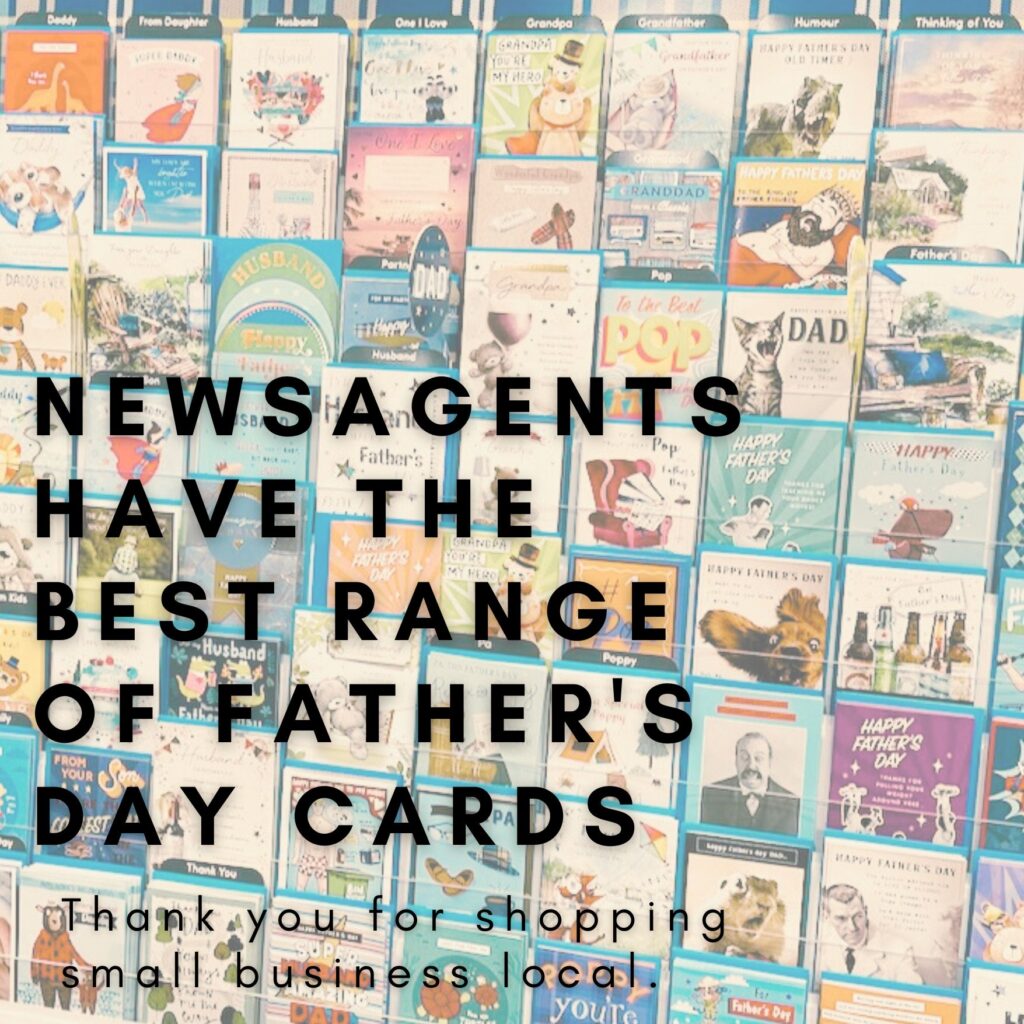
Looking at the Mother’s Day cards we have in the newsagency, I am reminded that our channel really does have the best range, not only for seasons but for all year round. And, by range, I really mean caption depth.
Looking at Mothers’s Day, sure, there is the one card for mum you want to buy. But, then, there are cards for grand[parents, friends, colleagues and more. The more card giving opportunities we represent, the more shoppers we can reach.
I think this is an opportunity for us, to pitch depth of captions to reflect on depth of range. It’s our point of difference.
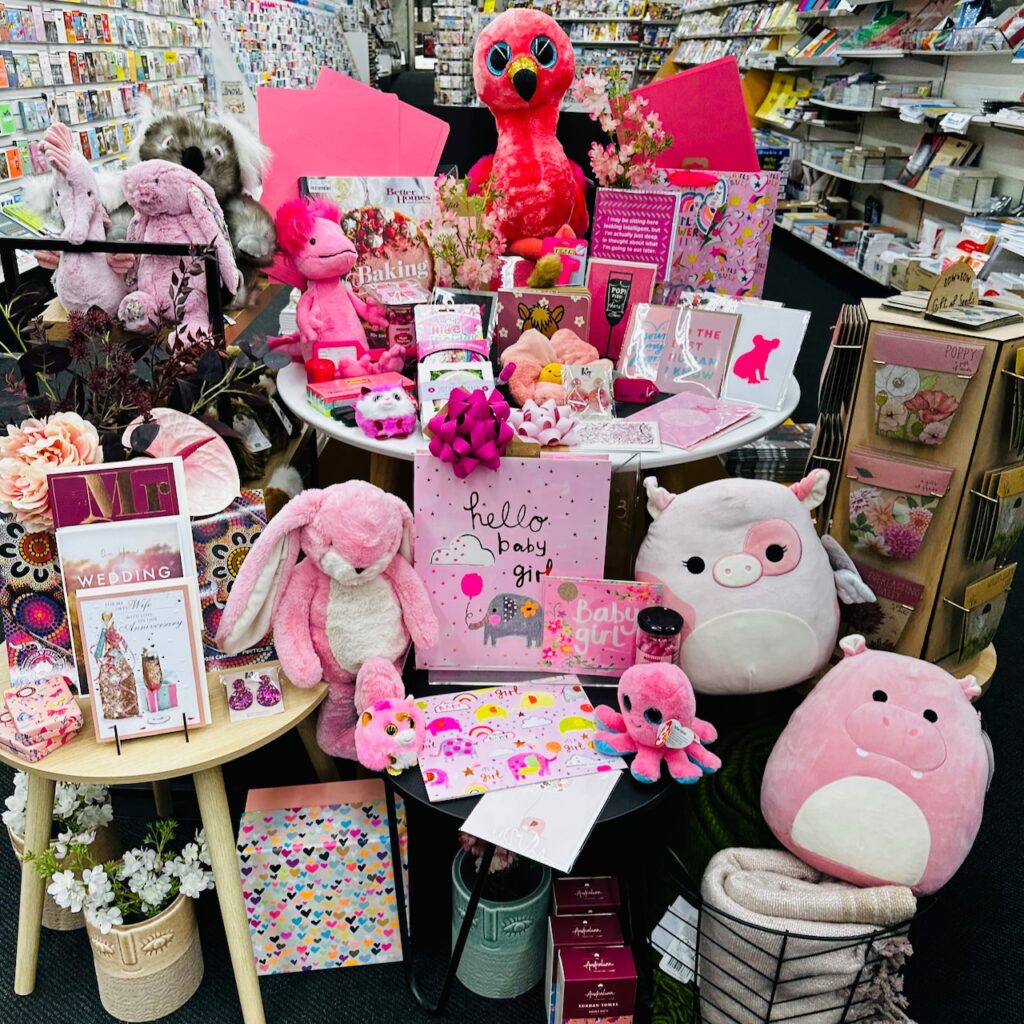
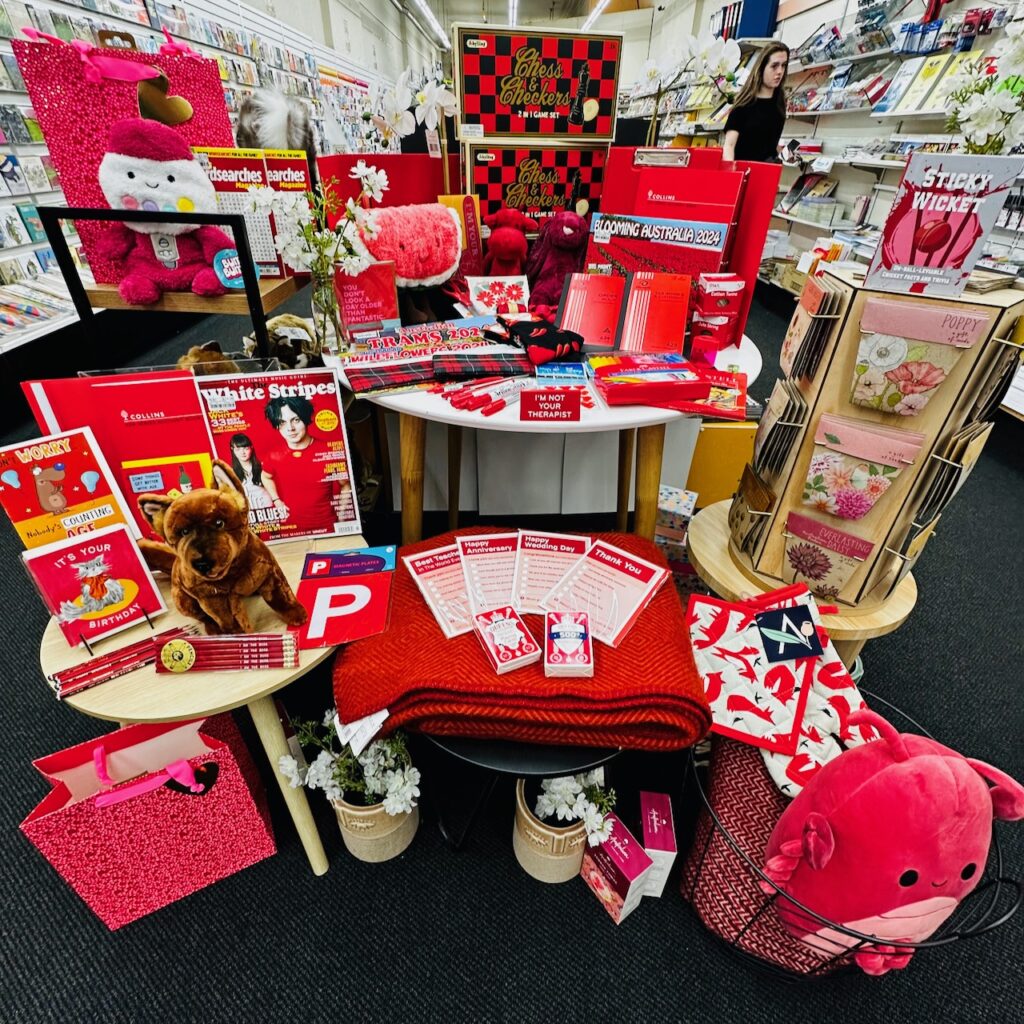
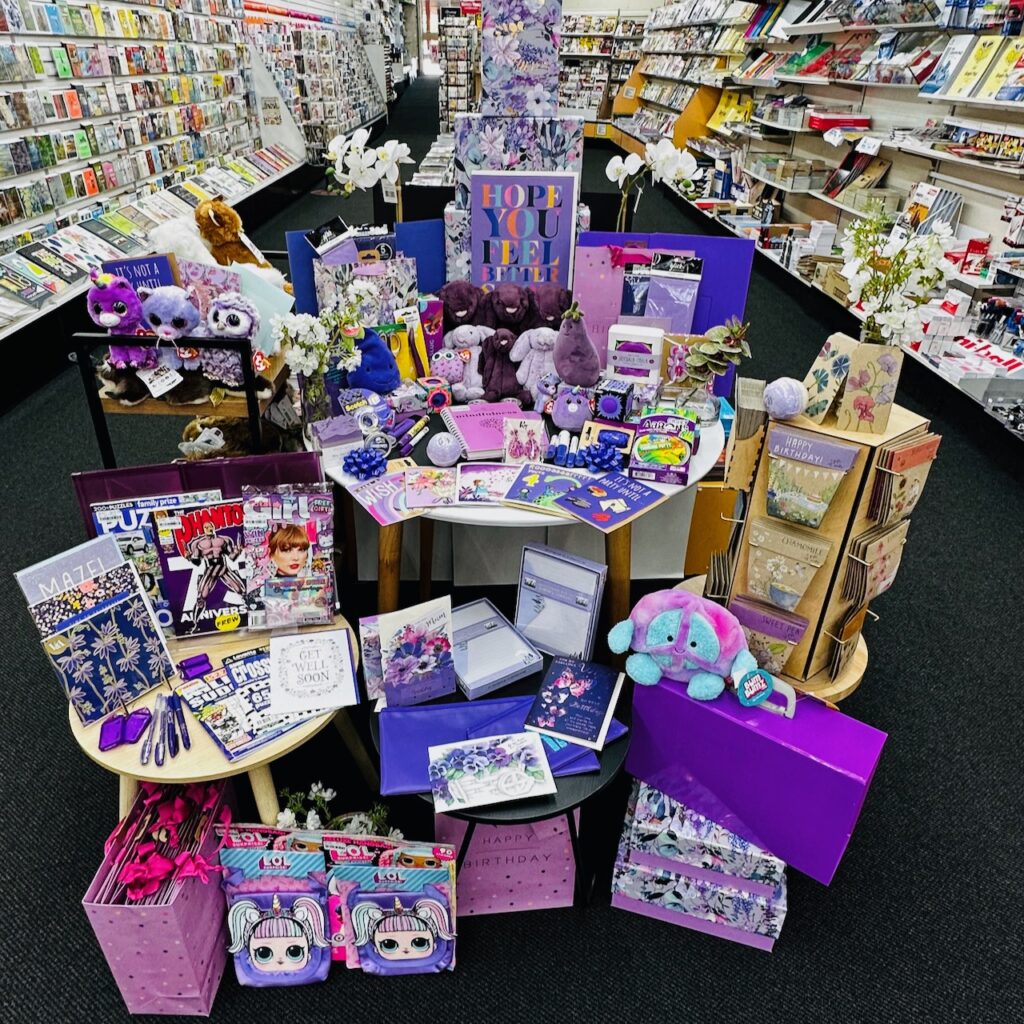
Looking at what I have in a couple of my shops this morning’s these cards are an indicator of some of the depth of card range ion a newsagency that I am talking about.

Of course, I could have included the Nan, Nanny, Nanna, Granny, Gran and Grandma cards to show range depth too.
Mother’s Day is a perfect season to show our point of difference in the greeting card space.
My POS software company, Tower Systems, serves 3,000+ retailers in the jeweller, bike shop, gift shop, garden centre, firearms dealer, fishing bait and tackle shop, toy shop, music shop, produce business, sewing shop and health food shop retail channels, as well as newsagents.
It is only newsagents who have to pay their supplier for electronic invoice data, which is ironic because coupled with the electronic invoice data is returns data that saves the supplier a tremendous amount of money.
It’s time that EDI was provided to newsagents at no cost whatsoever.
The current arrangement is rooted in the practices of decades ago.
I wonder if our supermarket competitors have to pay for this.
This tweet from the folks behind Artlink magazine would have taken a minute or two and cost nothing. Here they are pitching to their community that the new issue of their magazine is out and available at newsagents.
I wish other Aussie magazine publishers would be this engaged.
Artlink is stocked in galleries, museums, bookstores and newsagents around Australia and Aotearoa/New Zealand. Here is Una holding up our past ‘Sensoria’ issue with the lovely Louise from Campbelltown Arts Centre, who is wearing an iconic Wart t-shirt. pic.twitter.com/sT6OszjaSs
— Artlink Magazine (@ArtlinkMagazine) May 2, 2023
The news that the federal government will move to ban non-prescription vape products in Australia brings clarity to a challenged retail category.
I do wonder what compensation will be offered to vape shops that have legally flourished in Australia. I suspect it will vale to state and territory governments to resolve this.
For what it’s worth I’ve advocated newsagents not get into the vape space as I felt it was always going to be more heavily regulated.
Given the news from the federal Minister for Health last night, now would be a good time to scale back if you are in this space.
It does come back to the question about the type of retailer you see yourself as being and the types of customers you want to attract. You’ll do better focussing on better margin new traffic attracting products.
As has been the case with tobacco retail for decades, price drives vape product sales. On price, it is tough for indie retailers to win. We do so much better focussing on higher margin products that people love and love giving.
It was galling to watch the president of the Pharmacy Guild weep and moan on TV last week about the planned changes to more efficient prescription access to 300 drugs on the Pharmaceutical Benefits Scheme.
The planned changes mean people accessing these medications will be able to get 60 days worth of their medicine instead of the current 30 days worth, meaning one dispensing visit for 60 days instead of two.
I get that pharmacists will lose some revenue. Those needing the medication will save time and costs involved in getting out to collect them. The government will save costs.
I think the gains for consumers and government (taxpayers) outweigh the modest cost to pharmacies.
If you believe the weepy president of the Pharmacy Guild, this move will end some local pharmacies. If that the case, the businesses must not have been strong enough to start, they must have been relying on their government protected monopoly.
In my opinion, pharmacists have been protected for too long, and at too much of a cost to Australians.
24 years ago Aussie newsagents were stripped of the monopoly they had over local newspaper and magazine distribution. This was taken from us under the guidance of the Howard Coalition (Liberal / national) Government. It was taken from us without any compensation. The cost to the value of local newsagency businesses was tens of millions of dollars in business valuation and tens of missions of dollars of revenue.
Good retailers in the newsagency channel thrived. The deregulation made them evolve from agents into retailers.
While kicking the protection crutch of protection hurt and demonstrated a lack of care for local small business retail by the Howard government plenty of us got through it. For sure, compensation would have been good. But, maybe those leading the channel at that time did not have the skillset to achieve anything for newsagents. We’ll never know. It’s 24 years in the past now.
So, back to the pharmacists, while they can moan and complain, and cry, the reality is that the current approach to dispensing prescriptions is inefficient and expensive, to the benefit off protected pharmacists. Making them more efficient and saving money have to be a benefit to the health system and to Australians more broadly.
Local retailers I have spoken with since the tears were shed on TV a few days ago offered no support for pharmacists. It seems to me like they over-egged their response to what feels like a reasonable move.
In the 23 years since deregulation, as I have often covered here, newsagents have benefited from relying less on protection and more on being entrepreneurial. Most in our channel today have stable businesses, plenty are growing, with the growth com ing from decisions we make, rather than some legacy suppliers.
Footnote: I do understand that in some settings, particularly in regional and rural Australia, and in genuine community pharmacies, the move may present some challenges. I suspect that if you look at actual financial details in those businesses you will see the impact will not match the emotional outpouring of some in the last week.
With 1,750 newsagencies in the Tower Systems newsagency software community, it’s the industry standard software solution. While, for sure, there are a couple of other software programs being used in newsagencies, the scale of the Tower newsagent community sets it apart. I an grateful to newsagents for their trust and support and proud to be part of the channel as a supplier, and as a newsagent.
Here’s a recent demonstration of this $185.00 a month software for newsagents:
And here’s another from a few weeks prior to that video:
And here’s a video promoting newsagents to the broader Aussie community:
And here is another video I made and promoted on YouTube to pitch the Aussie newsagency channel:
Plenty of Aussie newsagencies are thriving and I am grateful that my newsagency software company plays a role in that.
Here’s what the $185 a month provides:
From a newsagency operation specific perspective, though, this newsagency POS software handles to best practice industry standards for areas such as magazine management, magazine returns, newspaper subscriptions, newspaper home delivery, magazine putaways, supplier electronic invoices, customer special orders, Epay integration for selling phone vouchers and other electronic vouchers.
Folks who run traditional newsagencies love the software because it handles the traditional requirements well. Folks who run newsagencies that are different, outside what is usual love the software, too, because of how it serves outside what has been traditional for newsagency businesses.
Tower Systems is a unique newsagency software company in that it owns and runs newsagency businesses. The company bought its first newsagency in February 1996. It has owned newsagencies ever since – using its newsagency software, walking in the shoes of customers, providing all staff with a live testing space and learning more about the software / retail business interface in a way that is valuable for all Tower Systems customers.
Beyond the newsagency software itself, Tower Systems helps newsagents with marketing advice, theft mitigation advice and a range of other management level supports and assistances. We believe in this quintessential Australian retail channel and appreciate opportunities to genuinely help newsagents run better and more successful businesses.
This full face display of Mother’s Day cards in the front window is attracting passers-by into the newsagency on the busy Glenferrie Road in Malvern. That was the plan, our hope. It looks like paying off.
In December 2021, this space was taken by a drinks fridge, and ice-cream fridge and a stand of AWW cookbooks. Slowly we have change what’s here, culminating in the installation of this card wall a few weeks prior to Easter.
I think there is nothing better than awesome good margin products attracting shopper traffic from off the street. It’s a bonus if they are habit related products, products from a category for shoppers could return to you.
.
This shop is in a highly competitive location for cards with two newsagencies nearby, several supermarkets, more than 15 card and gift shops and an Australia Post outlet also with a good range of cards. We have the biggest range in the area, but it’s located in the card department inside the shop. I knew we had to bring a card pitch to the footpath.
While our card suppliers have been supportive, we funded this new fixtures ourselves, so that we control the use of the space. This will be especially critical with how we use the space outside of seasons, especially in the retail valley between Mother’s Day and Father’s Day.
On the space itself, we have the capacity to extend it to the left, to almost double the space. This will be needed for Christmas.
A bonus of this new card wall is that we no longer need seasonal card floor units. This frees up floorspace and assists traffic flow. Also, on the new wall, cards are better presented and more easily shopped than in a floor display unit.
While the pitch in the front window of the newsagency right now is Mother’s Day cards, it will change from may 15 to a different card offer.
We used a handyman to install the slat wall, this was a fraction of the cost of a shoplifter. We are frugal in managing our capital investment in this business, and in each of our shops. Our approach tends to be: make a change, measure the result, if good – move forward, if bad – re-group.
Too often over the years I have seen retailers access funding for a new or partial fit out and too much of that money be spent on changes that will not pay for themselves in 3 years. Funding it out of your own pocket makes you more cautious about the spend.
Be frugal. Follow your data. Take small steps. Back yourself over tradition.
Yes, a shoplifter may have created for us something more grand. I doubt it would have delivered a better financial return though.
While our shops are a reflection of us, they should not be a shrine or a showpiece, unless that makes money, turns a profit in the investment, in 3 years or less.
Footnote: some suppliers will be keen to engage with you on changes in your business. For sure, listen to them, but, it’s your business, not theirs.
Join me via Zoom Tuesday May 16 @ 11am Melbourne time for a Newsagency of the Future workshop.
I will share up to date retail newsagency performance data, sales data from outside our channel for categories allied to what we do, thoughts on the rest of 2023 and into 2024. I will also cover some trends into the future that present opportunities.
There will be an open Q&A.
While Covid continues to circulate, it is over from a disruptive perspective. I think there are things we can leverage from the pandemic experience. I also think there are category opportunities for growing business GP% and attracting new shoppers.
I am not running the session to sell you anything, or to get you to sign ups to anything. My sole motivation is for the retail newsagency channel to be strong, vibrant.
It is a competitive world out there and I think all of us in retail newsagency businesses can do better.
Here is the link:
https://us06web.zoom.us/j/84982771189?pwd=RWdRM0s3bENpZ2F5UGxNblkzKzN3QT09
Meeting ID: 849 8277 1189 Passcode: 103292
I’ll record the session.
Anyone is welcome.
It’s an easy complaint for a retailer to make – my EFTPOS merchant fees are too high, it’s not fair, time for me to consider another supplier or to consider charging customers a surcharge.
Customers hate surcharges, especially if there is another retailer selling what you sell who does not charge a surcharge.
Every method of payment has a cost, including cash. In my experience working with retailers, the cost of cash is higher because of theft. However, it is not easily seen, especially in retail businesses that do not research or teach theft.
To address the cost of EFTPOS merchant fees on a retail business, you need to be an engaged retailer. Here are some ideas:
It’s easy to complain over EFTPOS fees. But … before you do that, look at your own behaviour. Here are common points in retail businesses that retailers overlook when they complain about a supplier or service related cost. These are things I regularly see ignored in favour of complaining about someone else:
The items on the above list are all on the retailer to address. The benefit is that addressing these results ins a stronger, leaver and more valuable retail business.
Adding a surcharge is an easy step, but the wrong step in my view as doing that could shield you from more important and valuable business moves you can make.
There is an interesting discussion in the UK at the moment on newspaper prices and margin for local newsagents. This story from the Press Gazette sums it up.
Newsagents ‘could review selling’ some titles after price rises and margin cuts
The Federation of Independent Retailers has raised the prospect three times since December.
The Federation of Independent Retailers has again raised the prospect that its members may stop stocking some newspapers after The Guardian raised its weekday cover price to £2.80 but lowered the margin kept by newsagents.
It is the third time since December that the trade body, which represents more than 10,000 businesses including newsagents, off licences and post offices, has made the suggestion in public statements.
Newsagents receive between a sixth and a quarter of the cover price of each newspaper they sell. However, almost all national newspaper publishers have lowered these proportions over the past decade as they have simultaneously raised cover prices.
Press Gazette research in January revealed how UK national newspaper cover prices have sharply increased in the last decade as publishers have sought to counter the impact of falling advertising and increased newsprint/distribution costs.
The most recent warning from the FIR was prompted by news that Guardian News and Media plans to raise the price of the daily and weekend Guardian, as well as The Observer, by 30p per copy to £2.80 and £3.80 respectively while cutting the percentage margin for newagents to 21.5%.
The federation’s national president Jason Birks said: “Neither retailers nor their customers will take this news well. For retailers, this could mean reviewing the profitability of selling the Guardian against other product categories and for customers, it could mean buying the paper on fewer days of the week.
“Given the low circulations of the Guardian and Observer, this is a risky strategy indeed, which is why I have written to [GNM chief financial and operating officer Keith] Underwood.”
The Guardian has responded by encouraging stockists to enrol in its “Enhanced Margin Uplift” scheme, which boosts the amount they earn when selling papers to Guardian and Observer subscribers. The company said it believes the scheme “will mean that we pay one of the highest margins in the market to retailers”.
In March, DMG Media announced that the retail margin for the Daily Mail would drop to 21.8%, prompting Birks to say he believed that “some members may consider delisting the product and, indeed, whether they continue selling newspapers because their hard work that has kept the news industry afloat for years is neither recognised nor appreciated”.
And in December the Fed criticised both DMG Media and Reach over margin drops. DMG Media decreased the retail margin for the Mail on Sunday and the Saturday edition of the Daily Mail to 20.5%, while Reach lowered the margin across its titles to “an all-time low” of 18.5%.
“Reducing margins to a measly 18.5% will simply speed up the decline of the industry, as news retailers downgrade newspaper displays in their stores and look to other categories that demand less work but where there are greater rewards,” Birks said.
In 2013 three weekday newspapers – the i, The Times and the Racing Post – offered 25% margins to newsagents. Today the highest margin offered, by the i, is 22%.
The only paper not to have lowered its retailer margin over the past decade is the Financial Times, which still offers stockists 20% of the cover price.
As newspapers’ cover prices have risen, so have the amounts of money retailers earn per paper sold. However, the decreased margins mean they earn less than they would have otherwise.
For example, the Racing Post, which nets newsagents the most pence per copy of any weekday daily newspaper, used to earn retailers 50p a copy. It now generates 88p a copy. If the newspaper had kept its 2013 margin of 25%, each copy of Racing Post sold would earn a retailer £1.13.
Some regional publishers have kept margins steady, with National World for example announcing cover price increases in December without dropping retail terms. And in August last year, the Fed praised DMG Media for (at the time) keeping its retail margins the same while increasing the Daily Mail cover price.
While I feel for UK newsagents, we are far worse off here in Australia with margins close to half what they get in the UK. Yet, most newsagents here are publicly quiet on the appalling, disrespectful and socially selfish commercial treatment of retail newsagents by newspaper publishers.
The result of declining value of newspapers to newsagents because of falling sales and falling margins is that the products are moved to less expensive space. Senior management in newspaper publishing companies are not bright enough to understand that a different approach could reduce sales decline. But, as they show us, they know best.
Their ignorant treatment of the Aussie retail newsagency channel by newspaper publishers could make an interesting business studies for universities in years to come.
If you are looking for a Mother’s Day card this year for sure shop your local newsagency because there you are likely to find the best range of Mother’s Day cards.
There’ll be cards for mum, mother, grandma, nan, granny, and more. There’ll also be cards for people who have been like a mum to you. And, there are likely to be cards from the cat or the dog.
If you like to see the best Mother’s Day cards around, if you want a range from which to choose, your local newsagency is the place to shop.
Now, if you are thinking a text message might do, mum can’t put the text message on the mantlepiece, she can’t keep it with her other cards to look at every few years. A card is a keepsake that lasts, it nurtures memories she will love. And the cards at your local newsagency give you choice to get it right.
Our advice on shopping for Mother’s Day cards this year is:
The range of Mother’s Day cards out now at your local newsagency really is good. There are many new designs, many cards to brighten mum’s day.

We understand you have a range of shops from which to choose when buying a Mother’s Day card. Your local newsagency is the card specialist. You’re not pressured. The cards are not mixed in with groceries. Browsing is easy and you know, for sure, that you have many wonderful cards from which to choose.
Once you have the awesome card, from a newsagency of course!, here are 10 text ideas for what you could write in the card. Consider them prompts to kick off your own thinking:
Remember, what you write will last for years. Mum will look back on your words and the warmth you share today will matter in the future.
Newsagents understand Mother’s Day. We’re local retailers serving local communities and as such we are close to our shoppers. You buying a Mother’s Day card from us, from any newsagency, means so much to us.
Now, get out there and buy your mum an awesome Mother’s Day card, from a newsagency of course!
Here’s a video I shot last week for newsXpress members in which I high-level compare the first quarter of this year at my Malvern (VIC) business with 2022.
I share this here as any newsagent using the Tower Systems newsagency software can produce the same report for their business. They can also select the category version for a deeper analysis. There are other options, too, for even deeper analysis.
Each of us is the most important competitor our business has.
Cross period revenue growth is important.
GP growth is even more important.
It is vital to transition from the 28% – 32% traditional Vally of GP for newsagents to 35% to 40% and more.
I think anyone pitching revenue / profitability growth opportunities to newsagents should support these with evidence. Our channel has had too many snake oil salespeople.