Sunday marketing tip: stop looking like a newsagency
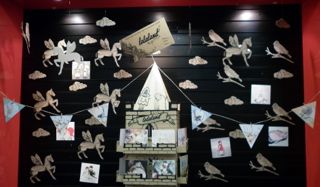
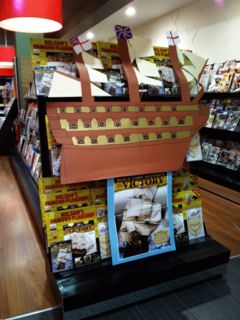
Create a shopfront look for your newsagency that looks nothing like a newsagency and see if your business attracts new traffic and comments from your traditional shopper traffic.
Seriously. Make the front of your shop look nothing like a newsagency.
Such a radical change is about several things:
- A fresh window through which people view your business.
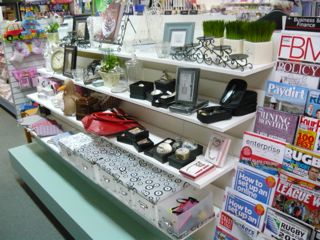
- A fresh look at the stock you sell as you chase non-newsagency lines with which to promote the business.
- A fresh approach to the look you give your business to your public.
- A shock to you and your team which will help you embrace and enjoy change.
Newsagencies are rooted in tradition and this can work against us in many retail situations. Yes, it is nice that we honour tradition y not changing but I think we lose more customers by not changing.
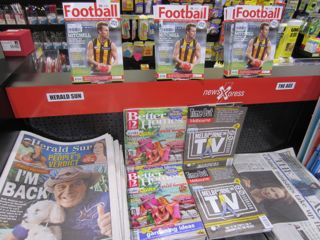
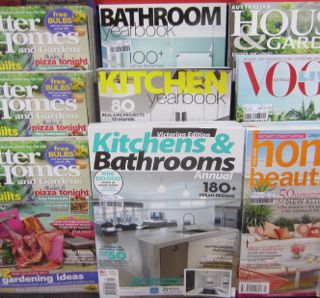
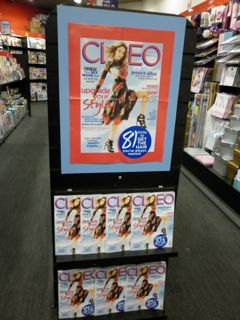
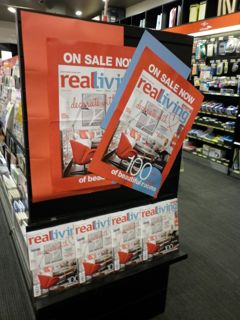
How many of you have magazine posters on the front window or in wire racks at the front of the shop? When I stopped promoting magazines in the window sales were not affected at all. I realised, years ago that I now had space to sue for more creative and profitable use.
So, my challenge to you is to go for a week or a month or more presenting the front of your business looking nothing like a newsagency. If you are not sure where to start, ask the youngest member of your team to undertake the project. Given them some time and a budget to find product with which to promote the business.
If we are to be relevant to today’s shopper we have to continue to evolve our look and appeal. This idea is about experimenting with that and breaking free from what is possibly an inhibiting tradition.